Vice Chancellor Engages Chemistry Students on Tuition Waivers, Research Drive and UB Transformation
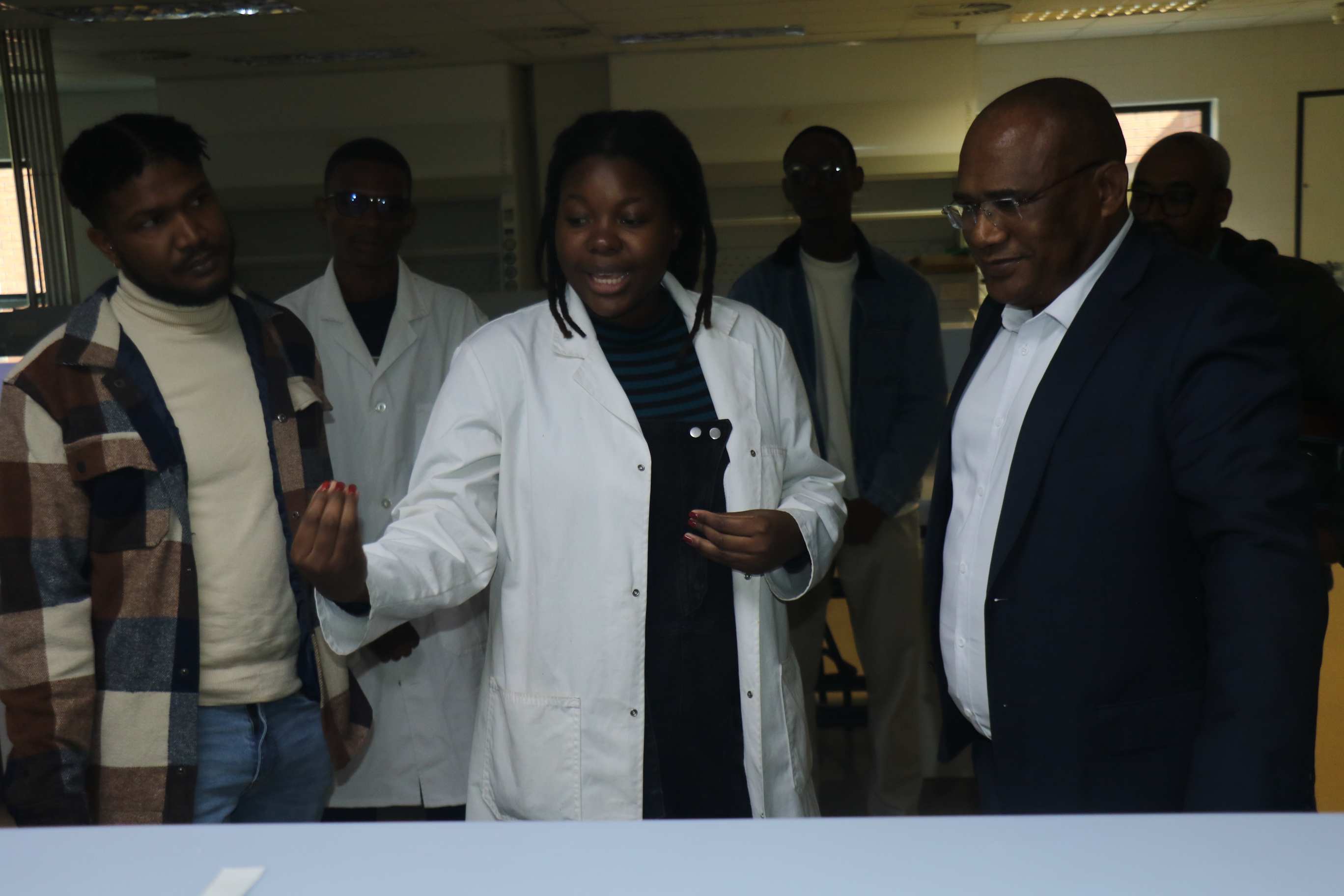 University of Botswana (UB) Vice Chancellor, Professor David Norris, recently engaged students from the Department of Chemistry in the Faculty of Natural and Applied Sciences on key institutional developments including the introduction of tuition waivers and the University’s transition into a High-Performance Organisation (HPO).
The engagement formed part of a broader visit to the Department which also included tours of the Scientific Glassblowing Unit and various laboratories to appreciate ongoing scientific innovation and research activities undertaken by students and academic staff.
Addressing the students, Professor Norris outlined the rationale behind the University’s migration into the HPO structure, emphasising the need for improved efficiency, enhanced service delivery and prudent utilisation of resources. He explained that the recently completed restructuring exercise was intended to position the institution for long-term sustainability while strengthening operational effectiveness across the University.
Professor Norris noted that the restructuring process was necessary for the institution’s continued growth and competitiveness. Reflecting on the state of productivity when he assumed office in 2017, he stressed that the HPO model was designed to foster excellence and accountability across all areas of the University’s operations.
The Vice Chancellor also highlighted the University’s growing focus on becoming a research-intensive institution and expanding opportunities available to both staff and students. In that regard, he announced the introduction of a 100 percent tuition waiver for PhD students and a 50 percent waiver for Master’s students, noting that the initiative was aimed at easing the financial burden on postgraduate students and strengthening research output.
Professor Norris further encouraged students to provide 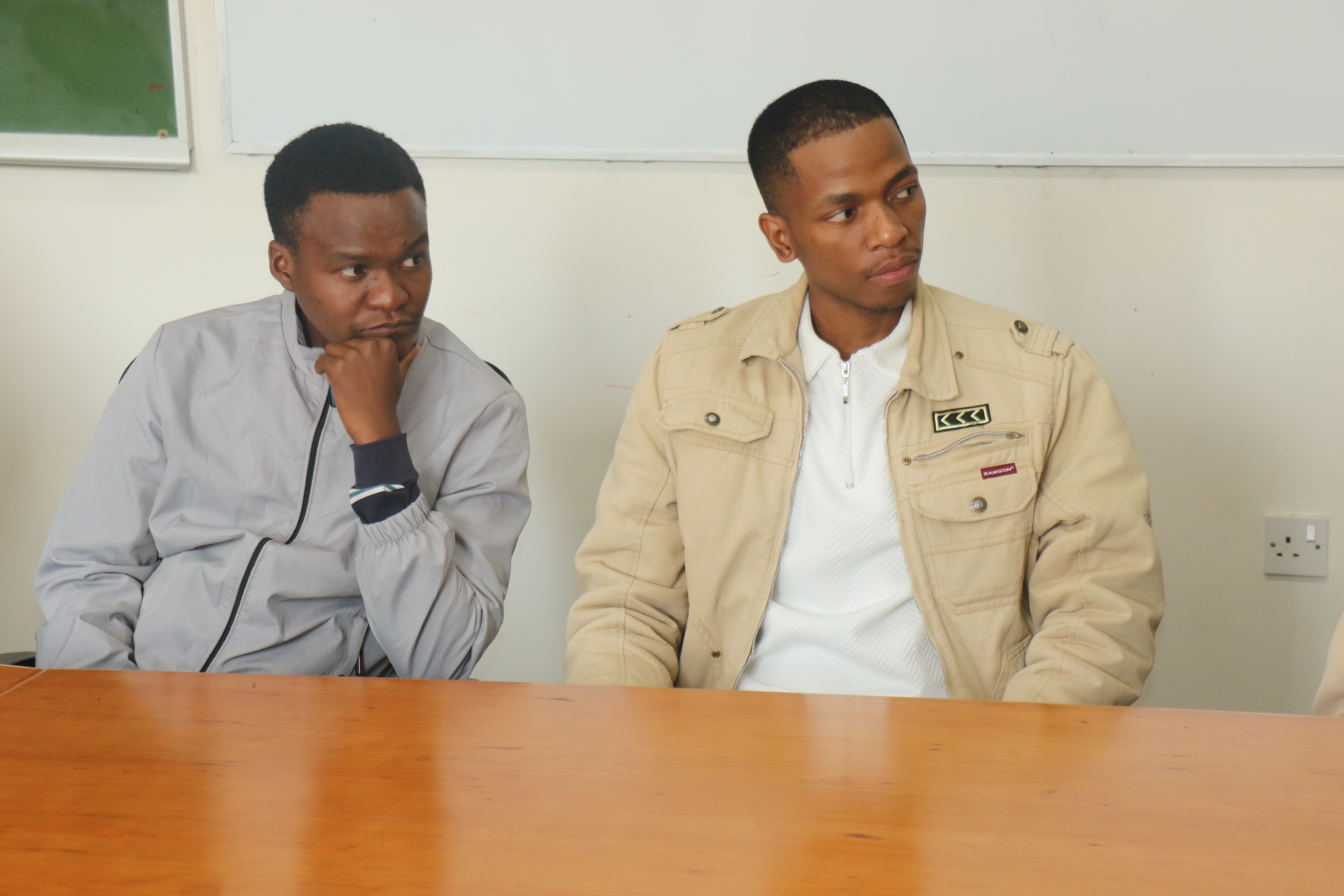 feedback and suggestions on how the waiver initiative could be implemented effectively and improved going forward to address any emerging challenges.
He explained that beneficiaries of the tuition waiver programme would, in return, be expected to contribute to the University through roles such as teaching assistants, research assistants or other duties to be determined on a case-by-case basis.
The meeting concluded with a tour of the Department’s Scientific Glassblowing Unit and laboratories where the Vice Chancellor was exposed to various scientific inventions, experiments and research projects being undertaken by students under the guidance of their lecturers and researchers.