University of Botswana Receives (Coprolite Specimen) Fossil for Further Research
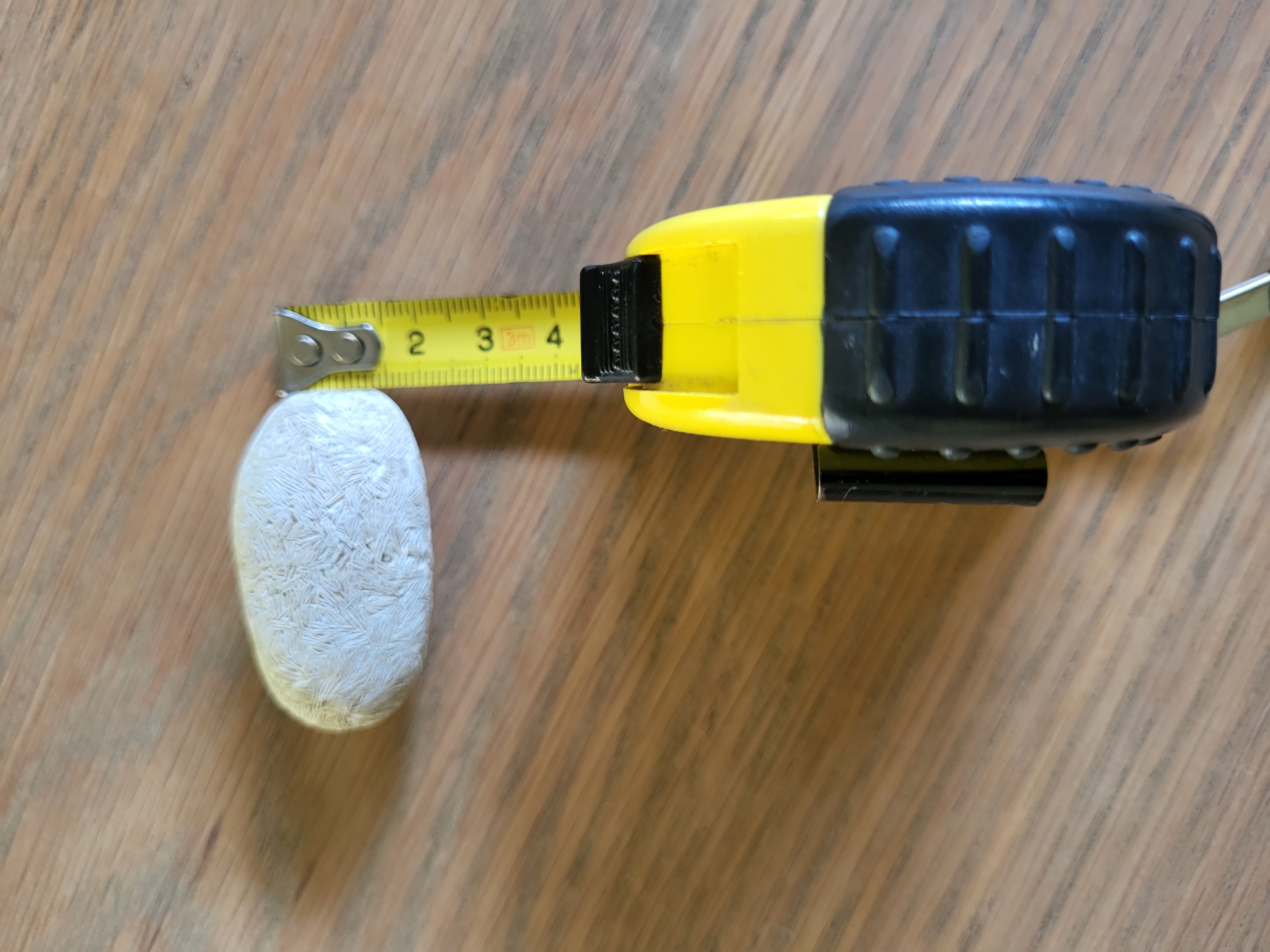 The University of Botswana (UB) Department of Archaeology and Museum Studies on the 5th of November 2026 received a (coprolite specimen) fossil donated by the Armstrong family, marking the return of an archaeological specimen that was first brought to the University approximately 20 years ago.
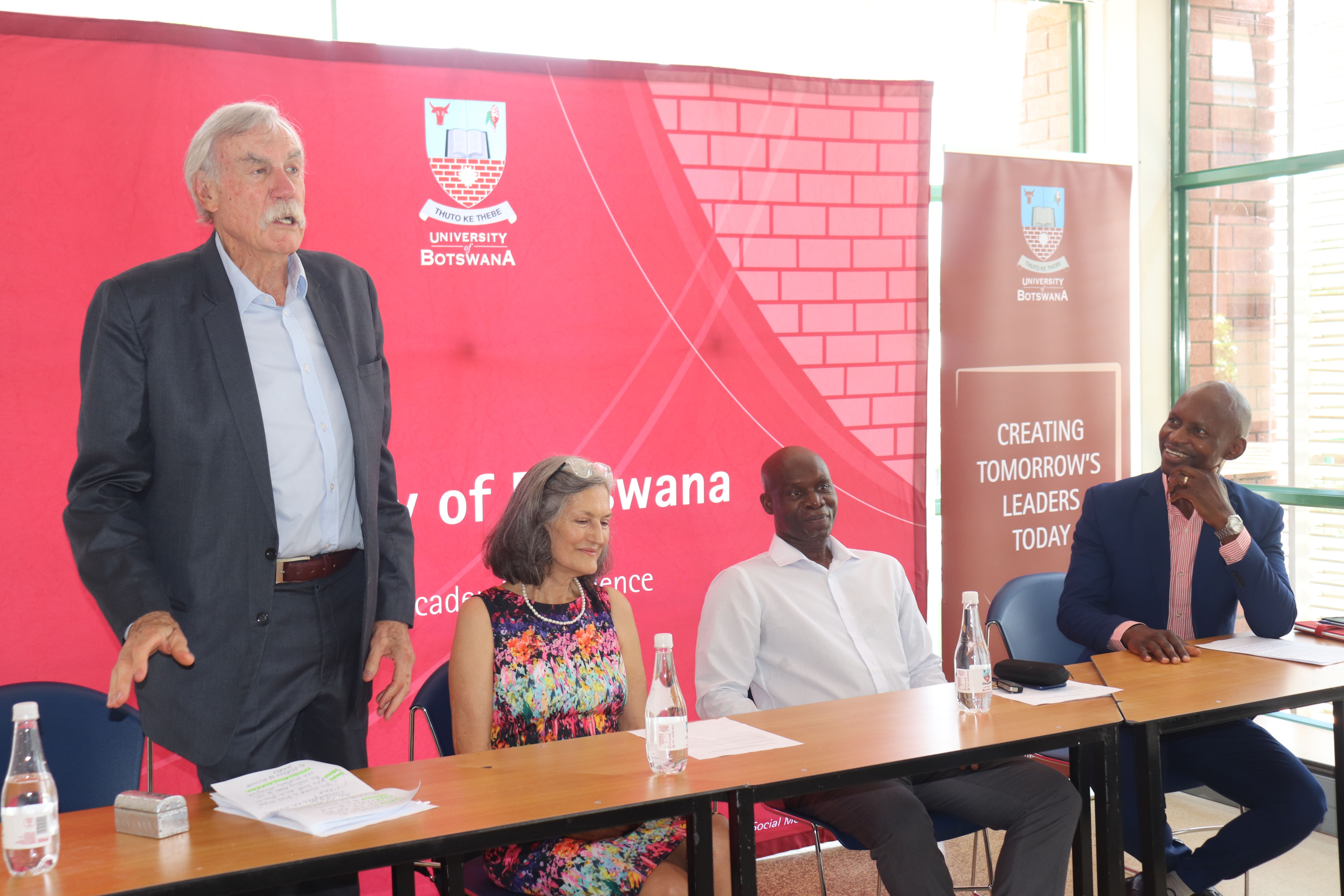
The specimen, which was formally handed over during a ceremony held at the Archaeology Foyer in Block 253, will not simply be preserved in storage. It will be used for further archaeological and scientific research, giving researchers an opportunity to investigate its significance and potentially generate new knowledge about the history and heritage of the Limpopo River region.
The handover represents an important contribution by the Armstrong family to preserving and advancing Botswana’s heritage. The Department of Archaeology and Museum Studies and the Faculty of Natural and Applied Sciences recognised the specimen as a valuable heritage asset that will help further understanding of the area's archaeology and reconstruct climate and environmental conditions.
The Chairperson of the Department of Archaeology and Museum Studies, Professor Morongwa Nancy Mosothwane, welcomed the handover of the fossil and highlighted the significance of the heritage being entrusted to the University. Dr Mosothwane noted that the Armstrong family was handing over a heritage asset that contributed to the country’s broader understanding of its past. She further emphasized that heritage extends beyond physical objects to include intangible heritage.
Executive Dean of the Faculty of Natural and Applied Sciences, Professor Sununguko Mpoloka, also expressed appreciation for the donation, noting the specimen's value to the University and its ongoing research agenda especially that it came from the Tuli Block area in the Shashe-Limpopo region where there was a rich archaeological footprint.
Botswana National Museum also participated through remarks from Mr. Sabokone, who represented the Director, reinforcing the importance of collaboration in preserving and advancing Botswana’s archaeological and cultural heritage.
The Armstrong family first found the specimen in 1998 on their property in the Limpopo River and Tuli Block area. According to Mrs Linda Armstrong and Mr Neil Armstrong, their interest was initially focused on the many archaeological features such as prehistoric round dagga foundations, lithic scatters associated with the Stone Age and many other features on their land.
 Their curiosity led them to engage with an archaeologist, Mr Biemond, who identified the archaeological structures and material objects. Among the discoveries were various stone wall enclosures and lithic remains, suggesting that tools had been made and used in the area. During this period of farm exploration while investigating the landscape, they discovered the coprolite specimen on elevated ground near the river. They sent it to the UB Faculty of Science to confirm whether it was a fossil and it was confirmed as a coprolite but was not investigated further. The specimen was returned to the farm and became part of a small museum established on the Armstrong property, used for tourism especially to educate young tourists about the region's prehistory, history and natural heritage.