University of Botswana Ready to Contribute to Sustainable Peace in DRC
 The University of Botswana (UB) has signalled its readiness to become an active partner in advancing sustainable peace in the Democratic Republic of Congo (DRC), leveraging its expertise in research, policy analysis, leadership development and civic engagement to support African Union (AU)-led peace efforts.
The University's commitment was articulated during a public lecture on The African Union-Led Peace Process for the Eastern Democratic Republic of Congo hosted by the Department of Political Science and Public Administration at the UB Hotel on the 25th of July 2026.
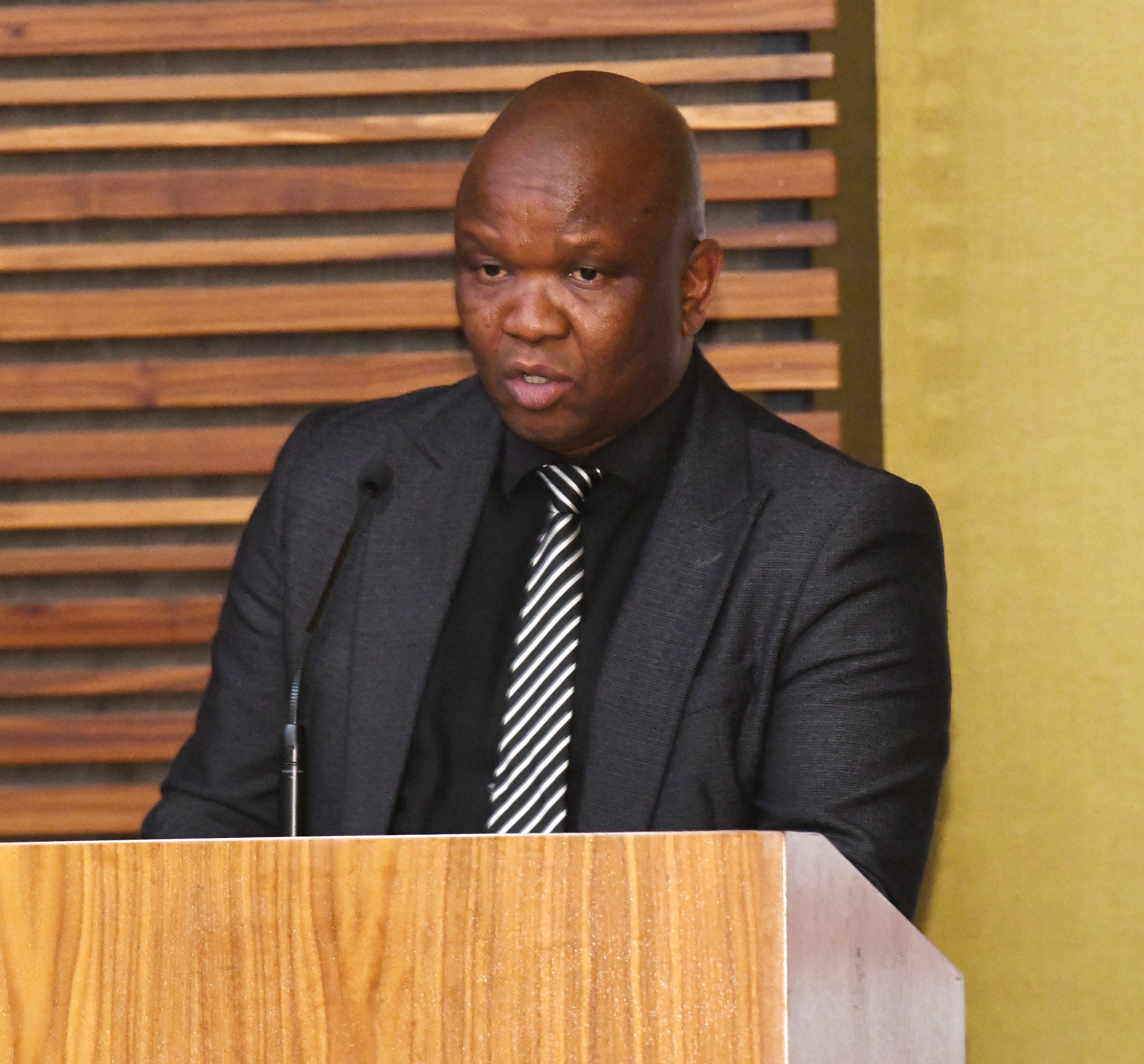
Representing Vice Chancellor, Professor David Norris, Executive Dean of the Faculty of Humanities, Education and Social Sciences, Professor Thapelo Otlogetswe, said the DRC remained central to Africa's future and prosperity, making the pursuit of peace not only a Congolese priority but a continental and global responsibility.
Professor Otlogetswe observed that universities had a unique role in addressing complex societal challenges by serving as impartial spaces where dialogue was encouraged, evidence was generated and innovative solutions were developed. He emphasised that research produced by institutions of higher learning should not remain confined to academia but inform policy, shape practical interventions and equip future leaders with the knowledge required to resolve pressing challenges.
Professor Otlogetswe explained that the University of Botswana was well positioned to contribute to peacebuilding by producing knowledge that informed conflict resolution, developing mediators and civic leaders and strengthening governance, reconciliation and education systems. He added that hosting the public lecture reflected the University's broader commitment to societal transformation, regional development and the advancement of peace across Africa.
Echoing these sentiments, Senior Lecturer in the Department of Political Science and Public Administration, Dr Kebapetswe Lotshwao, said the University's role extended beyond analysing conflict to actively contributing solutions. Dr Lotshwao noted that institutions of higher learning had a responsibility to generate research that was both academically rigorous and directly relevant to policymaking while preparing graduates capable of responding to Africa's governance and development challenges.
He proposed that the University establish a DRC Peace and Governance Research Cluster to undertake multidisciplinary research on conflict prevention, mediation and post-conflict reconstruction. He further suggested strengthening collaboration with SADC, AU institutions and universities in the DRC through joint research projects, policy dialogues and academic exchanges.
Dr Lotshwao also proposed specialised training programmes for mediators, diplomats, journalists and civil society organisations, alongside the publication of policy briefs on ceasefire monitoring, inclusive dialogue and post-conflict recovery. Such initiatives, he said, would enable the University to make practical contributions to regional peacebuilding while strengthening Africa's institutional capacity for conflict resolution.
He observed that universities occupied a unique position in peace processes because they were trusted institutions capable of fostering evidence-based debate, critical reflection and long-term capacity development. Such strengths, he said, were indispensable as regional leaders pursued durable peace in eastern DRC.
The public lecture brought together members of the African Union Panel of Facilitators, who are in Gaborone for a three-day meeting to chart pathways towards ending the conflict in eastern DRC. The distinguished panel comprised former 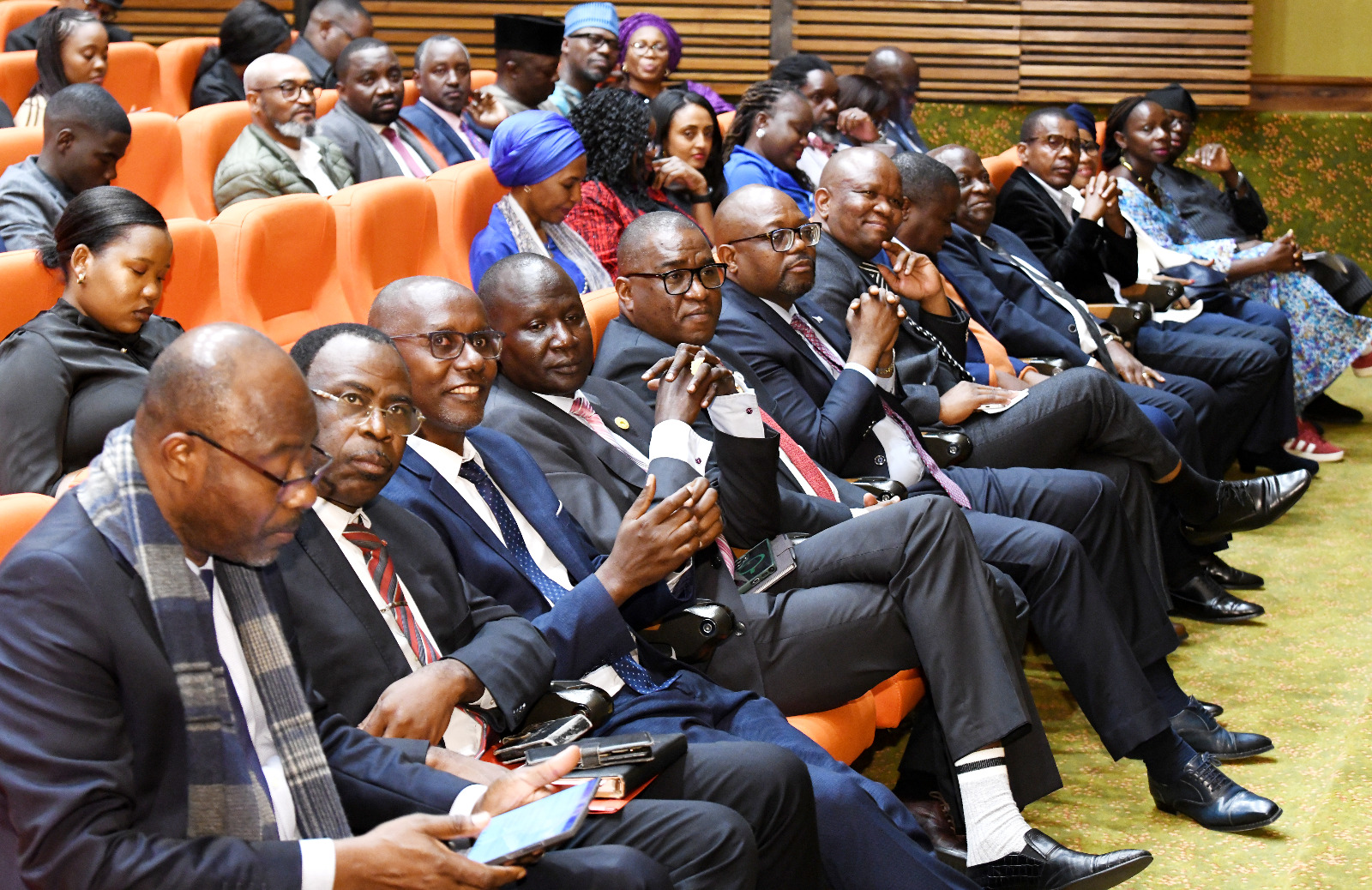 President of Botswana, Dr Mokgweetsi Masisi, former President of Nigeria, His Excellency Olusegun Obasanjo, former President of the Central African Republic, Her Excellency Catherine Samba-Panza and former President of Ethiopia, Her Excellency Sahle-Work Zewde. The discussion was moderated by Dr Gladys Mokhawa of the Department of Political Science and Public Administration.
The lecture provided a platform for meaningful engagement between policymakers, diplomats, academics and students, reinforcing the important role universities could play in generating ideas, shaping policy and building the human capital needed to sustain peace on the African continent.