UBWECS Leads New Eco‑Plus Initiative to Empower Young Environmental Stewards
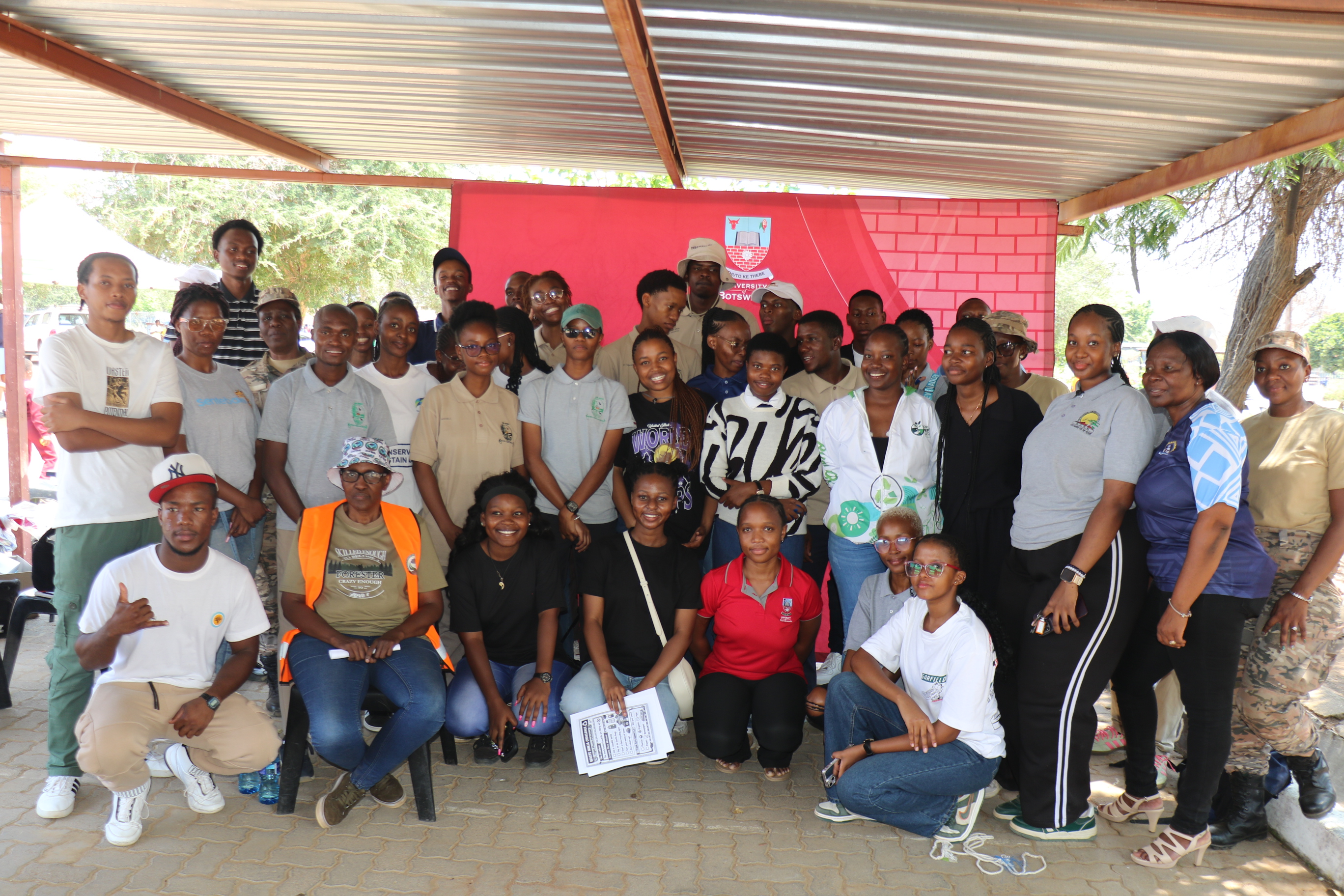 The University of Botswana Wildlife and Environmental Club Society (UBWECS) officially launched the Eco‑Plus Environmental Education Club at Kgale Hill Junior Community School on the 20th of February 2026. The initiative is designed to empower learners with the knowledge, skills and passion needed to play an active role in protecting and preserving the environment.
The Eco-Plus Club promotes hands-on experiential learning that enables students to engage directly with environmental issues through activities such as tree planting, wildlife appreciation sessions, recycling projects, waste‑management education and water‑conservation campaigns. By participating in these practical projects, learners develop not only environmental awareness but also leadership, responsibility and problem‑solving skills.
The launch was made possible through a collaboration between UBWECS and several committed environmental partners including Baisago Conserve to Sustain Club, Mosepele Green Foundation, Waste Worx, Mokolodi Nature Reserve, Green Botswana Trust, Department of Forestry and Department of Wildlife and National Parks. Their combined expertise and resources strengthened the programme and highlight the importance of community partnerships in advancing sustainable development.
Introduced during a vibrant and energetic school assembly, the Eco‑Plus Club aims to inspire and motivate young people to become environmental champions within their school and communities. The programme encourages learners to appreciate Botswana’s natural heritage, understand current ecological challenges and take meaningful action towards building a greener and more sustainable future.
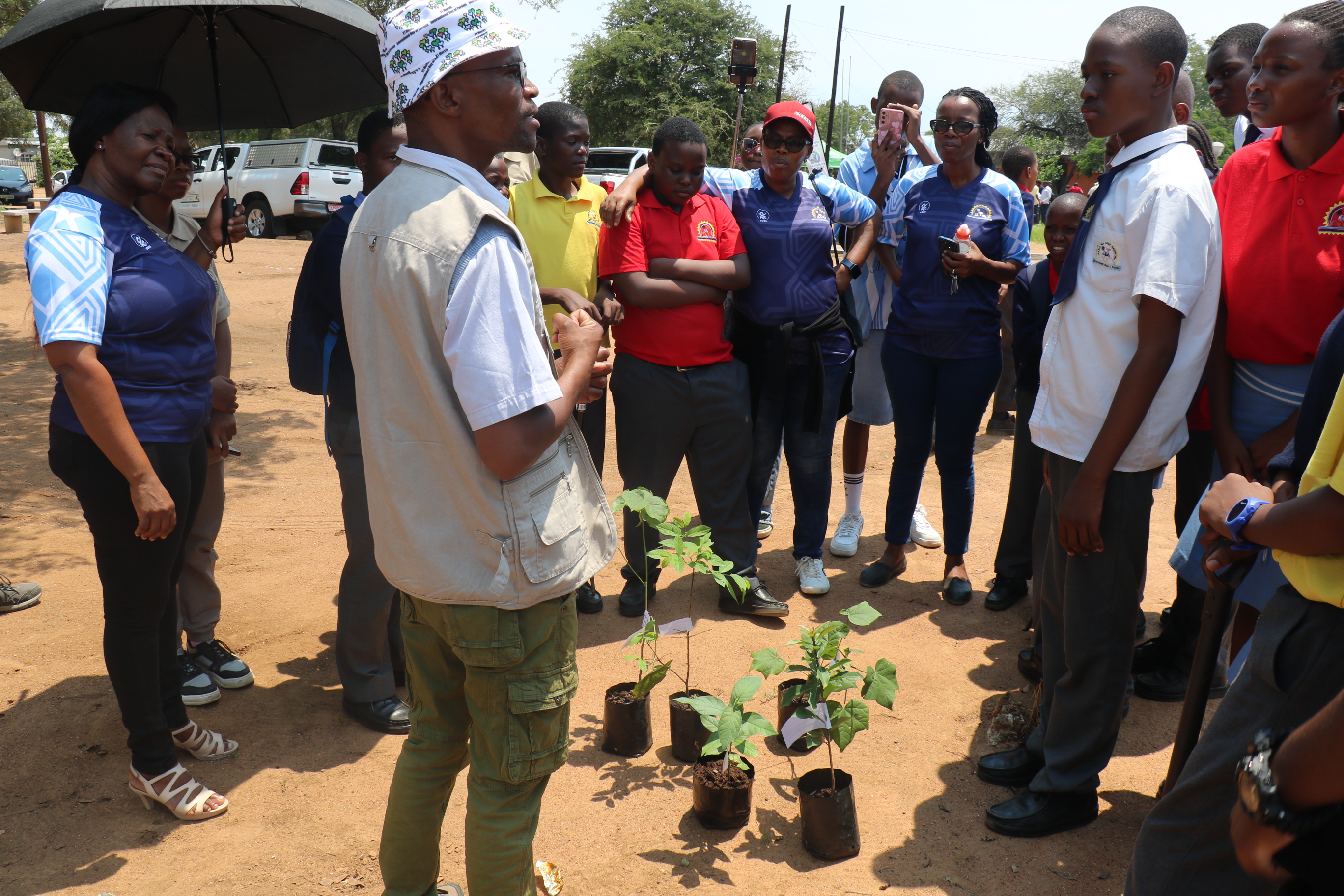 UBWECKS President, Mr Elliott Sonny, stated that the Eco‑Plus Club, launched by UBWECS and partners, aimed to develop young environmental leaders by providing learners with experiential learning opportunities that promote sustainability and stewardship.
Meanwhile, Kgale Hill Community Junior Secondary School Head, Mr Dommi Motlhanka, described the initiative as a milestone. “We want our learners to understand that protecting the environment starts with small actions,” he said. He added that by nurturing such values now, would shape responsible citizens for the future.