UBSRC Leads Dialogue on Gender-Based Violence to Promote Safer Spaces and Zero Tolerance
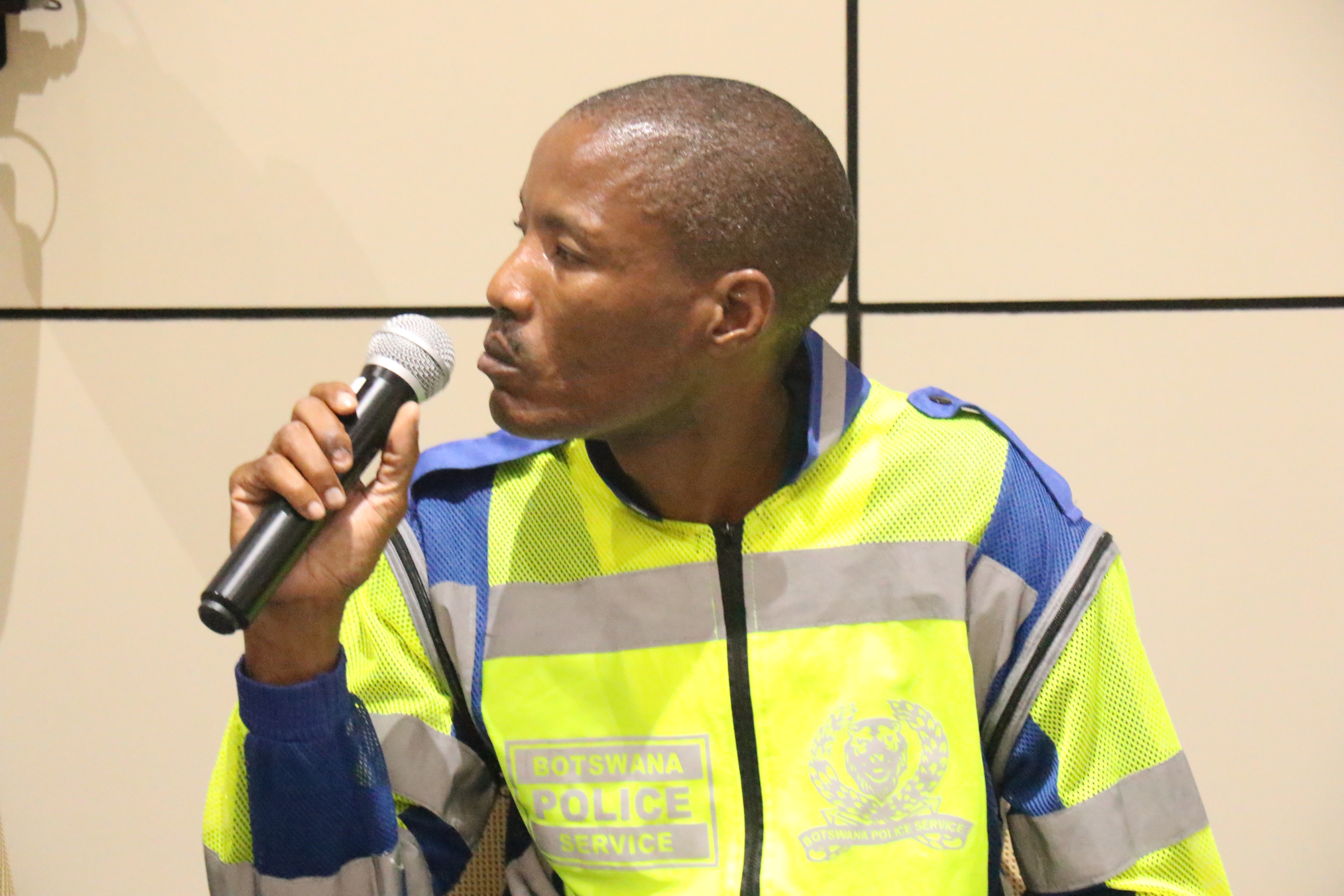
 The University of Botswana Student Representative Council (UBSRC) recently convened a dialogue on gender-based violence (GBV) under the theme “Breaking the Silence: Making the University a Safer Space.” The discussion brought together members of the UB community, civil society activists and other stakeholders to reflect on the growing concern around GBV and explore practical ways to address the challenge.
Gender-based violence has increasingly become a matter of national concern, prompting urgent conversations about its root causes, accountability and possible solutions. The dialogue provided a platform for participants to engage in open discussions on how universities and communities can work together to promote awareness, strengthen prevention efforts and foster a culture of zero tolerance towards abuse.
UBSRC President, Mr Topo Kwena, underlined the importance of collective responsibility in addressing GBV. Speaking during the event, he said observing Women’s Month should go beyond celebration and instead reaffirm society’s commitment to dignity, safety and respect for all.
“As we observe Women’s Month and celebrate women’s achievements, true recognition lies in building a society where women and indeed every human being, can live, learn and exist in dignity, safety and respect,” he said.
Reflecting on the theme of the dialogue, Mr Kwena drew inspiration from the late Archbishop Desmond Tutu, noting that silence in the face of injustice perpetuates harm. “GBV does not survive because of perpetrators alone. It survives through silence. When such violence enters the university space, it strikes at the heart of what the institution represents, a sanctuary of ideas, learning and aspirations. We must therefore confront and defeat this silence,” he observed.
Founder, author and GBV survivor, Ms Kemoneilwe Mpinang, also addressed the gathering, sharing her personal journey of overcoming abuse. She encouraged survivors to speak out and seek help, stressing that doing so was a sign of strength rather than weakness.
“Speaking out and seeking help is not weakness but strength. I empowered myself the day I chose to speak about the challenges I faced,” she noted. Ms Mpinang explained that transforming her experience into advocacy inspired the creation of the Reabua Foundation, an initiative dedicated to supporting survivors through counselling, mental health support and education on healthy relationships.
 “Healing takes time, support and self-compassion,” she added. “It began when I stopped blaming myself and accepted that I was not at fault. GBV thrives in silence and it ends when communities stand together.”
Closing the dialogue, UBSRC Secretary-General, Mr Eric Obonye Mogapi, urged participants to move beyond awareness and take meaningful action against GBV.
“Tackling gender-based violence requires the commitment of every individual. We must continue breaking the silence and actively work towards building a society that rejects abuse in all its forms,” he said.
Mr. Mogapi further encouraged students and members of the UB Community to remain steadfast in supporting survivors and promoting a culture of zero tolerance towards gender-based violence both on campus and beyond.