UBASSU Marks International Women’s Day with Call for Rights, Justice and Action
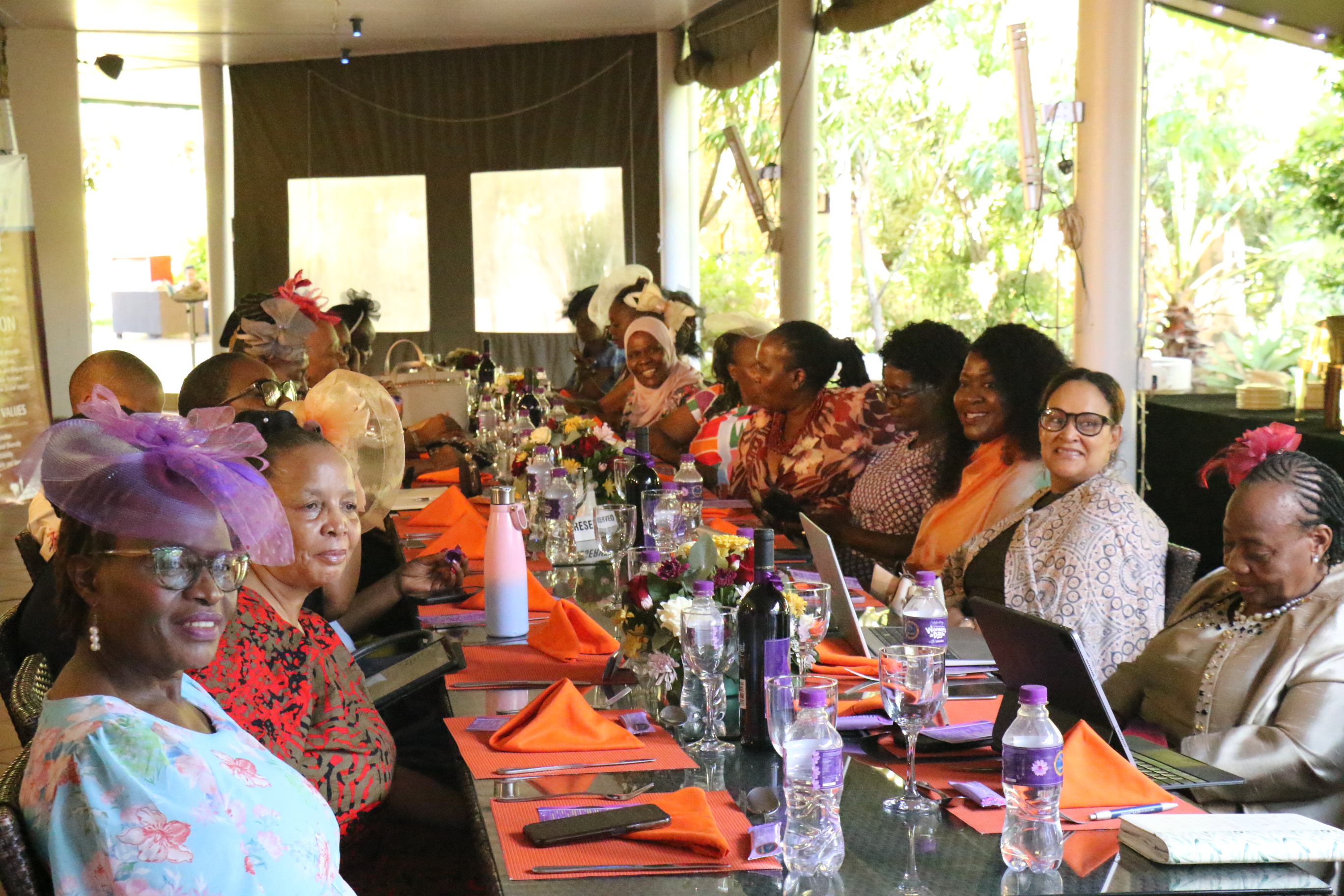 The University of Botswana Academic and Support Staff Union (UBASSU) commemorated International Women’s Day with a strong call for deliberate action to advance the rights, dignity and empowerment of women and girls.
Held under the theme “Rights, Justice and Action for All Women and Girls,” the celebration brought together union members and invited speakers from academia, government and regulatory institutions to reflect on progress made and the work that still lies ahead in achieving gender equality.
Opening the event, UBASSU Vice President, Mrs Lynn Jibril, said the union was proud to join the global community in celebrating the strength, resilience and invaluable contribution of women. She noted that the gathering reflected a shared commitment to advancing the rights, dignity and empowerment of women and girls in society and the workplace.
Delivering the keynote address, Professor Rebecca Lekoko, a senior lecturer in Adult Education and Adjunct Dean of Academic Affairs at the Botswana Defence Force Command and Staff College, underscored the need to move beyond rhetoric and act meaningfully on the theme. Professor Lekoko called for safer and more inclusive working environments, equal opportunities for career progression and fair wages for women. She also underscored the importance of promoting gender-sensitive pedagogies, creating supportive institutional spaces and encouraging solidarity among women through networking and shared experiences. She said more still needed to be done to combat gender-based violence, sexual harassment and systemic cultures of unfairness in organisations.
Also speaking at the event, Non-Bank Financial Institutions Regulatory Authority (NBFIRA) Director of Capital Markets, Mrs Julianna White, highlighted the importance of solidarity in advancing women’s rights. Mrs White said the women’s rights movement had played a significant role in promoting democracy, justice, economic liberation and social progress but added that sustained action was still required. She called for deliberate efforts to mentor young women, build inclusive organisational structures and create more leadership opportunities for women. She also urged society to reject stereotypes, bias and discrimination in all their forms.
Botswana Police Service Director of Gender and Child Protection, Senior Assistant Commissioner of Police, Mrs Goitseone Ngono, shared insights on measures being taken to strengthen the response to gender-based violence. She said the Police Service had prioritised support for victims through dedicated officers, improved infrastructure and accessible services across the country. She further noted that collaboration with external stakeholders remained important in ensuring justice and protection for victims. Mrs Ngono urged communities not to remain silent in the face of abuse but instead to be informed and support one another.
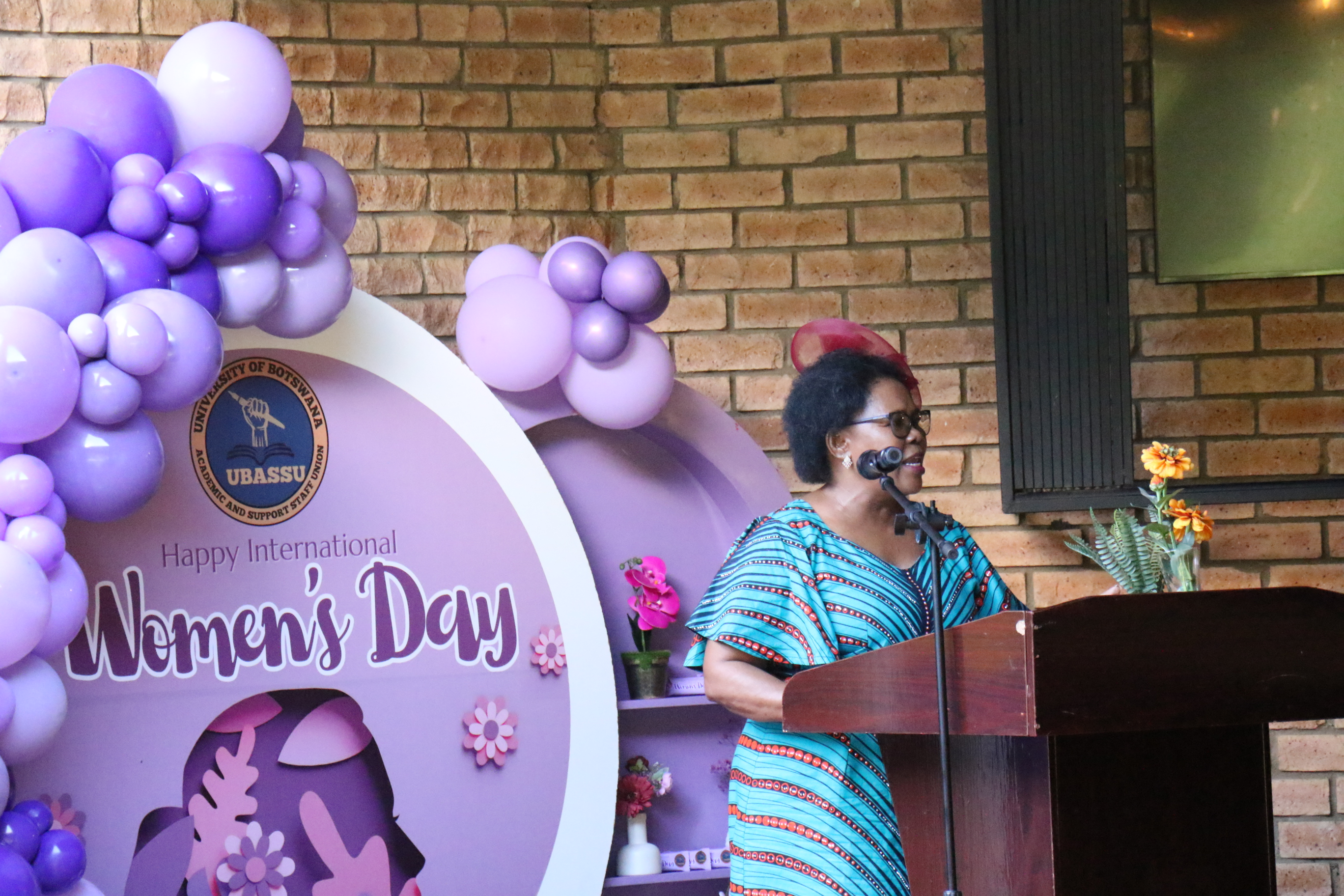 For her part, National Council on Population and Development Chairperson, Mrs Irene Kwape, emphasised the need for deep and lasting institutional change. She said rights and justice for women and girls should not remain theoretical ideals but must be embedded in organisational culture, governance systems and equity frameworks. While acknowledging Botswana’s progress through legal reforms, educational investment and expanded health services, she noted that significant gaps still remained.
UB Biomedical Lecturer, Dr Keneilwe Mmopi, also called for collective responsibility in promoting equality and empowerment. She said rights and justice were not merely slogans but obligations that required commitment from everyone, including men as allies in the struggle for equality. Dr Mmopi added that unions such as UBASSU had an important role to play in championing women’s advancement and ensuring that no voice was unheard and no injustice overlooked.