UB urged to drive national transformation through innovation, research and inclusive leadership
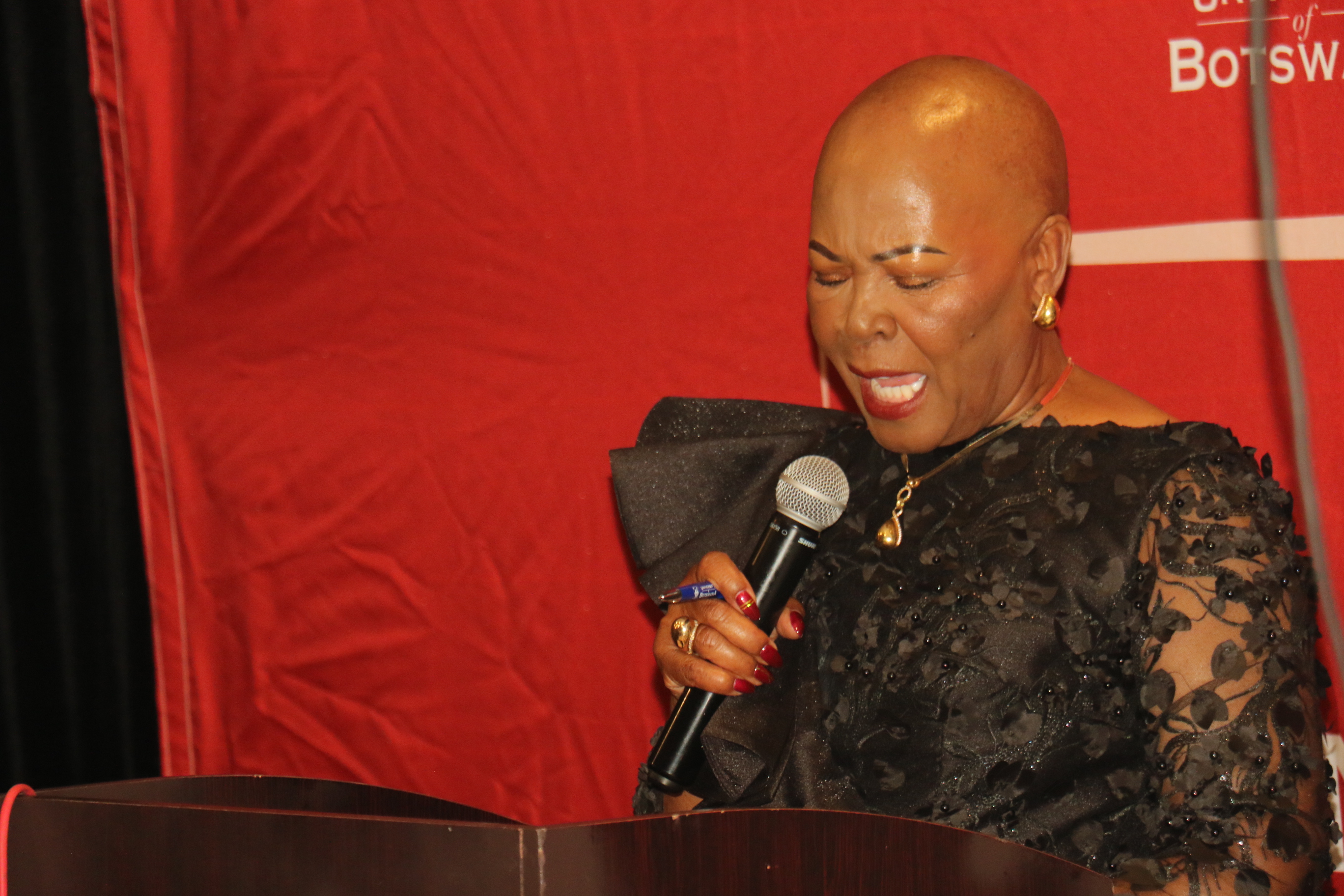 The University of Botswana has been urged to strengthen its role in shaping Botswana's development through ambitious research, innovation, entrepreneurship and intellectual leadership, saying universities must prepare society for the future instead of simply preserving the past. The call was made by the former Chancellor of the University of Botswana (UB), Ms Tebelelo Mazile Seretse at her farewell dinner held in Gaborone on the 19th of November 2026.
Delivering her farewell address, Ms Seretse said the UB was established at a defining moment in Botswana's history with education envisioned as the foundation for building an independent, confident and prosperous nation. She maintained that that responsibility had not diminished but had become even greater in the face of profound global changes.
Ms Seretse pointed to artificial intelligence, technological advancement, climate change, shifting economic powers and changing labour markets as forces reshaping how nations competed and prospered, arguing that Botswana could not afford to remain a spectator in that transformation.
She called for a University that was more deeply connected to industry, ambitious in its research, entrepreneurial in its thinking and influential in shaping public policy. She said UB should produce graduates who went beyond seeking employment to creating industries, solving problems, developing technologies and contributing to the competitiveness of the economy.
“Our University must not simply respond to national development priorities; it must help define and shape them,” she said.
Ms Seretse identified economic reform as an area in which the University should take a more prominent role in national discourse particularly as Botswana confronted the need to diversify its productive base, address unemployment and build a more resilient economy. She urged the institution to use its research expertise and intellectual capacity to help Government, the private sector and civil society develop evidence-based solutions to national challenges.
Further, she called for a University that was bold enough to challenge conventional thinking, independent enough to question policy and innovative enough to propose practical alternatives. In that regard, she expressed the expectation that UB's guided advice should inform key national processes especially the State of the Nation Address (SONA) and the national budget.
On social equality and institutional transformation, the outgoing Chancellor called for greater representation of women in the University's senior leadership structures. She said the institution should demonstrate through its own practices the principles of equality, inclusion and transformation that it advocated in society.
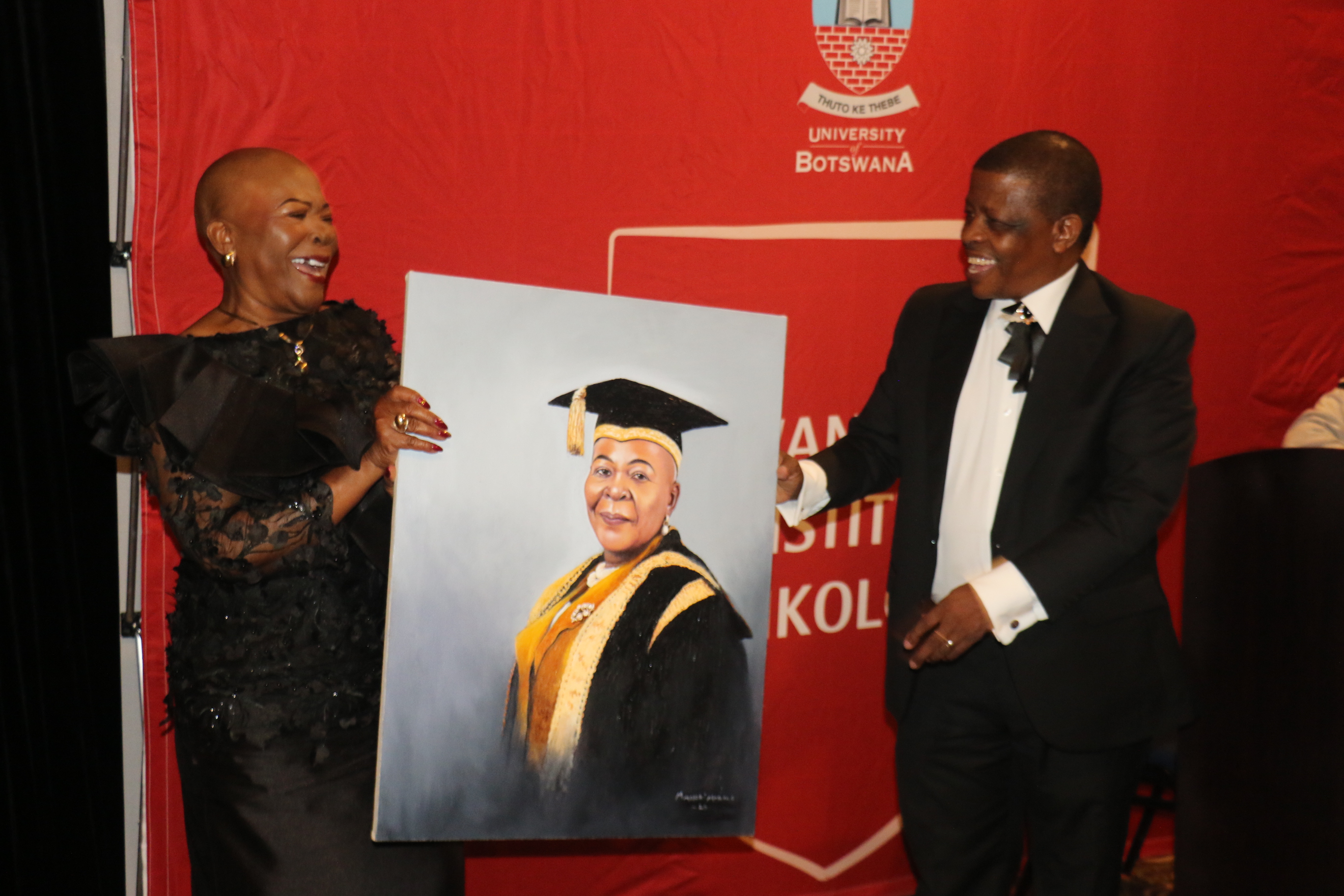 “Women must not only be present in the lecture theatres, research laboratories and administrative offices. They must also be represented where strategic decisions are made, where institutional priorities are determined and where the future of the University is shaped,” she said.
She emphasised that women's representation was not merely a matter of gender balance but also of leadership, institutional strength and making full use of the talent available to the nation. She urged the University to be deliberate in mentoring and promoting women into positions of influence, expressing concern that progress in that area remained insufficient.