UB Showcases Heritage-Rooted Design Innovation with Oodi Weavers
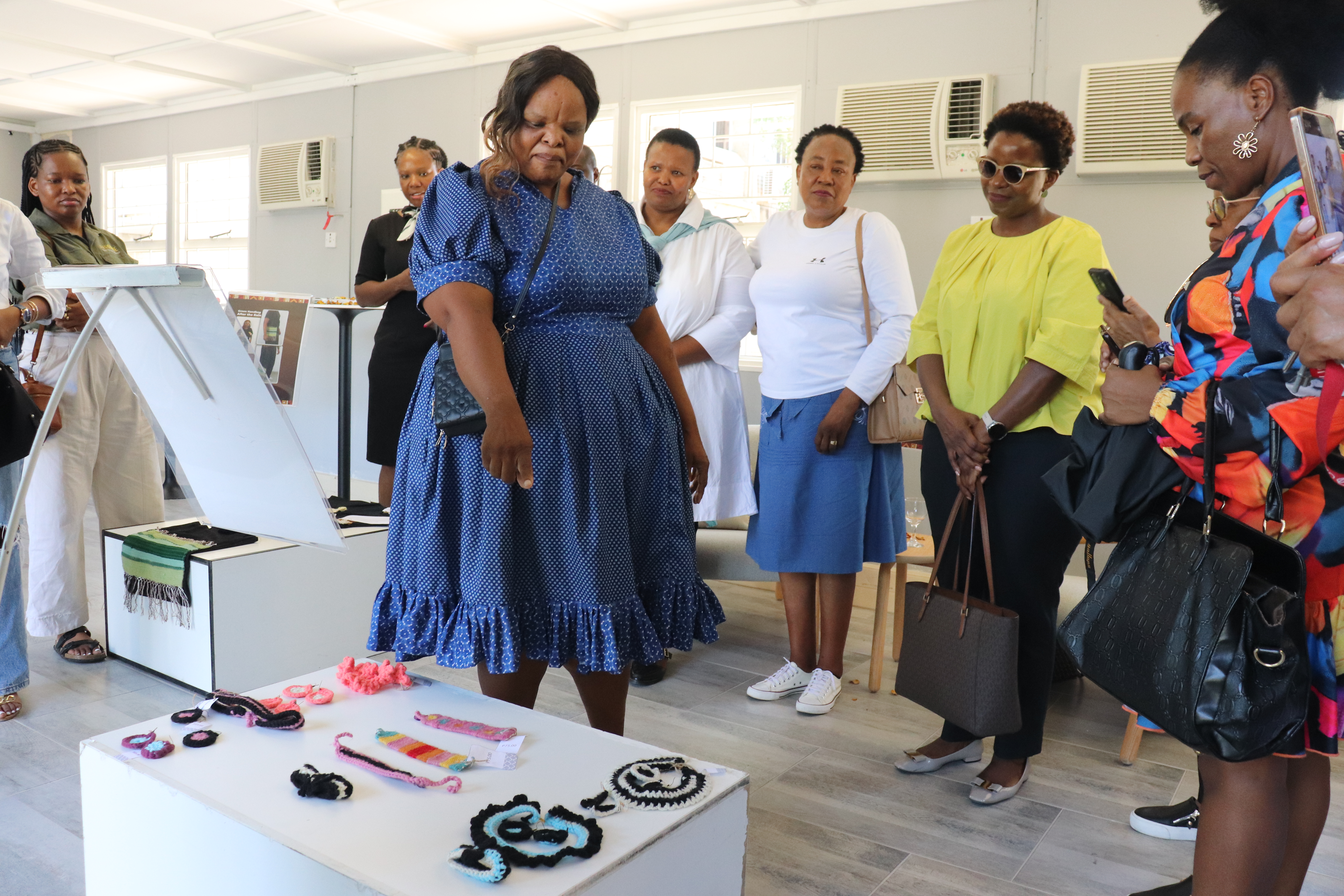 University of Botswana (UB) recently hosted a vibrant exhibition celebrating innovation deeply rooted in heritage as UB Design Lecturer, Dr Keiphe Nani Setlhatlhanyo, from the Department of Industrial Design and Technology unveiled The Oodi Weavers’ Tapestry: Weaving Tradition into the Future.
The exhibition highlighted a transformative collaboration that reimagines traditional craftsmanship for contemporary markets, demonstrating that heritage is not a static relic of the past but a living and evolving practice capable of adapting to modern economic opportunities.
Dr Setlhatlhanyo initiated the project after receiving the Commonwealth Scholarship Commission Alumni Community Engagement Fund (ACEF) in September 2025. Through the grant, she partnered with the renowned Oodi Weavers, recognising the group as custodians of a unique living heritage embedded in craftsmanship passed down through generations.
Speaking at the event, UNiPOD Business Development Officer, Ms Mavis Modise, highlighted the opportunities that such collaborations created for artisans. She noted that UNiPOD, as part of the United Nations Development Programme (UNDP) flagship Timbuktoo Initiative, provided a platform for artisans and innovators to access wider markets across the continent.
“The UNiPOD offers opportunities for the weavers to tap into Africa-wide markets through partnerships with pipeline agencies, enabling them to leapfrog their products into diverse markets beyond Botswana,” said Ms Modise. She added that the hub also provided access to key resources such as technical training, infrastructure, financial planning support, business literacy programmes and potential funding opportunities.
Dr Setlhatlhanyo explained that the initiative brought together a diverse group of participants from Oodi and Matebeleng villages as well as Modipane, working alongside former Industrial Design students from UB. The project adopted a design thinking and human-centred approach, positioning the weavers and community members as active co-creators in the process.
“This was a shared learning journey that blended storytelling, technical experimentation and entrepreneurship,” she said. “Participants were engaged through a deliberate three-phase strategy designed to build trust, foster new skills and connect artisans with emerging opportunities.”
Through the process, participants brainstormed new product categories and experimented with contemporary colour palettes and materials such as merino wool. They also revived dormant skills, including crochet while exploring hybrid techniques that blend tapestry with woodcraft to produce fashion accessories, home décor pieces and unique bookmarks. Importantly, Dr Setlhatlhanyo noted that the project framed innovation not as a replacement for tradition but as an expansion of it.
“Alongside creative experimentation, the initiative integrated entrepreneurial training, equipping weavers and youth with practical skills in costing, pricing and market identification,” she said. “These skills are essential for strengthening their resilience and competitiveness in the modern design economy.”
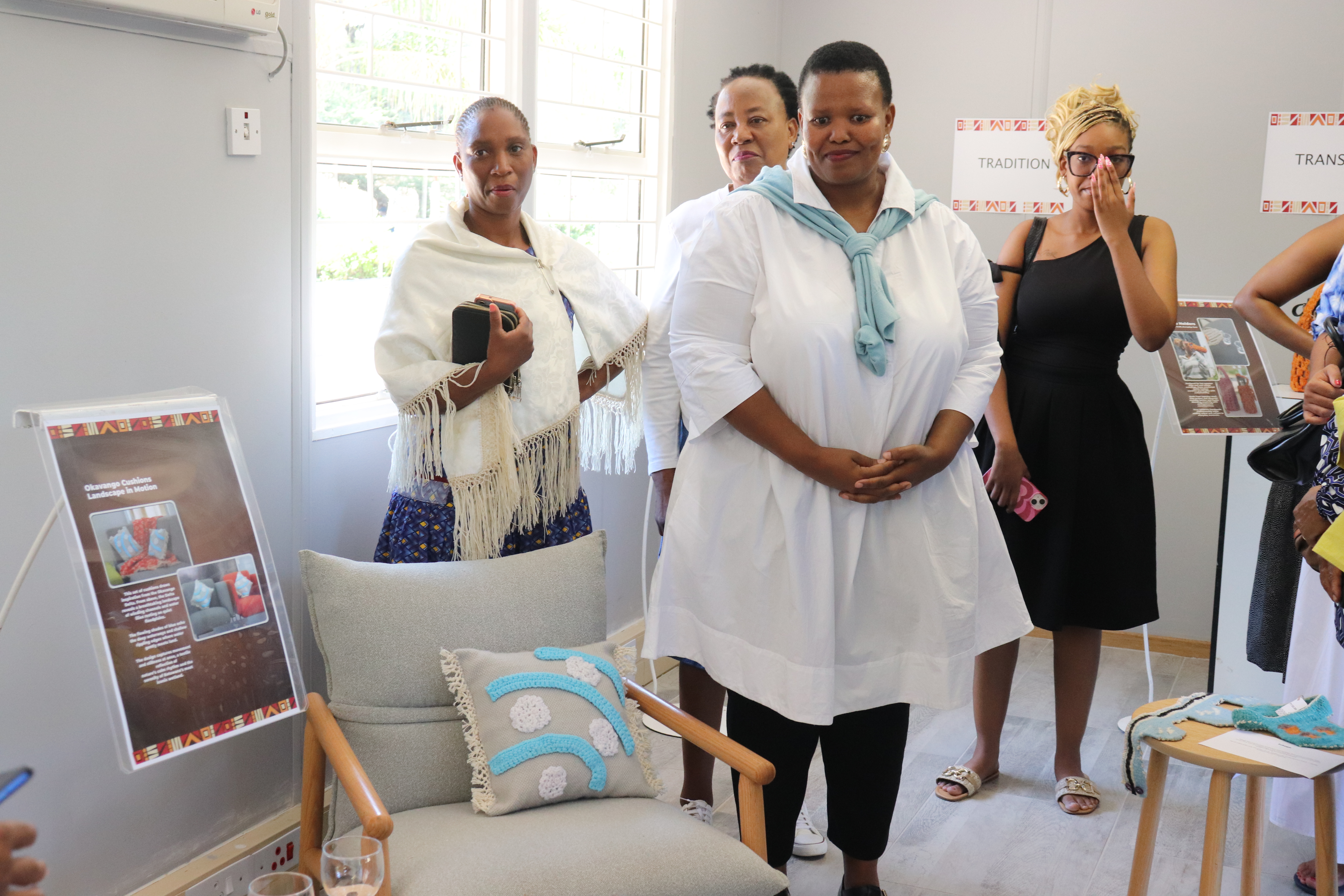 Also speaking at the event, British High Commission Policy and Programmes Officer and Communications Lead, Mrs Bonolo Mogowe, highlighted the global recognition already enjoyed by Botswana’s tapestry tradition. She noted that examples of Oodi tapestry were displayed at Buckingham Palace, reflecting the international appreciation of Botswana’s craft heritage. Mrs Mogowe also pointed to emerging export opportunities through the Economic Partnership Agreement between the United Kingdom and Southern African countries.
“This agreement presents an opportunity for the Oodi weavers to access international markets. It is worth exploring as it can facilitate and expand their business,” she said, adding that the initiative represented a legacy project from which the world can learn.