UB Strengthens Procurement Knowledge And Compliance Through Staff Training
 The University of Botswana (UB) continues to strengthen public procurement knowledge and compliance among its staff through targeted capacity-building initiatives aimed at improving procurement planning, operational efficiency and adherence to public procurement requirements.
The Department of Procurement Oversight in collaboration with the Public Procurement Regulatory Authority (PPRA), conducted an Integrated Training Module on 4 November 2026 at the University Council Chamber. The training brought together staff from various University departments and sections involved in procurement-related activities.
The programme covered key areas of public procurement including preparation of tender documents, procurement planning and methods of procurement. Through presentations and interactive discussions, the PPRA training team provided participants with insights into procurement procedures, regulatory requirements and the importance of compliance in public institutions.
The training also outlined the operational structure of the University's Public Procurement Team, emphasising the principles of transparency, accountability, fairness and value for money that underpin effective procurement management.
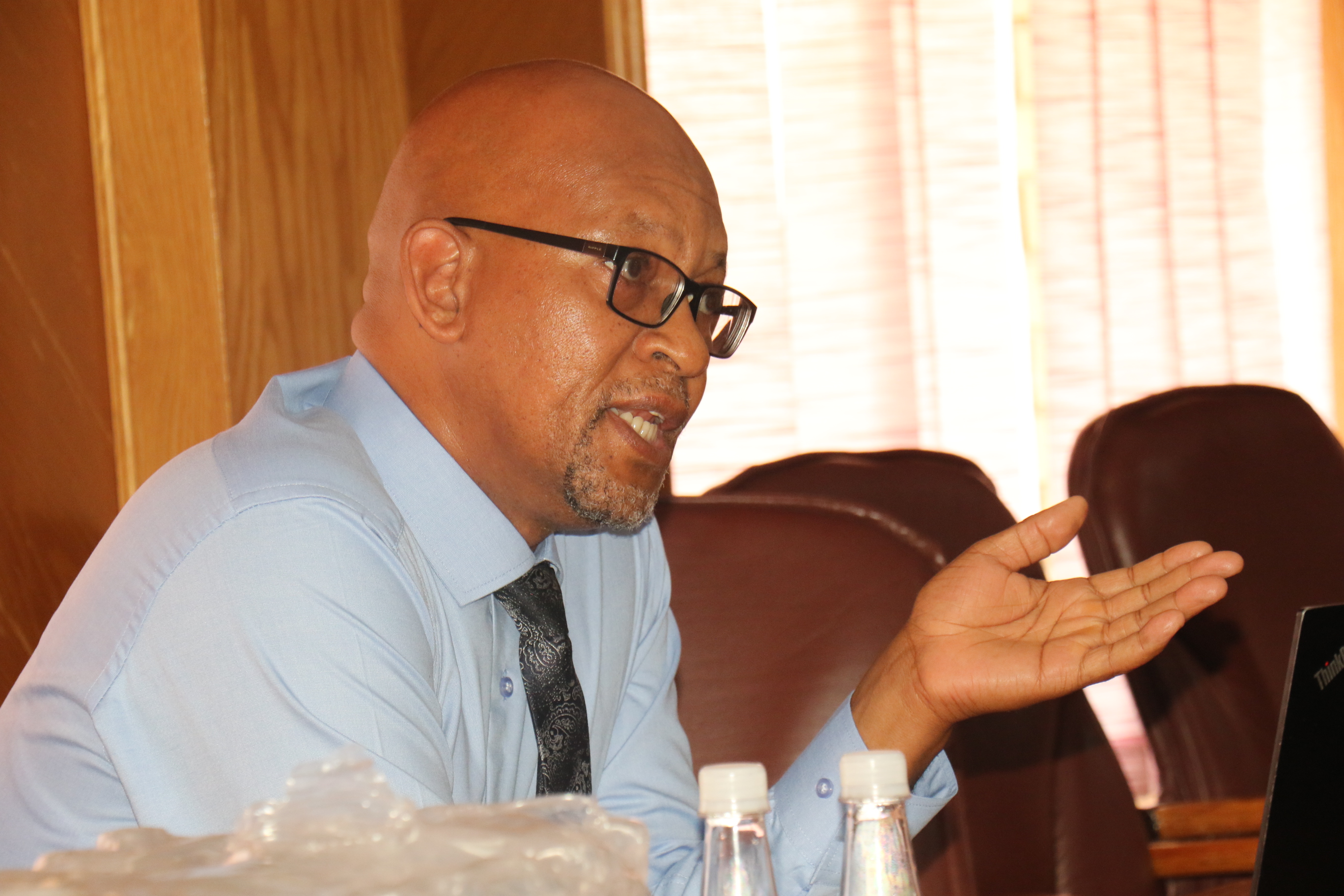
Speaking during the training, PPRA Procurement Manager, Mr Lefoko Ramoatlhodi, underscored the importance of a sound procurement system in promoting competition, transparency, objectivity, equity and efficiency. He also highlighted PPRA's role in developing systems, processes and procedures that uphold these principles and promote international best practice in public procurement.
Mr Ramoatlhodi further emphasised that selecting an appropriate procurement method required consideration of the nature, complexity, value and urgency of the requirement while ensuring compliance with the applicable procurement framework. Methods discussed included open competitive bidding and restricted or selective bidding, among others.
 The training also underscored the need for continuous staff sensitisation on procurement procedures and institutional requirements. Particular attention was drawn to the timely submission of procurement requisitions by user departments to facilitate effective planning and processing.
Participants were encouraged to apply the knowledge and skills acquired in their respective areas of responsibility, contributing to more efficient procurement operations and stronger institutional compliance.
The initiative forms part of the University's efforts to strengthen internal capacity and promote sound procurement practices in support of effective institutional operations.