UB Special Education Students Drive Inclusive Learning Through Community-Based Projects
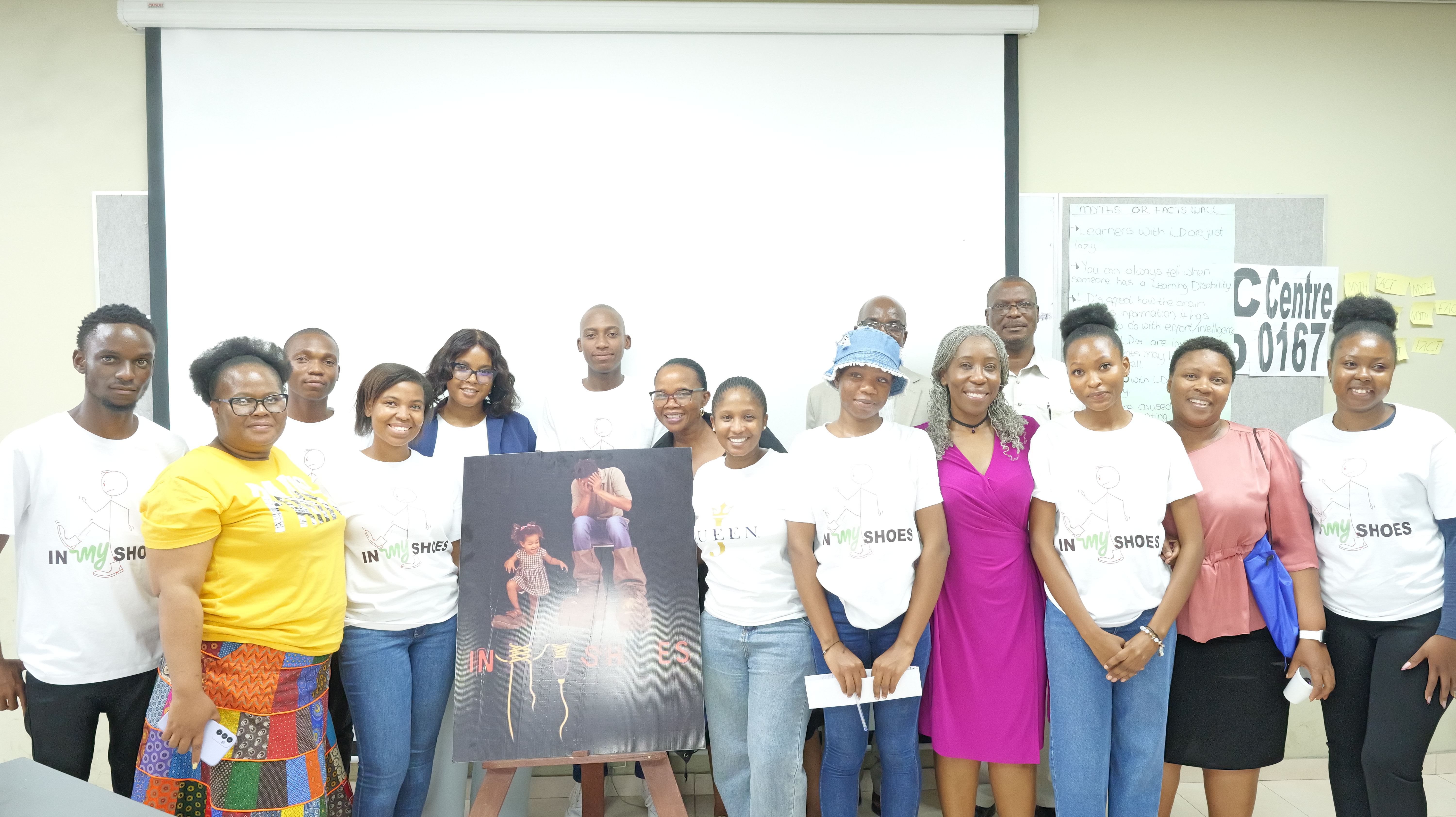 Twenty-five (25) students from the Department of Educational Foundations have demonstrated the University of Botswana’s (UB) commitment to inclusive education through a series of practical projects conducted as part of their continuous assessment for the course Developmental Approaches and Behavioural Management of Students with Disabilities (EFS 250). The initiative served as an alternative to the final examination and showcased how outcome-based learning can be effectively applied in real school environments.
The projects were carried out at Lesedi Primary School, Moselewapula Junior Secondary School, Tlokweng Junior Secondary School and at the University of Botswana, where students facilitated workshops and awareness campaigns focusing on the needs of learners with disabilities.
The activities aimed at sensitising teachers on the nature of learning disabilities, strengthening behavioural management techniques, promoting inclusive teaching practices and building empathy and confidence in supporting diverse learners. The students also encouraged educators, parents and the wider community to look beyond a child’s challenges and instead focus on abilities, potential and the importance of cultivating a supportive learning environment.
UB Educational Foundations lecturer, Dr Macdelyn Mosalagae, said the project demonstrated that special education was grounded in practical application rather than theory alone.
“Outcome-based learning and special education are implementational rather than classroom scenarios,” she noted.
She explained that the students were required to design educational programmes informed by their teaching practice experiences, ensuring that the interventions reflected real-world challenges and needs at school level. Special Education lecturer, Dr Kerileng Mpuang, emphasised the importance of early identification and proper classification of learners with special educational needs.
“Special education is specifically designed for children who have been identified as having special educational needs,” she said.
Dr Mpuang added that identification begins with careful observation, followed, where necessary, by consultations with parents or guardians. She urged teachers to build strong partnerships with parents, extending collaboration beyond the traditional 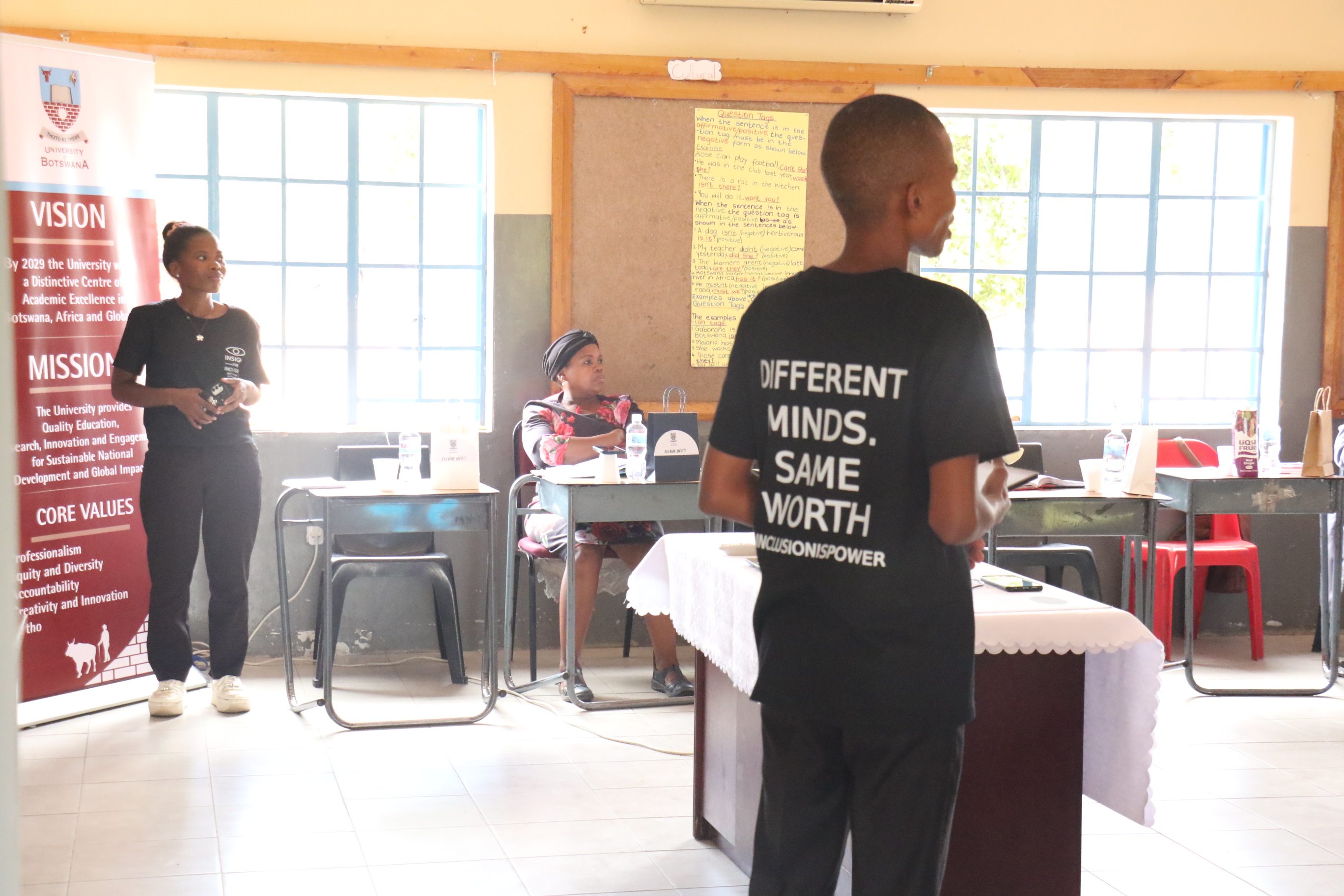 Parent-Teacher Association, to ensure effective support for learners. Meanwhile, Dr Mpho Otukile-Mongwaketse, highlighted the growing challenge of behavioural and emotional disabilities in schools, noting that misdiagnosis was common due to limited recognition and understanding.
She reflected on lessons learnt from the University of Zambia during a recent benchmarking visit particularly the concept of comorbid disabilities, where learners with learning challenges may also have additional disabilities that often went unnoticed.
“Implementing special education strategies and cultivating inclusive learning environments is essential for identifying and supporting pupils living with learning disabilities and difficulties,” she said.