UB School of Nursing Breaks New Ground with Oncology and Palliative Care Programme
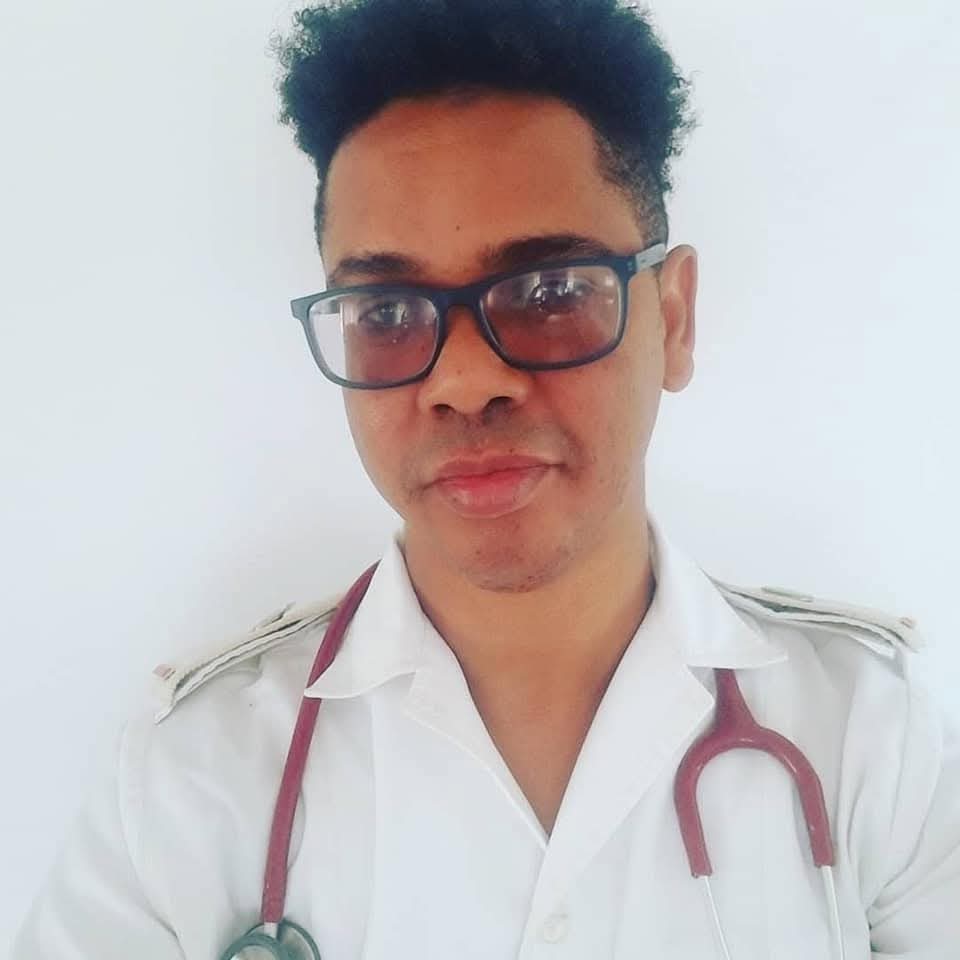 University of Botswana (UB) School of Nursing Oncology and Palliative Care Senior Lecturer, Dr Norman Carl Swart, has announced the launch of a Master of Nursing Science (MNS) programme specialising in Oncology and Palliative Care.
Speaking during an interview recently, Dr Swart said the landmark initiative was designed to equip nursing professionals with advanced skills to address the growing demand for specialised cancer treatment and palliative care in Botswana and beyond. He further stated that the programme underscored UB’s commitment to strengthening healthcare systems through education, research and innovation.
Dr Swart said the MNS programme would focus on adults and older adults hence the name of the programme - Adult-Gerontology Oncology and Palliative Care. He mentioned that the paediatric oncology and haematology programme, where the focus would be on children and adolescents, was in the pipeline. He added that Adult-Gero Oncology and Palliative Care programme would prepare nurses for advanced clinical responsibilities in all phases of cancer care utilising the primary health care model. He explained that advanced practice nurses in oncology and palliative care would be able to function in both acute (hospitals) and primary care (clinics, hospices) settings
Dr Swart said cancer was among leading causes of illness and death globally, with Botswana experiencing a steady rise in cancer cases. He reckoned that an average of 1,200 cancer cases were registered annually, accounting for seven (7) percent deaths in Botswana. He revealed that some of the most prevalent cancers were HIV-related including cervical cancer in women and Kaposi sarcoma in men.
Dr Swart added that cervical cancer accounted for the highest mortality rate of cancer in Botswana with 70 percent patients diagnosed at an advanced staged. He further revealed that the rise of cancer cases in Botswana had created an urgent need for healthcare professionals with specialised knowledge in oncology and palliative care.
In addition, Dr Swart emphasised that UB’s new MNS programme aimed at filling such a gap by preparing nurses to deliver high quality, patient centred care for individuals battling cancer and other life-limiting illnesses and those requiring palliative care and compassionate end-of-life care support. Reflecting on cancer risk factors, he said they included smoking, sedentary lifestyle, high calories diet, high prevalence of HIV/AIDS, aging and rapid urbanisation.
 Furthermore, Dr Swart said cancer challenges in Botswana included the following: limited knowledge and awareness of the signs and symptoms of cancer by patients, delayed diagnosis of cancer by healthcare providers and lack of widespread cancer screening in the country which led to majority of patients presenting with advanced cancer disease.
He said other challenges included long-distance travel to referral hospitals for patients living in the less accessible rural parts of the country and inadequate skilled personnel areas such as oncologists, oncology nurses, palliative care nurses and specialists, pathologists, psychologists, social workers.