UB Research Positions Artificial Intelligence at the Centre of Academic Integrity and Data Governance
 The growing influence of artificial intelligence (AI) in higher education is reshaping how universities safeguard academic integrity and manage research data with the University of Botswana (UB) contributing to emerging global debates on how these technologies should be responsibly integrated into learning systems.
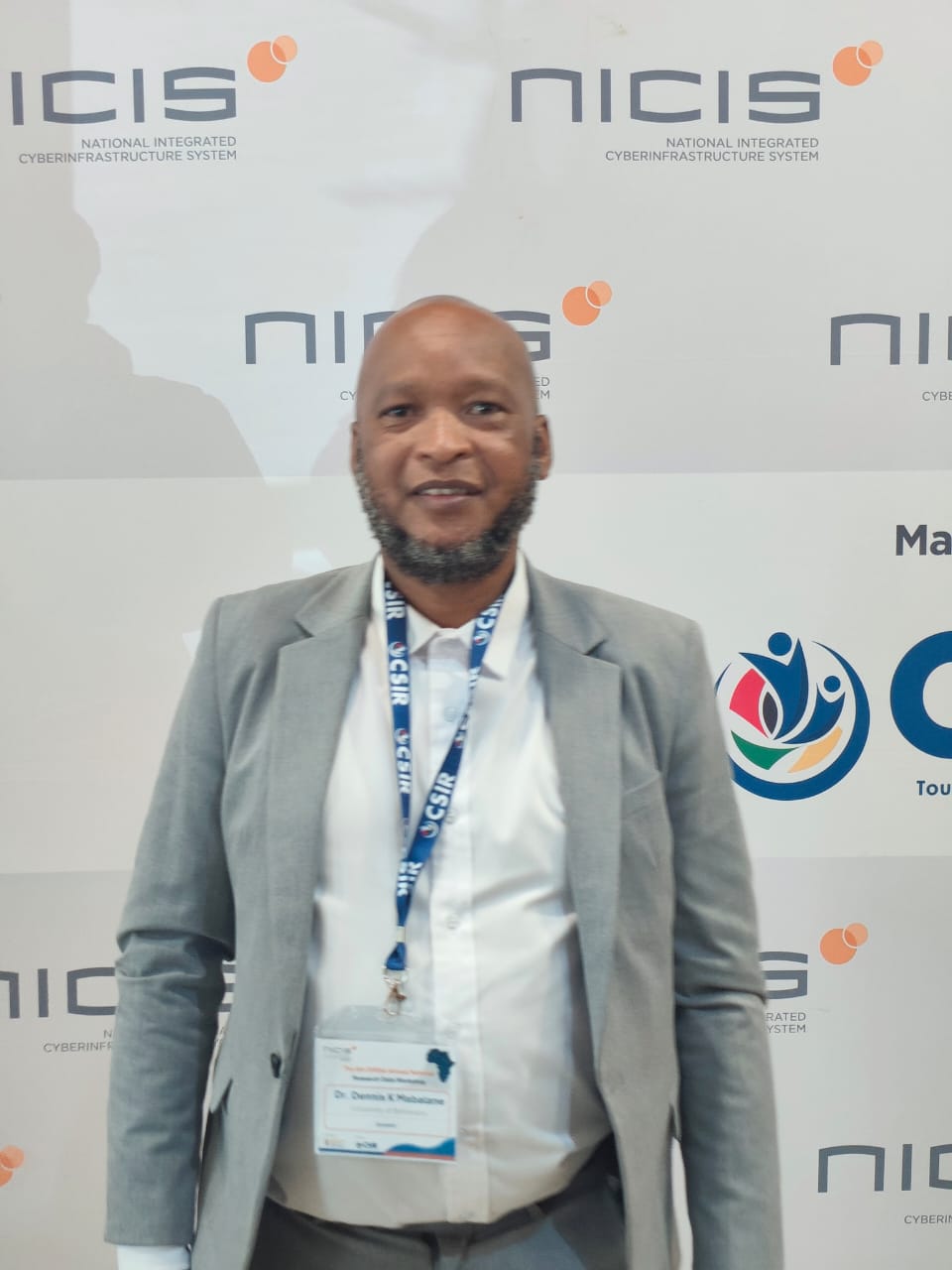
At the centre of this conversation is research by Dr Dennis Kealeboga Mabalane, Manager: Content Design and Development in the Centre for Learning and Teaching Innovation (CLTI), which examines how AI-enhanced Turnitin integrated into the Moodle Learning Management System can be used to strengthen academic integrity and improve research data governance within universities.
Titled “Strengthening Academic Integrity and Research Data Governance through AI-Enhanced Turnitin Integration in Moodle LMS: A Case Study of the University of Botswana,” the study explores how artificial intelligence tools are being deployed within UB’s digital learning environment to improve transparency, accountability and traceability in academic processes.
The research findings suggest that AI systems can significantly enhance institutional capacity to detect academic misconduct and manage academic data but only when supported by robust governance frameworks and clear institutional policies. The study further stresses that AI should function as a complementary tool to academic judgement, rather than a replacement for human oversight.
Dr Mabalane presented the paper at the Data Intensive Research Initiative of South Africa (DIRISA) National Research Data Workshop 2026, held at the Council for Scientific and Industrial Research (CSIR) in Pretoria, South Africa. The presentation followed a competitive peer-review process and placed UB’s work before an international audience of researchers, data specialists and higher education practitioners.
The engagement provided a platform for UB to showcase its ongoing digital transformation efforts particularly within the Centre for Learning and Teaching Innovation which continues to drive innovation in e-learning design, academic technology integration and research data governance.
Beyond presenting institutional practice, the study positioned UB within broader global discussions on ethical AI use in higher education especially at a time when universities are grappling with the implications of AI-assisted learning and assessment.
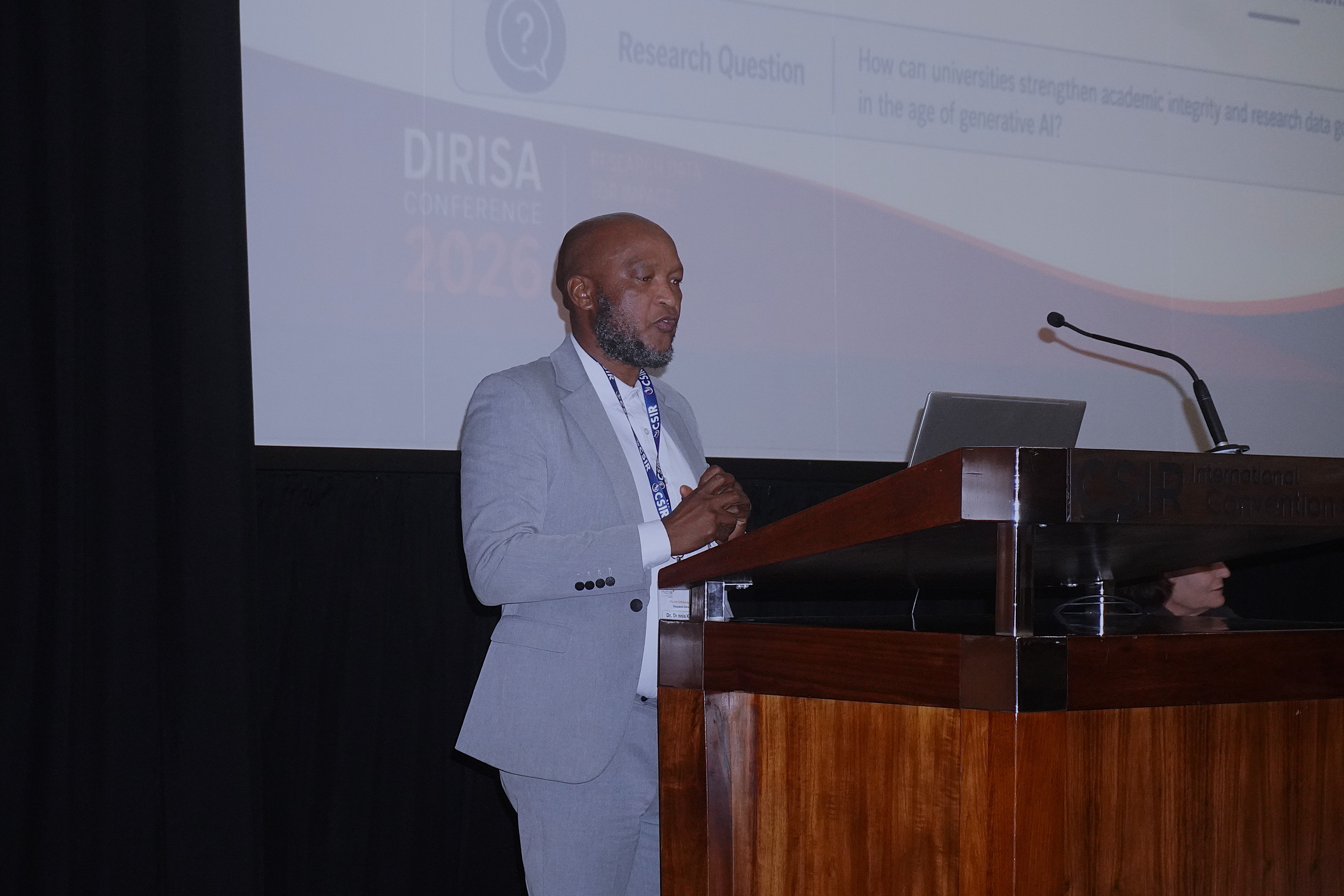 UB’s participation in the DIRISA workshop further strengthened the visibility of its academic innovation agenda and reinforced its contribution to advancing technology-enabled teaching and learning systems in the region.
As higher education institutions increasingly adopt artificial intelligence tools, UB’s research adds an important African institutional perspective on how digital systems can be harnessed to protect academic integrity while improving the quality and credibility of research outputs.