UB Marks International Mother Language Day with Focus on Cultural Heritage and Economic Potential
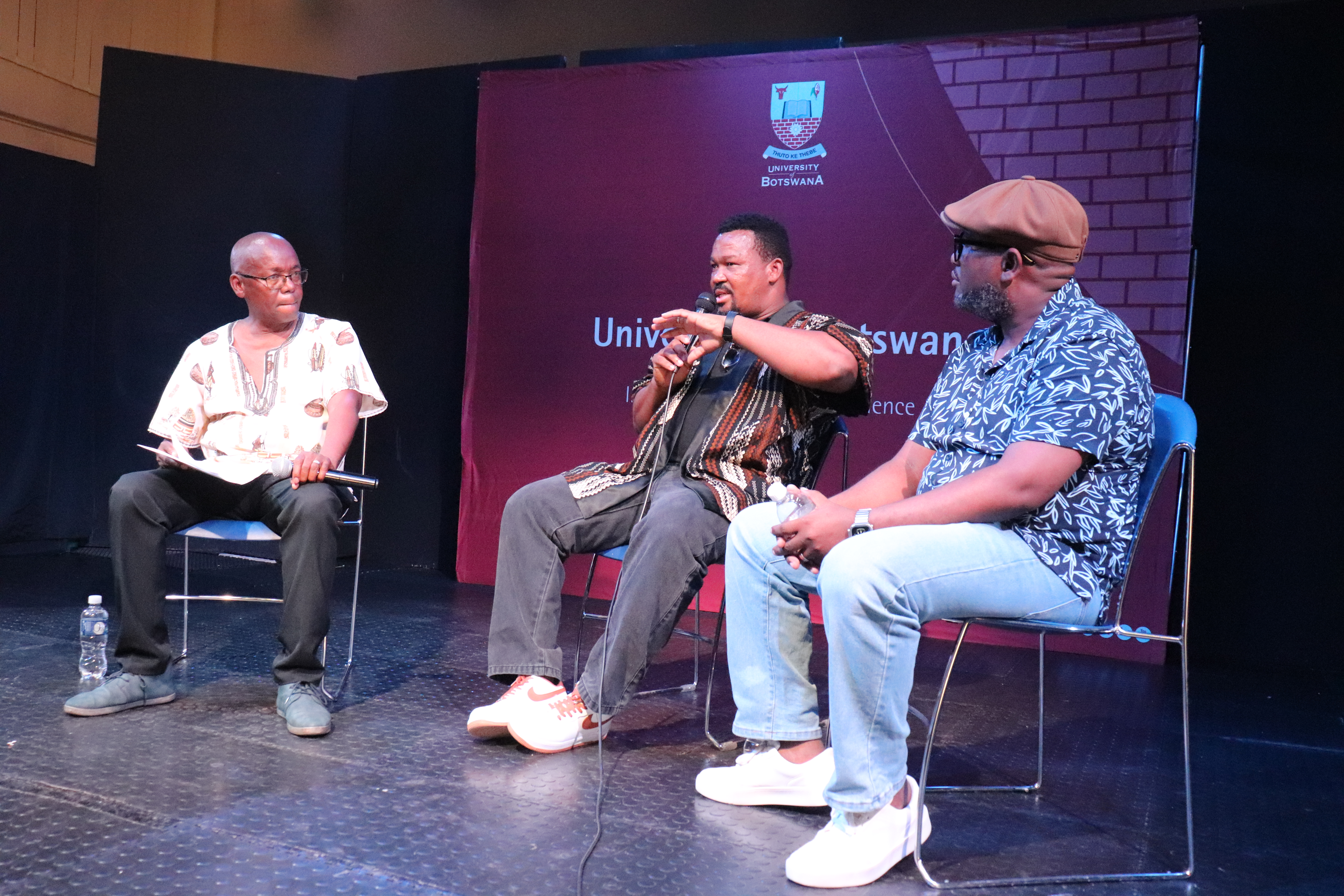 The University of Botswana (UB) Faculty of Humanities recently commemorated International Mother Language Day with a vibrant programme celebrating linguistic diversity, cultural heritage and the economic potential of indigenous languages. Held at the Visual and Performing Arts 253 Hall, the event brought together students, academics and cultural practitioners to showcase Botswana’s rich tapestry of languages, arts and traditions.
Opening the event, Dean of the Faculty of Humanities, Professor Thapelo Otlogetswe, emphasised the significance of the day in recognising the cultural wealth embodied in languages.
“International Mother Language Day is dedicated to recognising the linguistic and cultural wealth that defines humanity,” he said. “As the Faculty of Humanities, we stand at the core of language and cultural preservation, because language is not only a medium of communication but also the archive of a people’s memory, worldview and identity.”
Delivering the keynote address titled ‘Turning Words into Wealth: Monetising Indigenous Languages, Copyright Society of Botswana Documentation and Distribution,’ Manager, Mr Patrick Matlapeng, highlighted the untapped economic potential embedded in indigenous languages.
“To truly turn words into wealth, we must integrate indigenous languages into mainstream education and creative curricula, support the local publishing industry, invest in translation and content development, strengthen intellectual property enforcement and encourage young creators to produce in their mother tongues,” he said.
Mr Matlapeng further stressed that meaningful progress required collaboration across sectors.
“Policy makers, cultural institutions, the private sector and rights management organisations must work together to build an economic ecosystem where indigenous language content is valued, protected and rewarded,” he noted. He added that indigenous languages should not be viewed as backward or merely symbolic but rather as valuable cultural assets with significant economic potential.
“When we document our indigenous languages, we preserve them. When we protect them, we empower them. And when we monetise them, we sustain them,” he said.
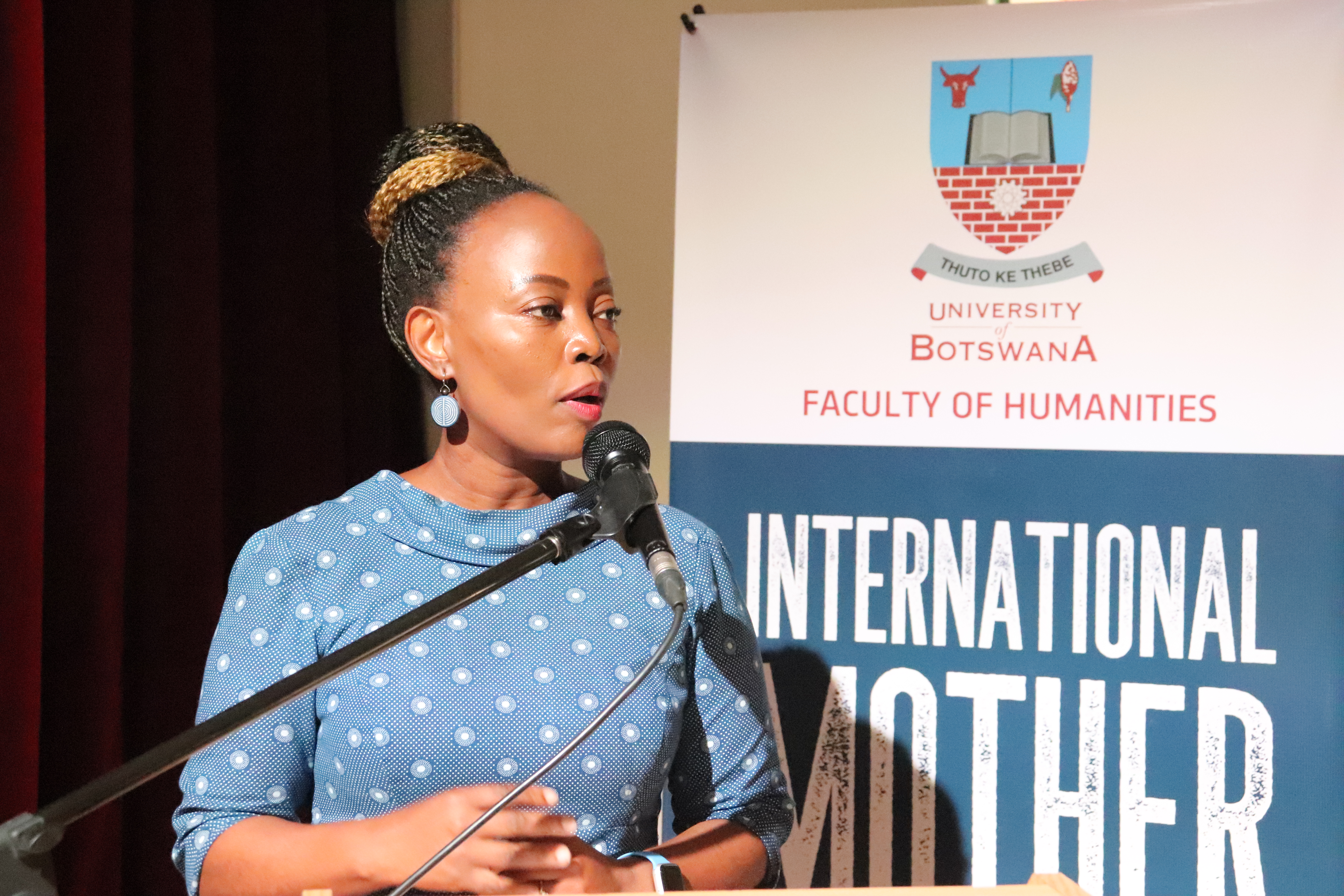 International Mother Language Day Committee Chairperson, Dr Naledi Kgolo-Lotshwao delivered the vote of thanks, commending the performers, organisers and speakers who contributed to the success of the celebration.
“The International Mother Language Day celebration showcased remarkable talent drawn from different cultures and traditions, expressed through a wide array of languages under the University of Botswana banner,” she said.
Dr Kgolo-Lotshwao also expressed appreciation to collaborators and members of the community who supported the event, noting that such partnerships were essential in promoting and sustaining linguistic diversity.