UB-Led Study Sparks National Dialogue on Elderly Care Policy, Family Support
 A major study on family caregiving has placed elderly care firmly on Botswana’s national policy agenda following the hosting of the country’s first-ever National Dialogue on Elderly Care in Botswana by the University of Botswana (UB). The dialogue brought together government, researchers, communities and practitioners to review how policies, programmes and budgets support elderly care at family and community levels.
The dialogue follows a comprehensive study conducted by UB’s Department of Social Work in collaboration with the University of Cape Town through its Family Caregiving Programme. The study focused on 80 elderly persons and their caregivers, examining how families sustain care and the challenges they face in supporting ageing relatives.
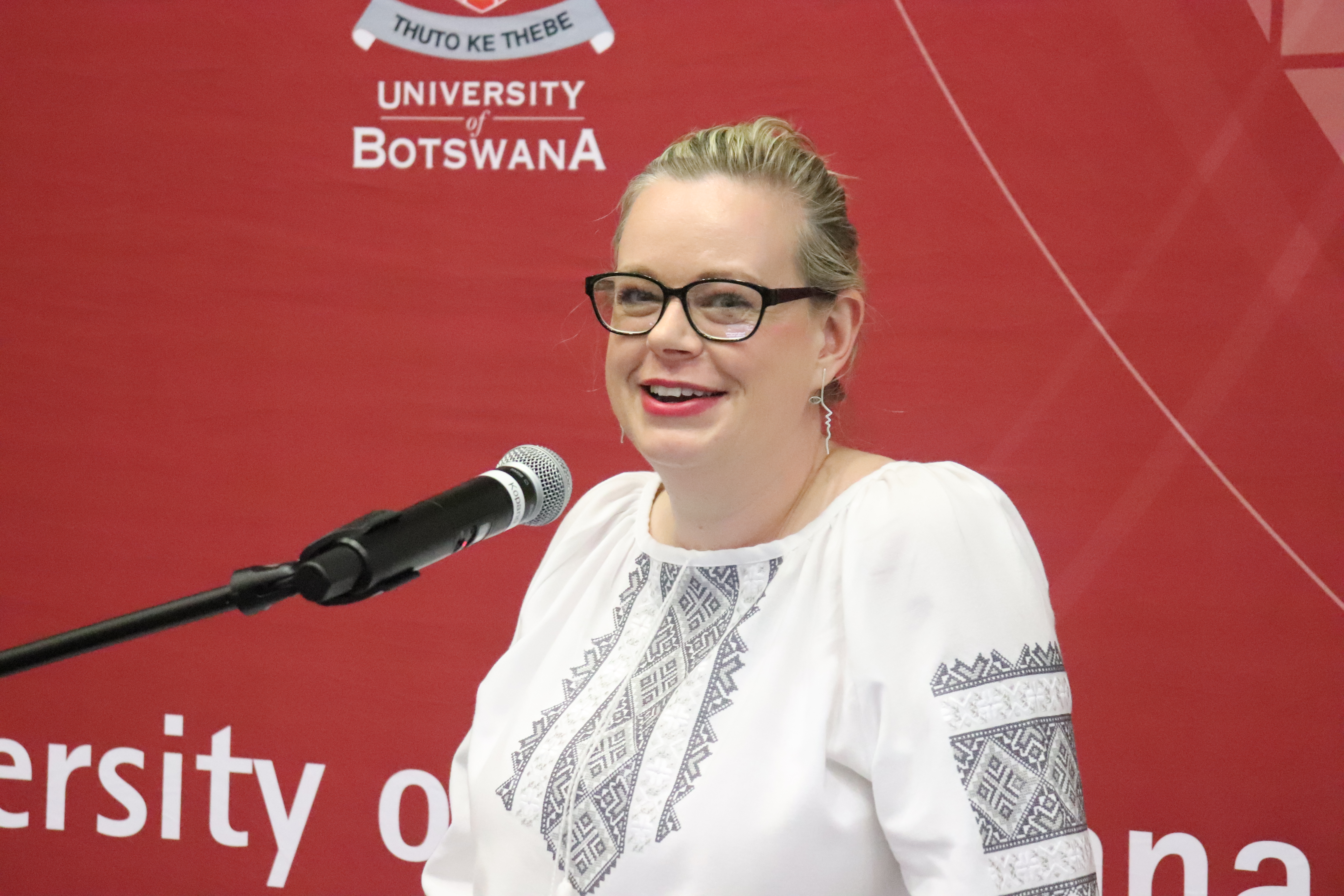
Speaking at the dialogue, UB Director of the Office of Research and Development, Ms Kimberley Cornfield, underscored the importance of collaborative and socially responsive research. She said innovative research must be accessible, inclusive, and impactful, with communities playing a central role in shaping both the research process and outcomes. She described the Family Caregiving Programme as a model that brought all stakeholders together to address a shared societal challenge.
Acting Head of the Department of Social Work at UB, Professor Odireleng Mildred Shehu, said the study was designed as a community-engaged survey from its inception. Research was conducted in Tlokweng, Modipane, Molepolole and Lobatse with the involvement of Dikgosi, Village Development Committee (VDC) members and the wider community. Professor Shehu explained that the study could be interpreted as longitudinal, with caregivers interviewed in the first wave followed by elderly care recipients. This year’s dialogue focuses on findings from the first wave to unpack the lived experiences and journeys of caregivers.
From a regional perspective, Professor Elena Moore from the University of Cape Town’s Department of Sociology and the Family Caregiving Programme said the research sought to understand caregiving experiences across Southern Africa. She emphasised the importance of capturing diverse cultural and community perspectives and using the evidence to inform practice among social workers, nurses, community leaders and policymakers.
Government representatives highlighted the policy relevance of the findings. Deputy Permanent Secretary in the Ministry of Local Government and Traditional Affairs, Mr Kabo Moseki, said improving the quality of life of the elderly required unified studies and meaningful public participation. Mr Moseki stressed the need for research that directly involved communities to inform appropriate and responsive policies particularly in the area of social security for elderly citizens.
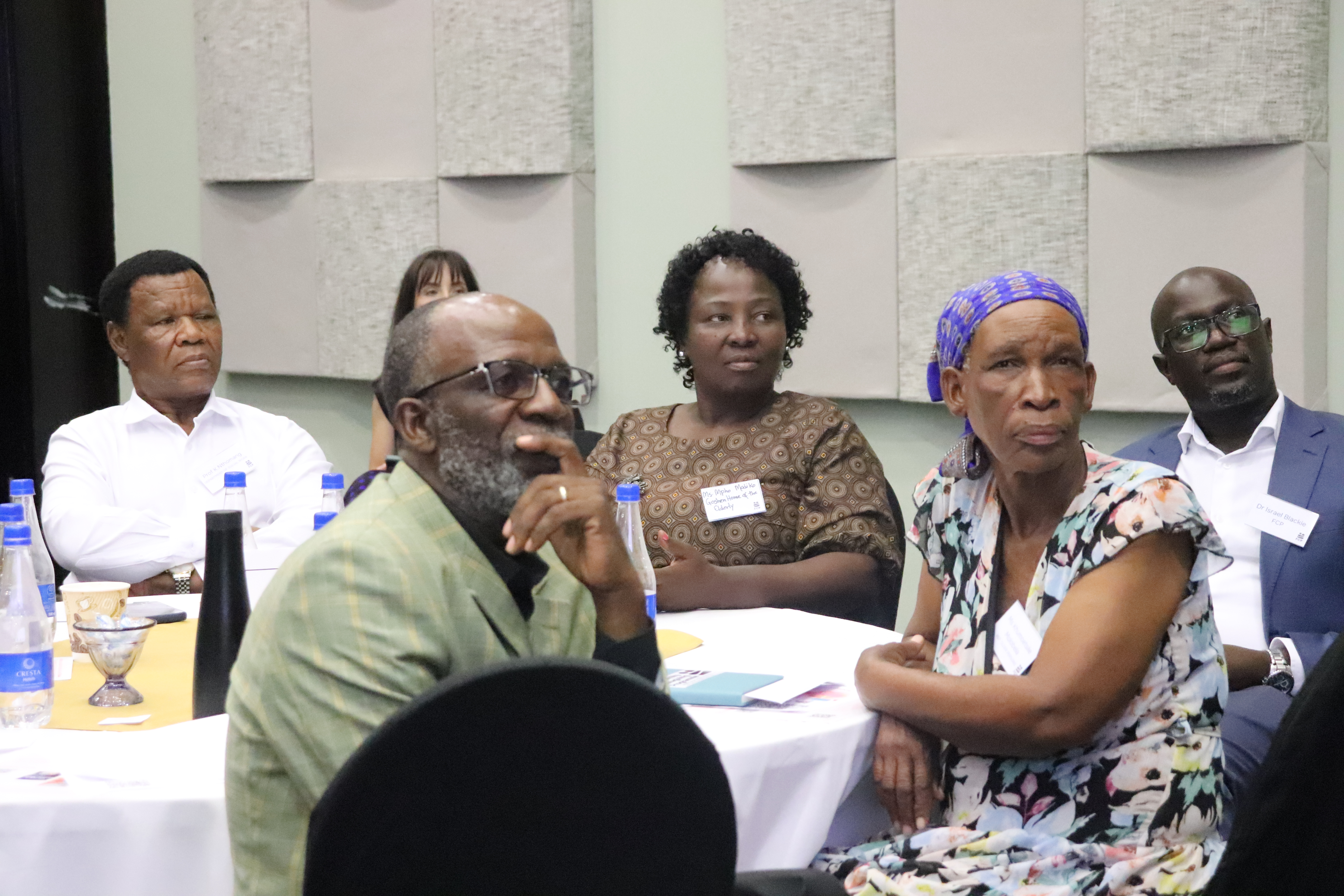 Director in the Department of Social Development at the same ministry, Mr Ben Semommung, said evidence-led policymaking was key to transforming Botswana’s policy landscape. He described such studies as critical blueprints for developing inclusive policies that address the needs of all Batswana.
Closing the dialogue, Professor Dolly Ntseane reaffirmed the collaboration’s commitment to presenting the research findings and recommendations from the two-day national dialogue to relevant stakeholders. She said the joint effort was rooted in building a better future for elderly citizens and strengthening family and community-based care systems in Botswana.