UB Joins African Health Leaders to Advance Planetary Health
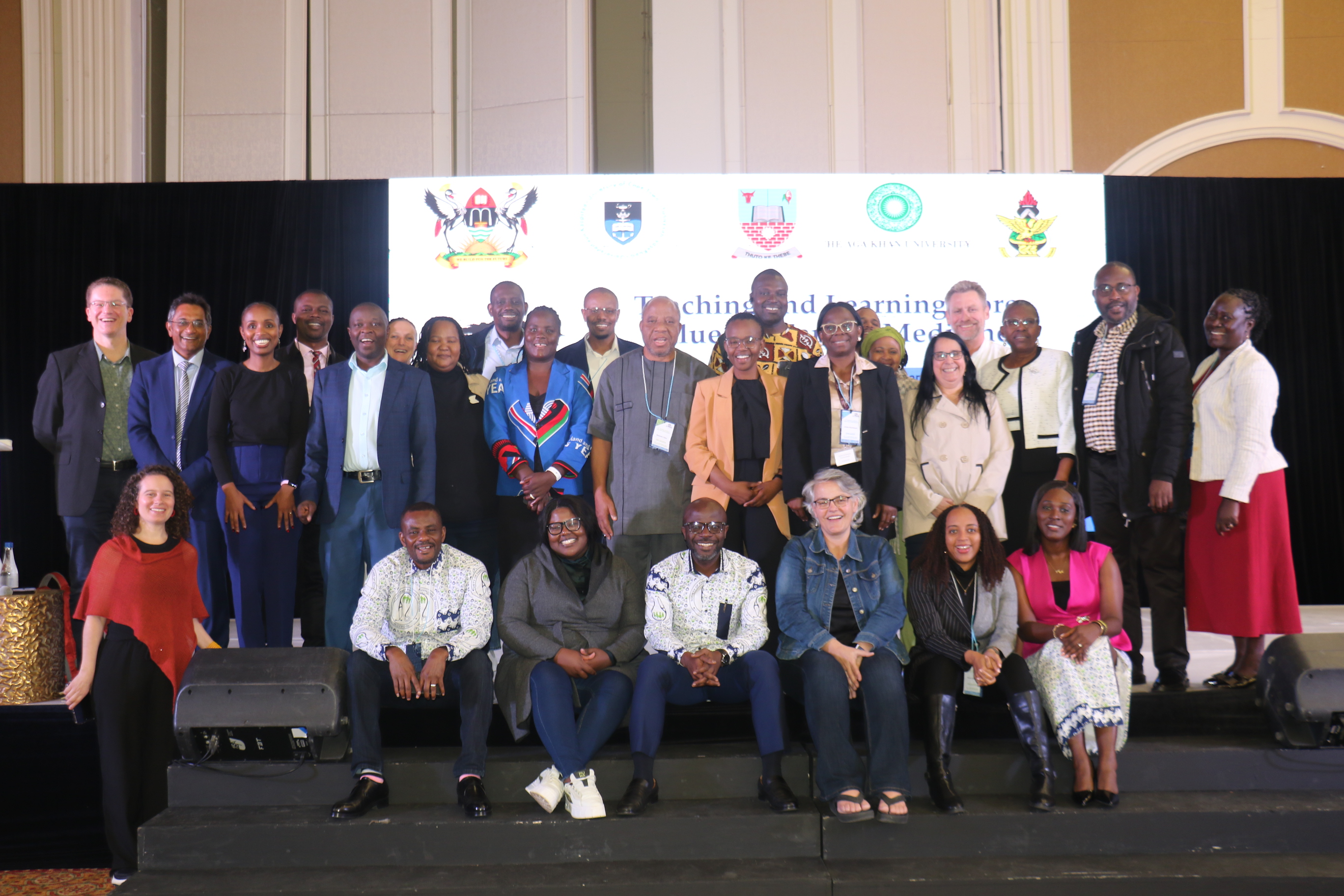 The University of Botswana (UB) joined health professionals, researchers, policymakers and other stakeholders from across Africa and beyond at the 9th World Organisation of Family Doctors (WONCA) Africa Region Conference, held at the Gaborone International Convention Centre on the 10th and 11th of September 2026.
Held under the theme “We Are One: Africa United to Advance Planetary Health through Collaboration and Resource Alignment in Primary Health Care,” the conference placed primary health care and family medicine at the centre of conversations on some of Africa’s most pressing health and environmental challenges.
For UB, the gathering provided an opportunity to showcase its contribution to primary health care, share knowledge and strengthen engagement with regional and international partners working to build more resilient and sustainable health systems.
WONCA Africa President, Professor Bob Mash, called for a broader role for family physicians beyond individual patient care, emphasising their contribution to health-system improvement, research, education, community engagement and advocacy. He also underscored the importance of better coordination and use of available resources to make primary health care more accessible and equitable.
WONCA World President, Professor Viviana Martinez-Bianchi, challenged family physicians to view their profession as a form of activism and social responsibility. She urged practitioners to use their influence to advocate for health equity, stronger primary health-care systems and policies that address the social, environmental and economic factors that shape health outcomes.
Officially opening the conference, Minister of Local Government and Traditional Affairs, Hon Ketlhalefile Motshegwa, highlighted the importance of strong primary health-care systems and collaboration between government, health institutions, communities and other stakeholders.
Discussions during the two-day conference explored the intersection of planetary health, climate change and primary health care as well as issues including hepatitis B elimination, health professions education and the future of family medicine in Africa.
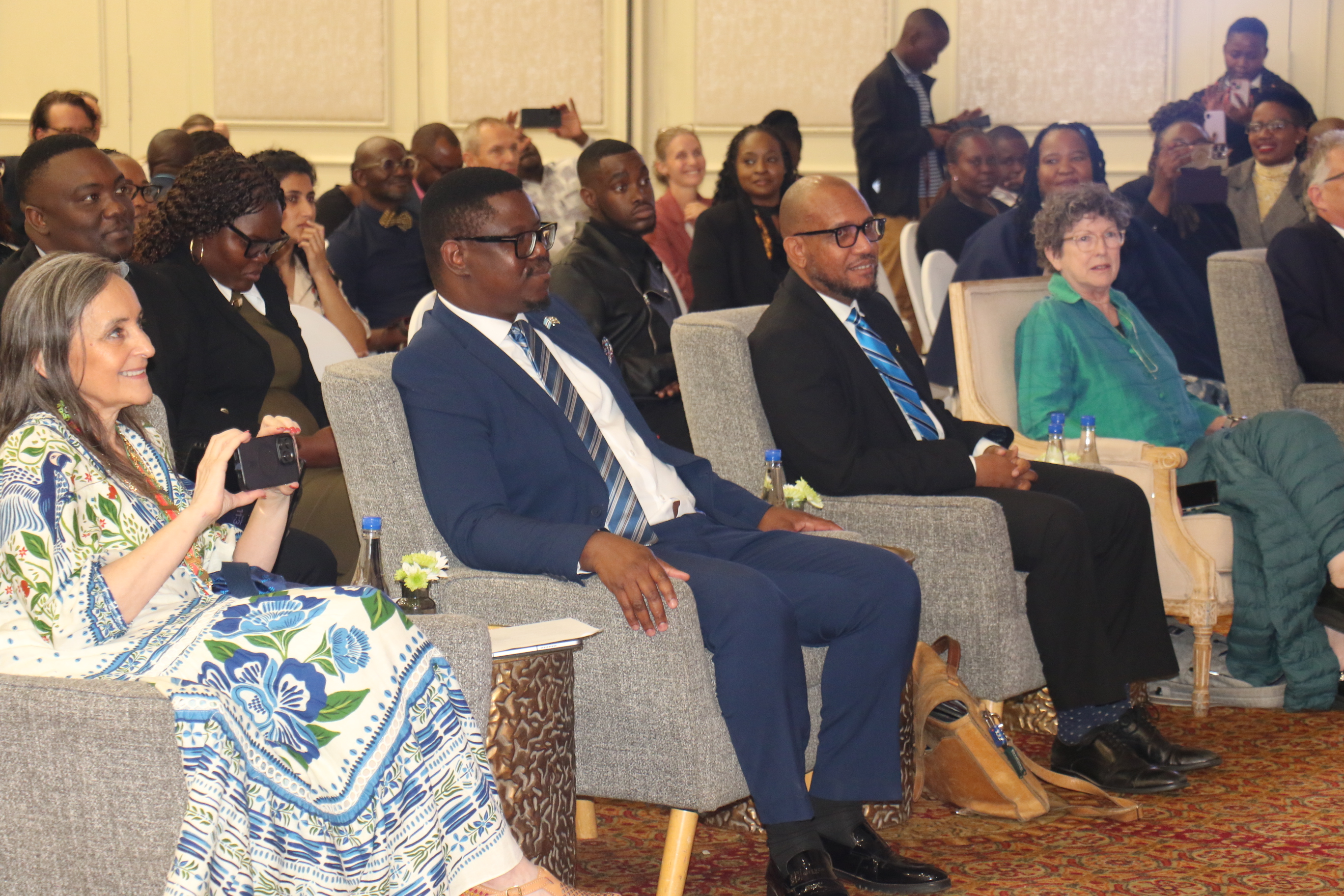 A key message emerging from the discussions was that Africa’s health challenges could not be addressed by the health sector alone. Stronger partnerships, innovative approaches, appropriate resource allocation and health professionals equipped to respond to changing community needs are essential to building sustainable health systems.
UB’s participation reinforced its commitment to strengthening primary health care through education, research, innovation and community engagement while creating opportunities for collaboration with health-sector partners across Africa and beyond.