UB Hosts Lecture on Rethinking Constitutional Governance in Africa
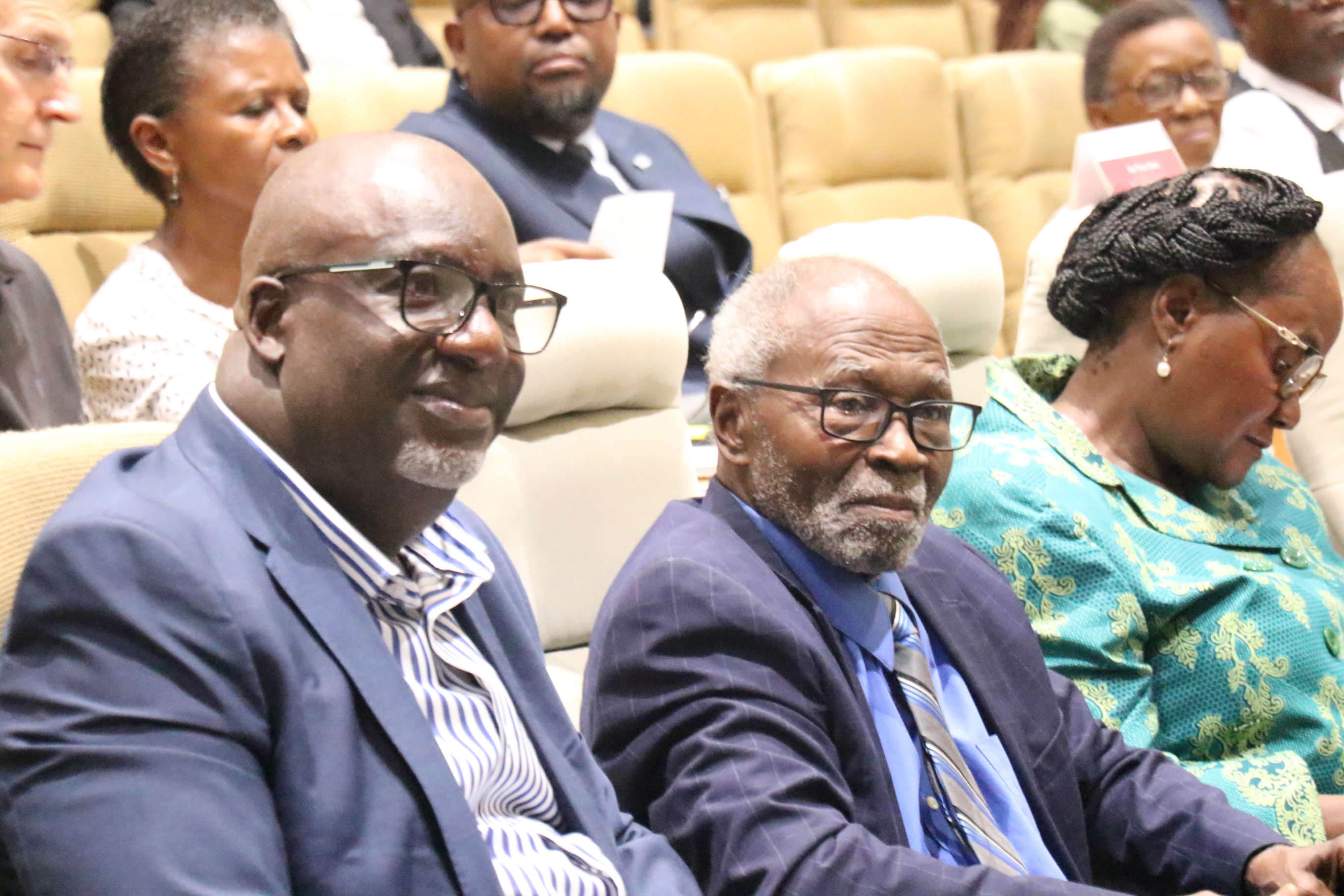 The University of Botswana (UB) recently hosted a public lecture at the UB Library Auditorium focusing on rethinking constitutional and democratic governance systems in Africa.
The lecture, titled Re-Inventing the Wheel of an Effective Constitutional and Democratic Governance System: Some Lessons for Africa, was delivered by retired law scholar, Professor Kwame Frimpong. It sparked discussion on the current state of constitutionalism and governance across Africa with particular reference to Botswana.
Opening the session, Acting Dean of the Faculty of Social Sciences, Professor Tachilisa Balule, underscored the importance of inclusive dialogue among academia, policymakers, civil society and the public in addressing governance challenges. He noted that the lecture formed part of the University’s broader commitment to creating platforms for robust national debate especially in light of ongoing discussions around constitutional review in Botswana.
Professor Balule said the forum offered an opportunity not only to listen and learn but also to reflect on how democratic systems can be strengthened to promote accountability, participation, justice and sustainable development.
In his presentation, Professor Frimpong highlighted the fragility of modern democratic systems, noting that recent global and regional developments have exposed weaknesses in constitutional governance. He argued for a re-examination of Africa’s governance models through the integration of pre-colonial and traditional systems with modern democratic frameworks.
He observed that many African societies had well-established governance structures prior to colonial rule and stressed the need to recover valuable elements of these systems while discarding practices that were inconsistent with contemporary human rights standards.
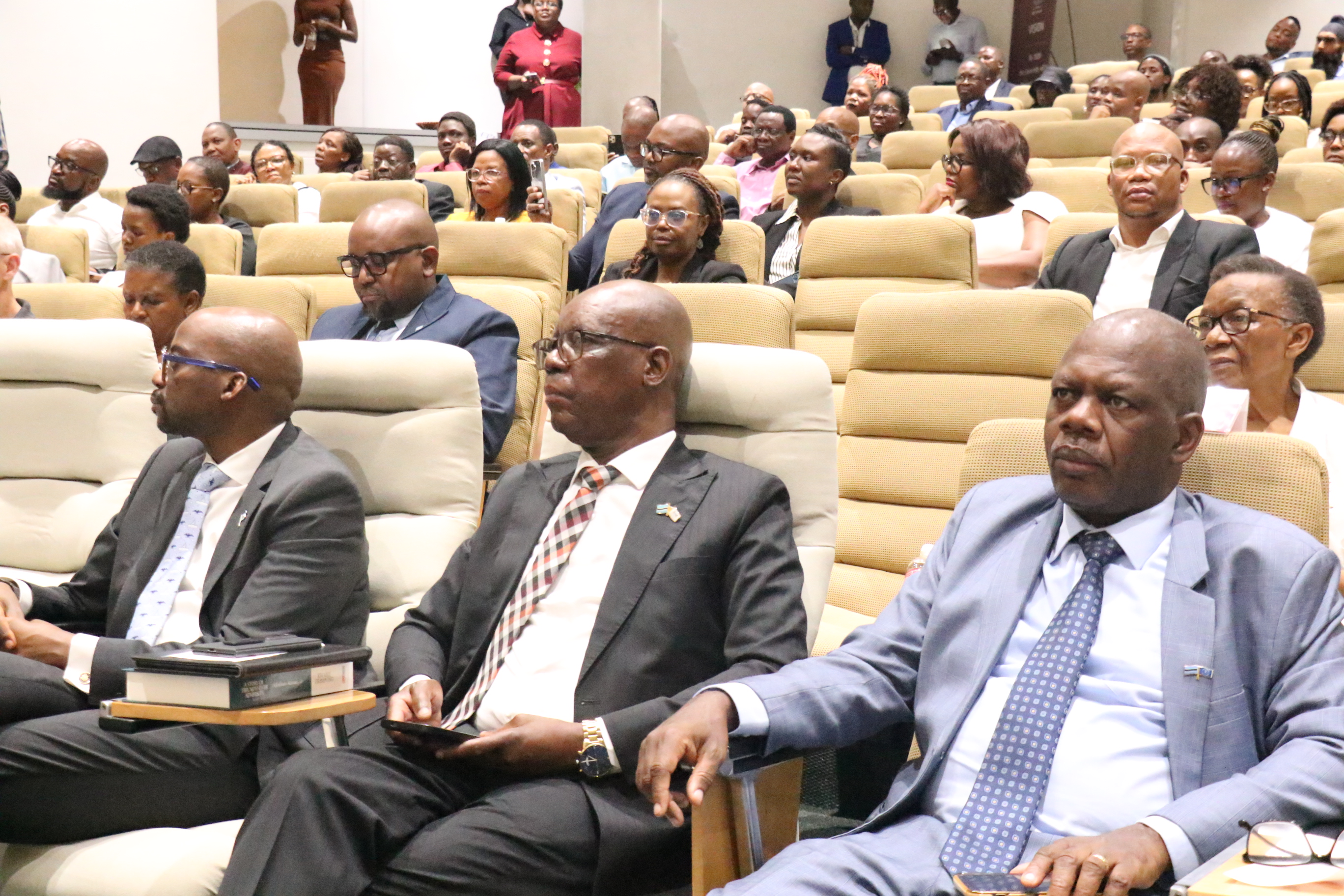 Professor Frimpong further proposed a hybrid governance model that retained constitutional democracy but incorporated stronger representative mechanisms rooted in traditional authority structures. He suggested that institutions such as chieftaincy, already recognised within Botswana’s constitutional framework, could play a more meaningful role in governance.
Among his proposals was the creation of a supra-constitutional oversight body composed of representatives mandated to intervene in instances where constitutional provisions were undermined. Such a body, he noted, would operate within clearly defined constitutional limits while strengthening accountability across state institutions.