UB Helps Sharpen Social Workers’ Skills for Botswana’s Evolving Social Challenges
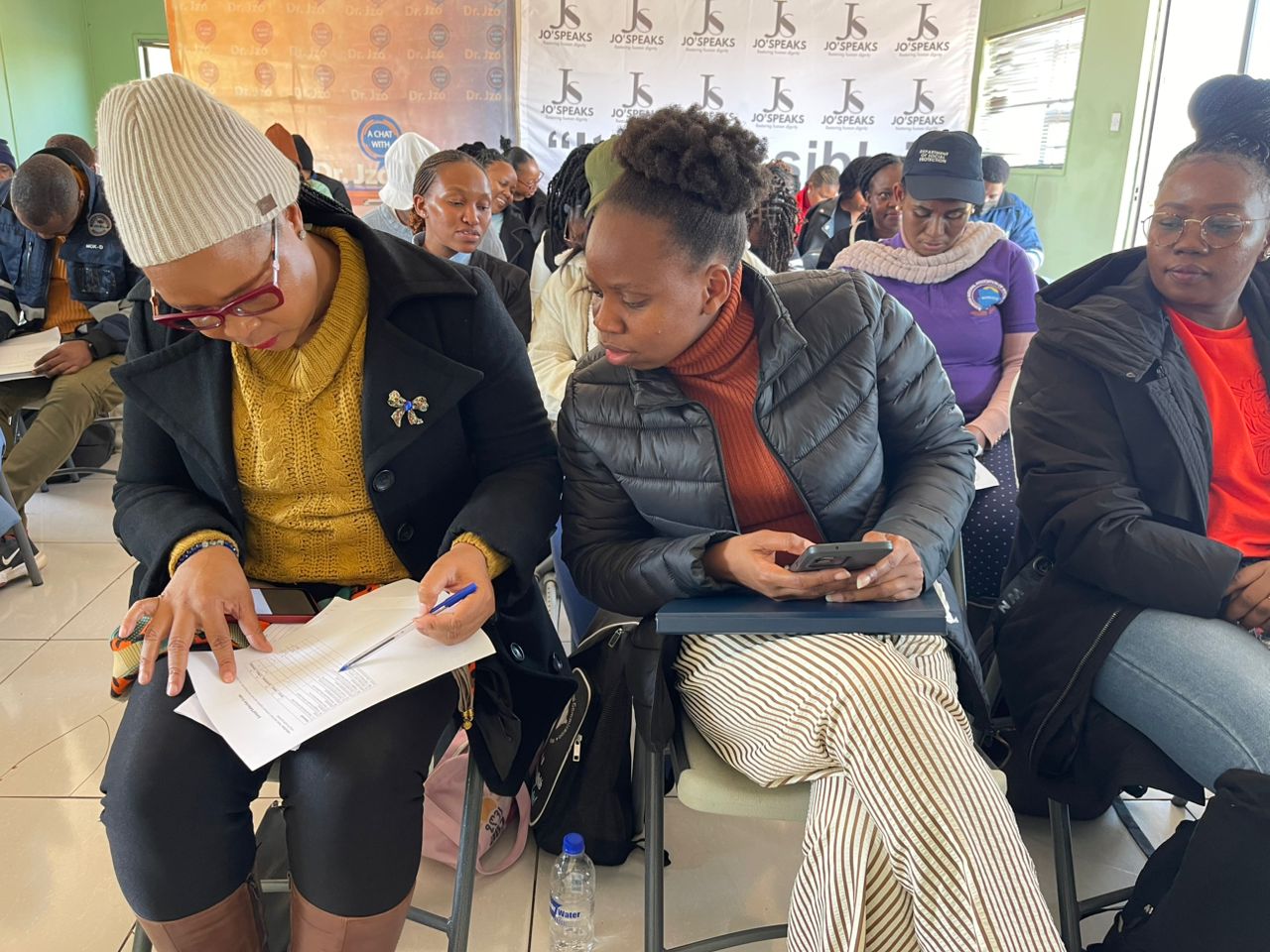 As Botswana grapples with increasingly complex social challenges ranging from substance abuse and family breakdown to mental health concerns and child protection issues, the need for highly skilled social workers has never been greater.
Recognising this reality, the University of Botswana (UB) Department of Social Work and Community Development recently partnered with the Botswana National Association of Social Workers (BONASW) to deliver a professional development workshop aimed at strengthening the knowledge, skills and resilience of frontline social workers serving communities across Gaborone, Kgatleng, Tlokweng, Ramotswa and Kweneng.
The workshop brought together practicing social workers and university academics in a collaborative learning environment designed to bridge theory and practice while promoting evidence-based approaches to service delivery. The initiative also reflected the department's commitment to supporting the profession beyond the classroom by ensuring that practitioners remained equipped to respond to emerging social issues affecting individuals, families and communities.
Leading sessions on clinical social work assessment, Dr Kgomotso Jongman underscored the importance of thorough assessments as the foundation of effective intervention. Dr Jongman guided participants through key approaches including comprehensive assessments, risk and safeguarding assessments and biopsychosocial assessments, all of which help practitioners develop a deeper understanding of clients' circumstances and needs before determining appropriate interventions.
The workshop also addressed substance abuse, an issue that continues to affect many communities. Facilitating discussions on evidence-based responses to addiction and substance-related cases, Dr Refilwe Jeremiah highlighted the importance of distinguishing between substance use, abuse and dependence. She stressed that effective interventions depend on careful assessment and informed decision-making, enabling social workers to provide support that is both appropriate and sustainable.
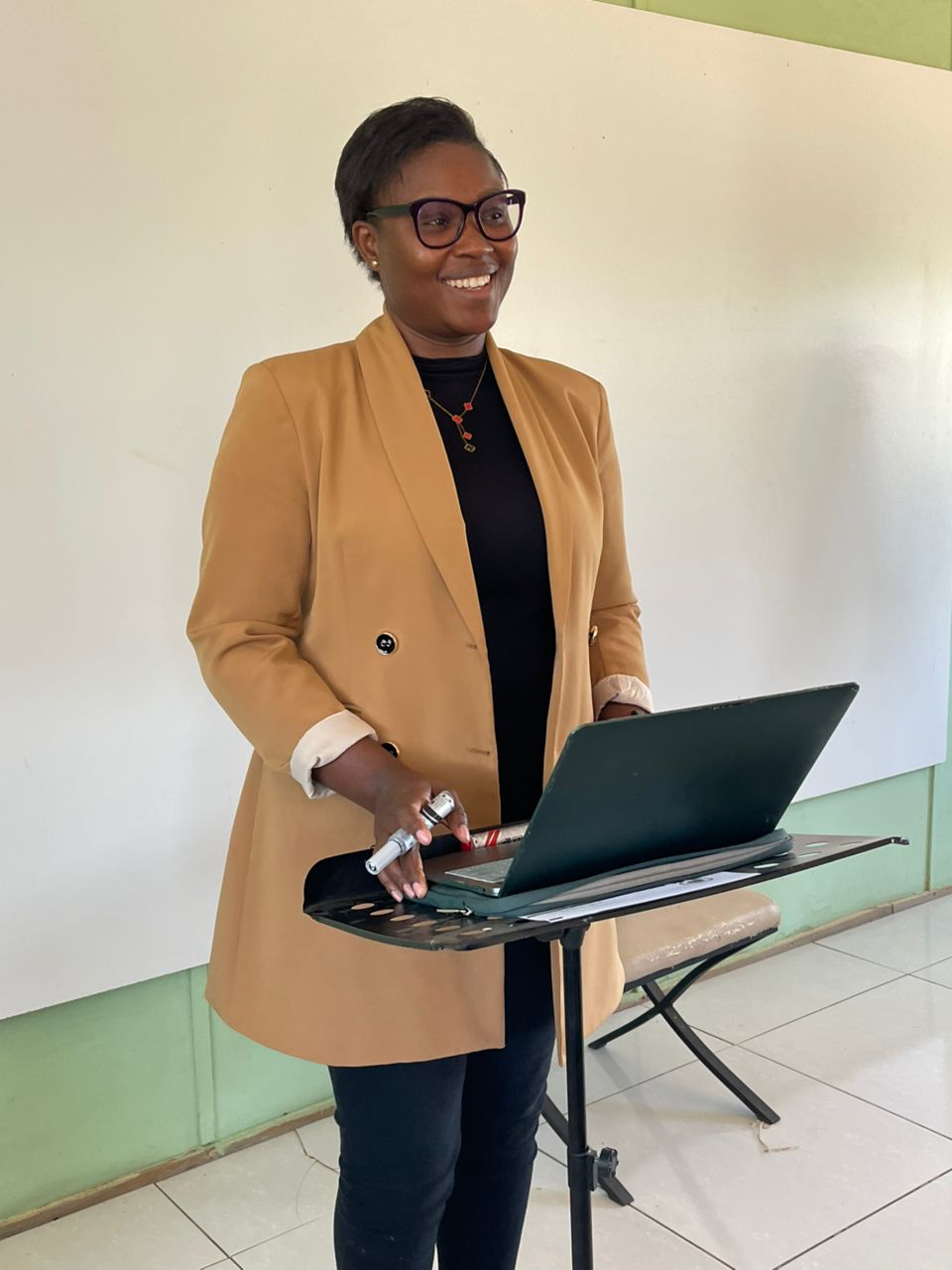 Dr Jeremiah further noted the importance of strengthening collaboration between UB and BONASW, expressing the department's intention to deepen engagement with the association in support of continuous professional development and the advancement of social work practice in Botswana.
Beyond technical skills, the workshop placed significant emphasis on practitioner wellbeing. Addressing participants on the topic of self-care, Dr Kefentse Malele reminded social workers that their ability to care for others was closely linked to their own wellbeing.
Dr Malele encouraged practitioners to view self-care not as an indulgence but as a professional responsibility, highlighting the importance of setting healthy boundaries, recognising personal limitations and safeguarding mental and physical health in a profession that often required supporting people through some of life's most difficult circumstances.
The workshop highlighted UB's continued contribution to national development through knowledge sharing, professional capacity building and community engagement. By creating opportunities for practitioners to refresh their skills and exchange experiences, the University is helping to build a stronger, more responsive social service sector capable of meeting Botswana's evolving social and developmental needs.