UB Embraces Presidential Youth Empowernment Campaign Geared at Unlocking Youth Opportunities
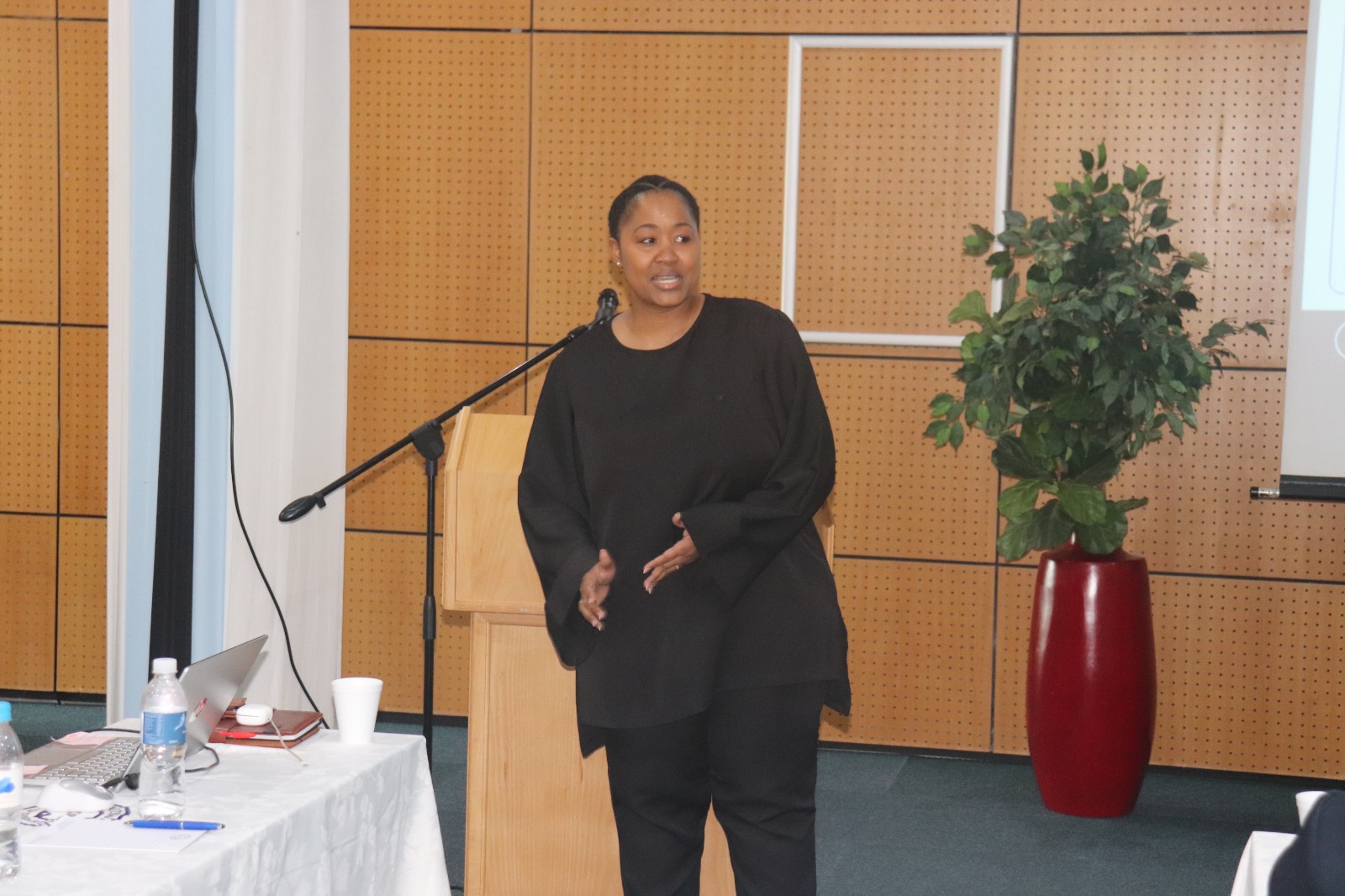 University of Botswana (UB) has embraced the Presidential Youth Empowerment Campaign (PYEC) which seeks to promote the spirit of self-reliance as Botswana navigates the challenge of creating opportunities for young people amid rising unemployment figures.
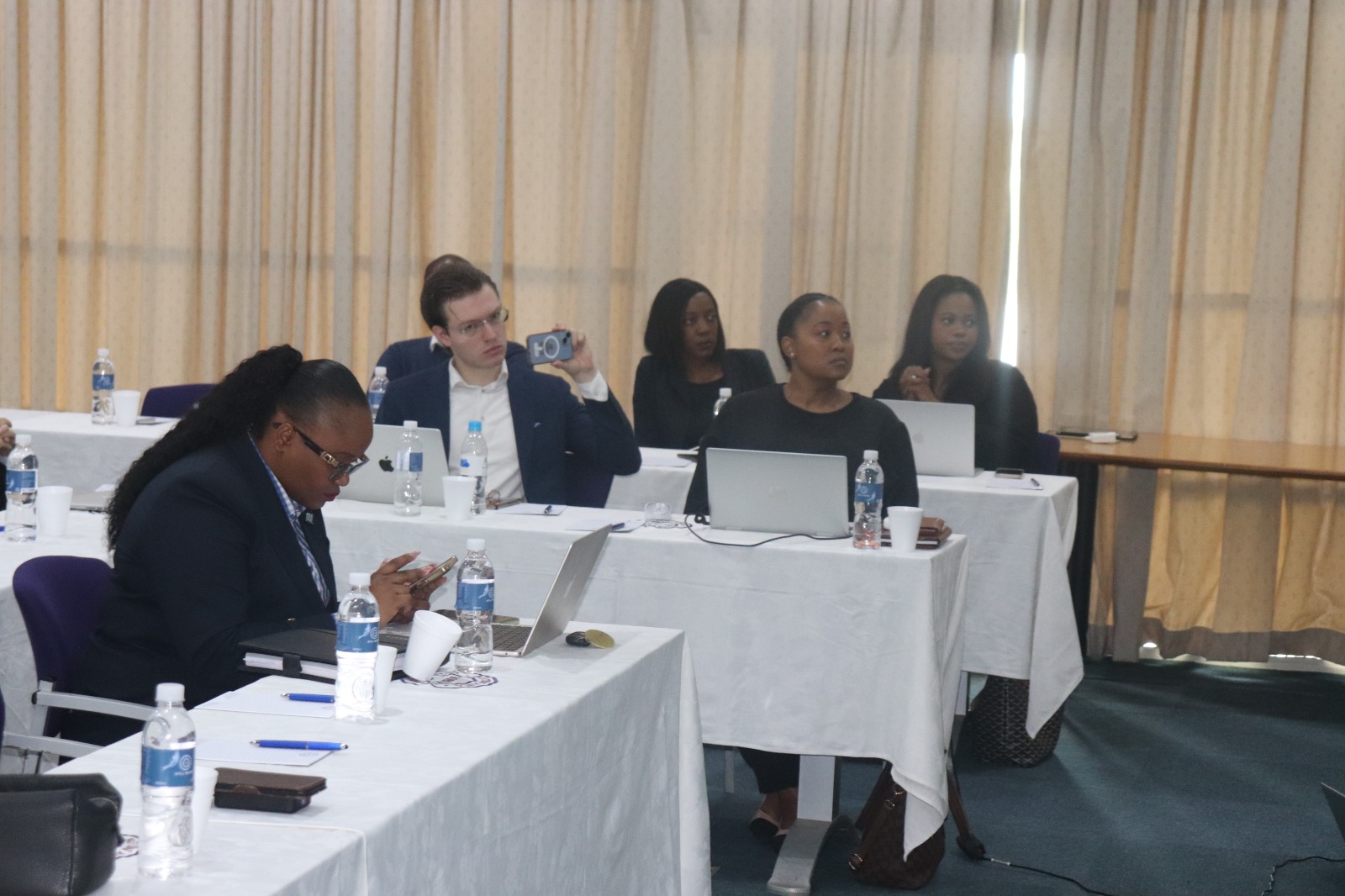
UB reaffirmed its commitment to the PYEC this week through participation at a strategic partner engagement held on the 29th of April 2026 at the Botswana Bureau of Standards (BOBS) offices in Gaborone. The meeting brought together various stakeholders from the Office of the President, government departments, parastatals, private sector, Non-Governmental Organisations (NGOs) and developmental partners alike.
Giving a brief overview of the PYEC, Project National Coordinator, Ms Maipelo Sealetsa, said the initiative was a targeted action geared towards improving young peoples’ livelihoods amidst soaring unemployment rates and dwindling national coffers. Ms Sealetsa stressed that through participation from Batswana across all sectors the PYEC was envisaged to create 342 000 opportunities for young people. Ms Sealetsa stated that the initiative would be driven predominantly by the private sector working in collaboration with other key stakeholders.
The PYEC Coordinator observed that challenges such as skills mismatch, undiversified economy, weak public-private linkages, no entry-level pipeline, fragmented implementation and geographical inequalities were some of the factors that contributed to youth unemployment, with annual figures growing without any systematic coordinated intervention. Consequently, she explained that the PYEC was a direct response to these challenges and would be implemented through DigiBots which would provide the necessary infrastructure to ensure that the intervention was measurable, scalable and accountable.
For more impact, she added that the project would be delivered through a national system entailing three (3) flagship programmes, being private sector led supported by Higher Education ministry, youth focused rural economic revitalisation scheme in partnership with the private sector and supported by the Ministry of Local Government and Traditional Affairs and thirdly a youth corporates led initiative.
Further, the PYEC targets eight (8) priority sectors including but not limited to agriculture, textile, automotive development and transport sector. It is through the PYEC that Botswana envisages to create job opportunities across industries and strengthen synergies between private and public sectors. In addition, the initiative is expected to build skills development among youth as well as inculcate a sense of entrepreneurship.
Echoing similar sentiments on the need seize the PYEC was Special Envoy for International Relations and Economic Development, Dr Farzam Kalamabadi, who emphasised that young people must be empowered to be local but think globally. Dr Kalamabadi indicated that the youth must always be treated as assets not liabilities. He noted that through such an initiative, Batswana youth would lead the way in finding solutions through the creation of a think tank where they would conduct research on local topical issues and use the findings to guide the implementation of practical solutions.
He added that the initiative fed into the National Development Plan (NDP) 12, Vision 2036 and the Botswana Economic Transformation Programme (BETP) which would be enhanced through youthful participation.
For his part, UB representative, Mr Kabo Ramasia, rallied the nation to unite in addressing the youth unemployment crisis. He drew parallels with the founding of the University of Botswana which began through a national campaign known as the Botswana University Campus Appeal (BUCA).
Through the initiative, Batswana contributed cash, cattle, sorghum and other resources towards the establishment of the country’s first national university which eventually opened its doors in 1982.
 Mr Ramasia noted that it was through the spirit of Motho le Motho Kgomo (One Man, One Beast) that Batswana demonstrated unity, resilience and self-reliance in building a national institution of higher learning. He urged Batswana to embrace that same spirit today as the country navigated economic hardships and worked towards creating meaningful opportunities for young people.
Mr Ramasia emphasised that youth empowerment required collective responsibility and cautioned against complacency, calling for deliberate and united action that would translate into tangible results for the youth population.