UB climate scientists meet to pilot CO-CAT tool to strengthen climate adaptation research capacity
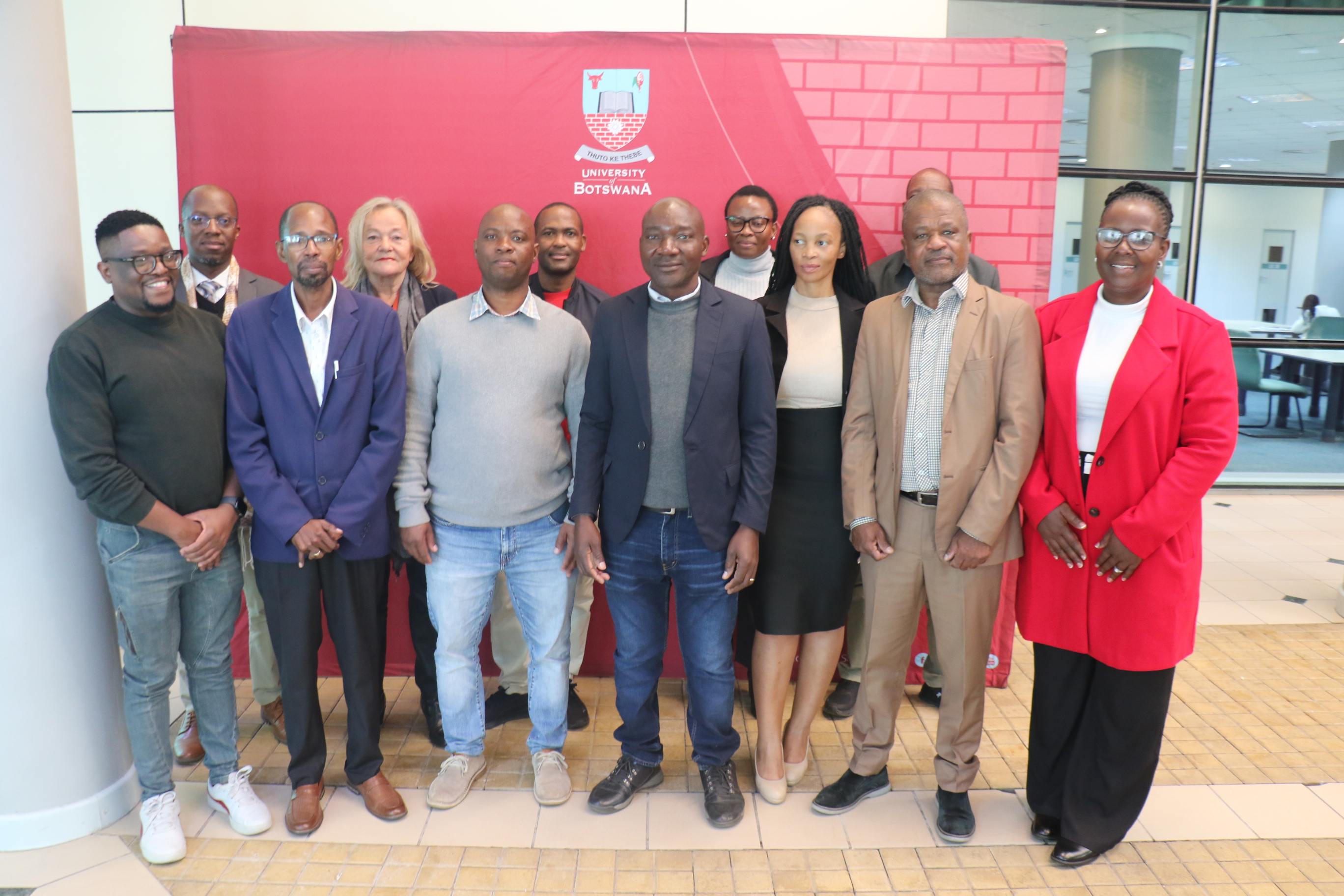 University of Botswana (UB) climate scientists based at the Okavango Research Institute (ORI) recently met with colleagues from across disciplines and external stakeholders to pilot a newly developed Climate Adaptation Research-focused Organisational Capacity Assessment Tool (CO-CAT), aimed at strengthening institutional capacity for climate change adaptation research in Africa.
The two-day technical meeting was held at the UB Library Auditorium on the 25th – 26th of May 2026. It brought together participants from fields such as physics, environmental science, professional support services as well as external partners including the Botswana Meteorological Services. The engagement formed part of a broader continental initiative to assess and enhance the capacity of African universities to generate and translate climate adaptation research into action.
During the meeting, participants were introduced to the CO-CAT project and its assessment framework after which they worked through structured exercises to test the tool by scoring designated modules. They also provided detailed feedback to refine the instrument including suggestions for improvement, additions and contextual adjustments to better reflect institutional realities and climate adaptation priorities.
Discussions also focused on institutional strengths, gaps, challenges and opportunities, with emphasis on research quality, alignment with policy reforms, community engagement and communication of research outputs. The exercise further examined how effectively UB’s research ecosystem contributed to practical climate adaptation outcomes.
The meeting was led by a team from ORI comprising Principal Investigator and Senior Research Fellow, Dr Olga Laiza Kupika, alongside Research Fellow, Dr Vincent Pagiwa (Public Health) and Senior Research Scholar in Climate Change Science, Dr Oliver Moses. The team facilitated the sessions, guided scoring exercises and consolidated feedback to support refinement of the CO-CAT tool.
According to project information, the CO-CAT initiative is a 24-month programme funded primarily (about 90 percent) by the UK Foreign, Commonwealth and Development Office, with co-funding from the International Development Research Centre. It is implemented by the Association of African Universities, Association of Commonwealth Universities as well as the Liverpool School of Tropical Medicine.
The project works with 20 African universities through a living-lab approach, with 12 online collaborative sessions already held to co-create the CO-CAT tool. It brings together researchers, university leadership, professional staff and non-academic stakeholders including NGOs, policymakers, government bodies and community representatives engaged in climate adaptation.
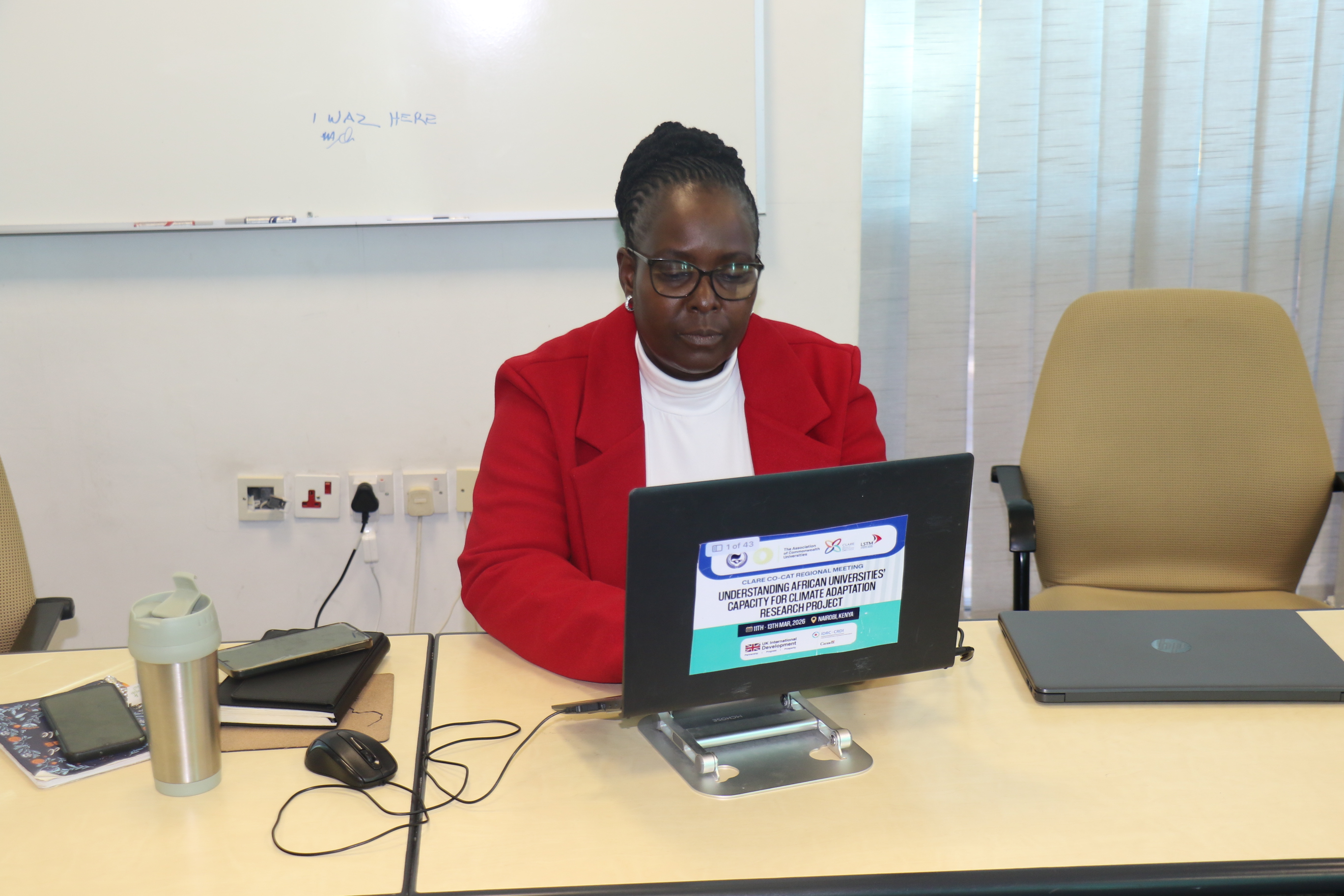 The initiative seeks to bridge the persistent gap between climate knowledge generation and its translation into practical adaptation action, positioning universities as key actors in producing evidence-based solutions, supporting policy processes and building climate-resilient communities.
At the end of the pilot phase, ORI researchers will finalise scoring outputs and produce a report highlighting institutional strengths, challenges and opportunities. The findings will guide further refinement of the CO-CAT tool and strengthen UB’s contribution to climate change adaptation research and implementation.