UB and MVA Fund Join Forces to Sensitize Students on Transition and Rehabilitation of Learners with Disabilities
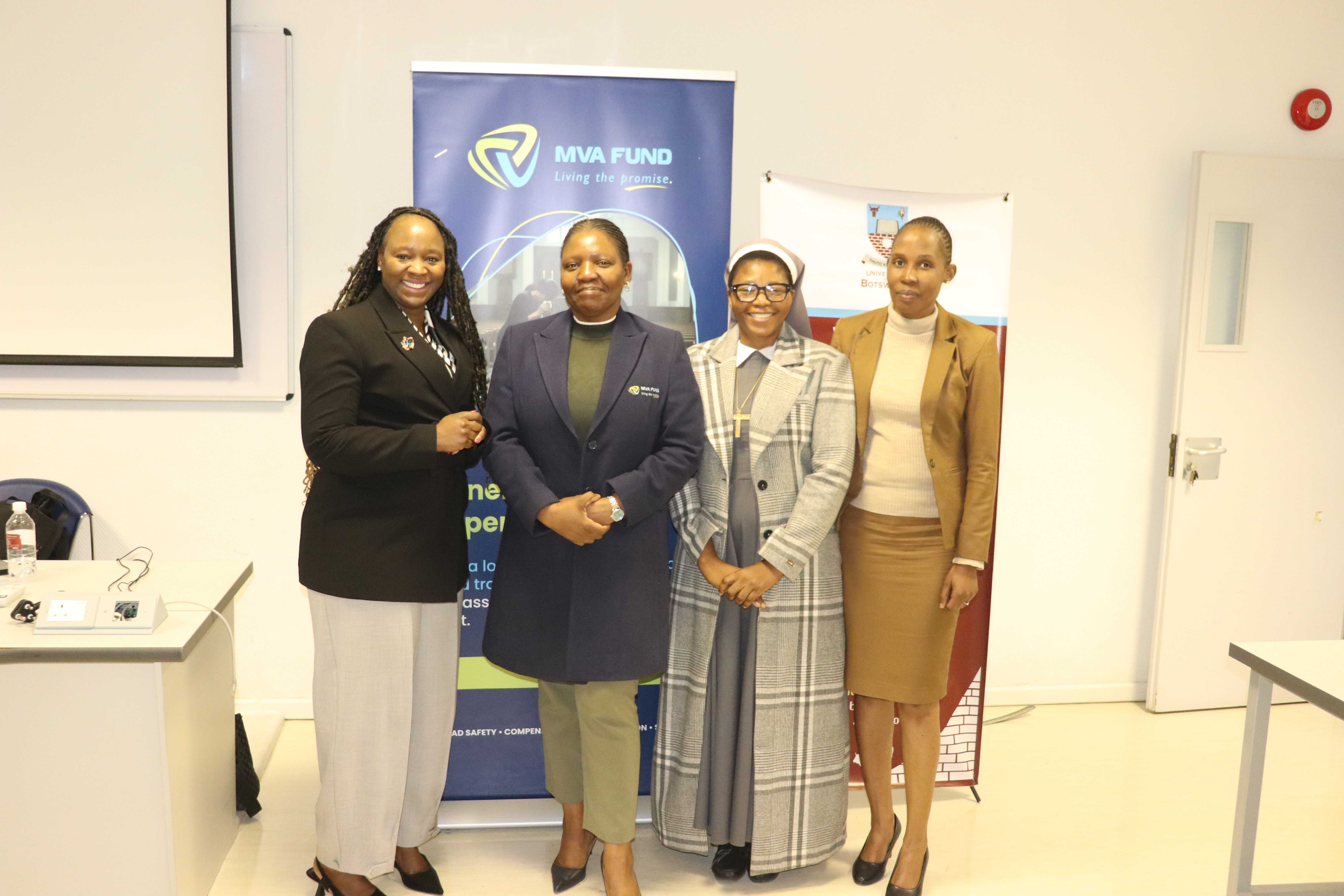 The University of Botswana (UB) and Motor Vehicle Accident Fund (MVA Fund) have continued to strengthen their collaboration through a stakeholder engagement initiative aimed at educating students on on transition and rehabilitation of learners with disabilities.
The engagement was held on the 10th of August 2026 with fourth-year students enrolled in the module Transition and Rehabilitation of Students with Disabilities at the invitation of Reverend Sister Dr Macdelyn Mosalagae.
The initiative provided an important platform for the two institutions to share knowledge and explore ways of working together to raise awareness among students about how learners with disabilities are assisted to transition in a learning environment.
Speaking at the engagement, Ms Lydia Masilo-Nkhoma, Acting General Manager Customer Service at MVA Fund shared Road Traffic Accidents (RTA) statistics which denoted a concerning trend of a disability burden on the rise. For the period under review, Ms Masilo-Nkhoma noted that more than 1000 people in Botswana were living with permanent disabilities after being involved in accidents.
She urged students to familiarise themselves with MVA Fund operations and to seek assistance early for timely intervention which could prevent permanent disabilities. She outlined that the MVA Fund covered accidents that occurred within the boundaries of Botswana in public roads.
Regarding rehabilitation, Ms Masilo-Nkhoma stressed that post accidents society must cater for an environment that allowed victims to fully recover and/or be rehabilitated. She, therefore, called on those assisting patients to adopt Assistive Technology to enhance their livelihoods. Further, she appealed to workplace and schools as well as families to uphold the human rights and dignity of those recovering from accidents as they remained human beings requiring enjoyment of their constitutional rights.
Moreover, Ms Masilo-Nkhoma cited examples of where MVA Fund intervened and was able to rehabilitate victims of RTA who in some instances came back to school to pass and get meaningful employment or returned to their workplace if they were already employed.
However, she outlined challenges inhibiting successful rehabilitation such as (limited) access to specialised rehabilitation, transport barriers, social stigma, limited assistive technology among others. To curb this, she called for partnerships hence their visit to UB.
In light of this, she added that rehabilitation was person-centric, transition planning starts early, collaboration improves outcomes and that inclusion was everyone’s responsibility.
The engagement came in handy to students studying transition and rehabilitation as road traffic accidents can result in disabilities that require long-term rehabilitation, psychosocial support and reintegration into society.
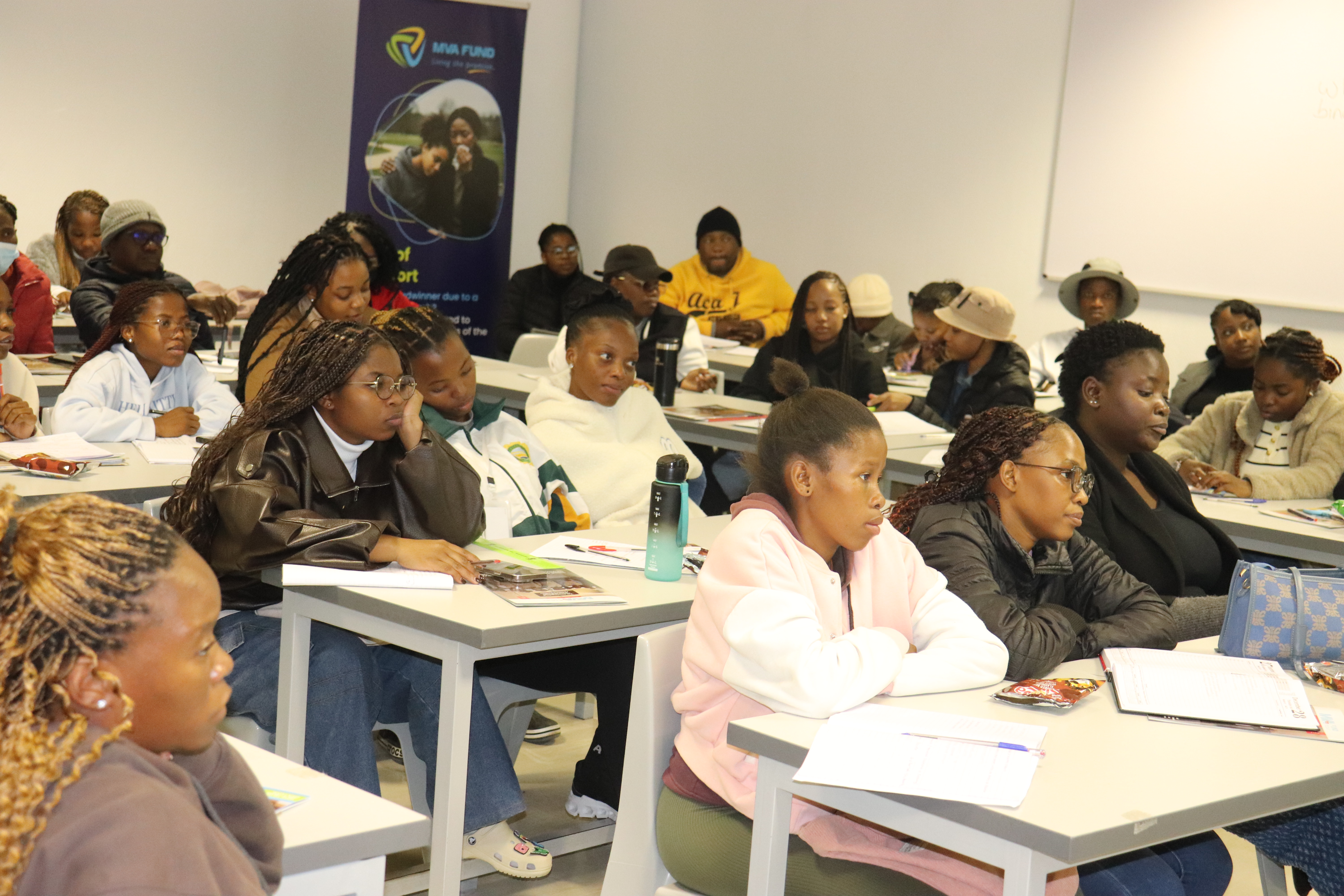 To that end the initiative also underscored the value of taking road safety education directly to students, who constitute an important segment of the population and future professionals who can influence attitudes and behaviours within their communities.
The collaboration further recognises that addressing road accidents requires a collective effort involving educational institutions, government agencies, communities and individual road users. Against this backdrop, universities provide an important environment for nurturing responsible citizens and professionals who can become advocates for safer roads.