Tsholofelo Study to Restore Hope Among Youth in Botswana Schools Amid Soaring Suicide Rates
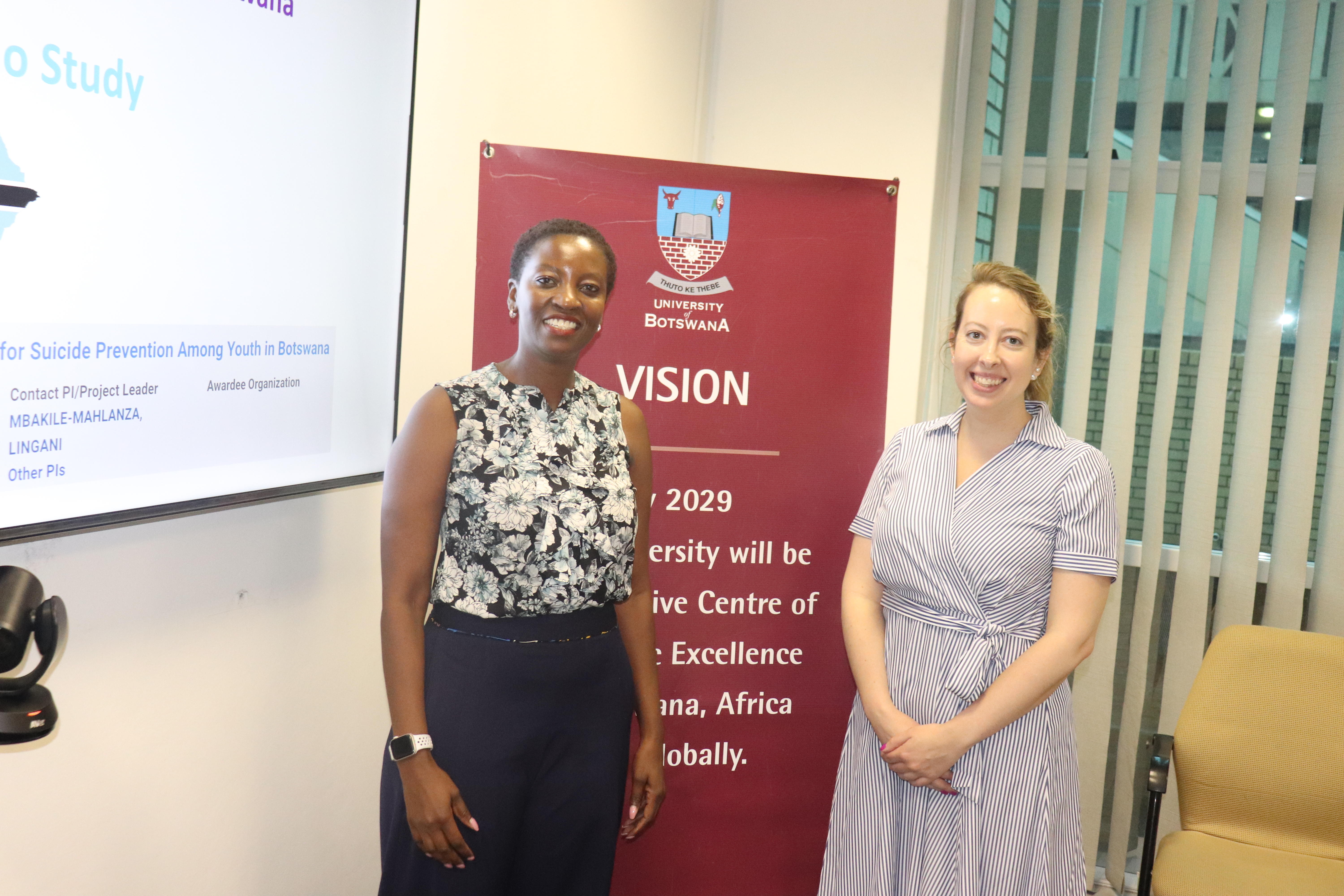 University of Botswana (UB) and Northwestern University researchers have partnered to co-design and implement a suicide prevention package (screening, assessment, safety planning intervention) in six (6) schools in Gaborone’s public sector.
For any young man or woman on the edge of a cliff and contemplating taking their own lives amidst life’s sorrows-now listen, hang on a bit! There is still hope and indeed hope there is.
This renewed sense of optimism is anchored in a new pilot study titled “Tsholofelo”, a Setswana word meaning “hope” which seeks to provide a pathway forward for young people aged 15 to 24 years. It serves as a reminder that, even in challenging circumstances, positive outcomes remain possible.
Co-led by principal investigators, Dr Lingani Mbakile-Mhlanza (UB) and Dr Amelia Van Pelt, the Tsholofelo study addresses three specific aims being: to adapt the safety planning intervention through community-engaged approaches, develop implementation strategies through contextual inquiry and implementation mapping.
Sharing with a cohort of selected school teachers and mental health experts at the study launch held at the University of Botswana Library Auditorium on the 13th of April 2026, Dr Mbakile-Mhlanza stated that in Botswana suicide disproportionately affected youth with a mortality rate among the top 25 globally. Nevertheless, she stressed that despite such a high burden, evidence-based practices for suicide prevention were not available.
To that end, the study will address this gap by targeting schools through the help of identified Guidance and Counselling teachers who deal with practical scenarios affecting students on the verge of suicide. Consequently, the study aims to mitigate such risks by proffering the suicide prevention package and hopes to reduce mortality rates as well as guiding policy direction on prevention of this scourge.
Resultantly, the study will evaluate implementation outcomes (feasibility, acceptability, appropriateness, fidelity, reach), clinical outcomes (suicidal ideation and behaviour) and mechanisms (deliverer self-efficacy and youth suicide-related coping skills) via a hybrid effectiveness-implementation type III trial. Further, it will entail devising strategies that involve a task-shifting delivery of the suicide prevention package to guidance and counselling teachers in schools to overcome the barrier of limited mental health personnel in this region.
“Achievement of the study aims will inform future scale-up of suicide prevention across schools in Botswana, thus contributing to the long-term goal of reducing death by suicide among youth,” said Dr Mbakile-Mhlanza.
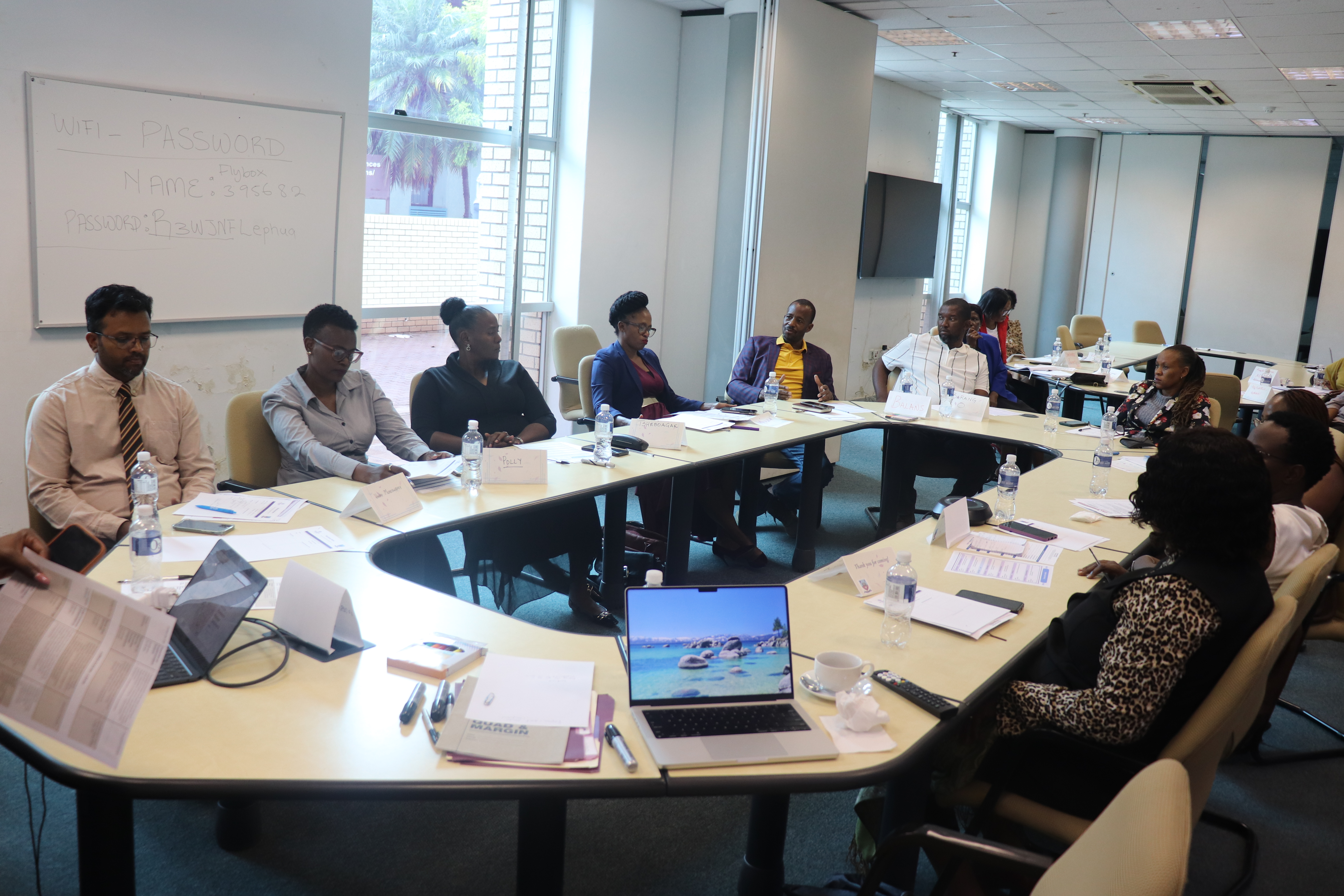 For her part, Dr Van Pelt underscored the primacy of the research in curbing suicide cases prevalent among young people. She stressed that as a pilot study it would identify gaps and try to address them to maximise outcomes. However, she emphasised that the project would run for three (3) years as a hybrid test in six (6) schools.
Meanwhile, the researchers considered several other challenges posed by secondary school teachers and pledged to further expand the study in the event of possible future funding.
The study is funded by the National Institute of Mental Health and is being co-investigated by Rinad Beidas, PhD, Jonah Meyerhoff, PhD, Zabin Patel-Syed, PhD, MPH, Kesego Mathoothe MA.