Transforming Food Waste into Opportunity: How Dr Lefadola Study Aims to Curb Tomato Wastage in Botswana
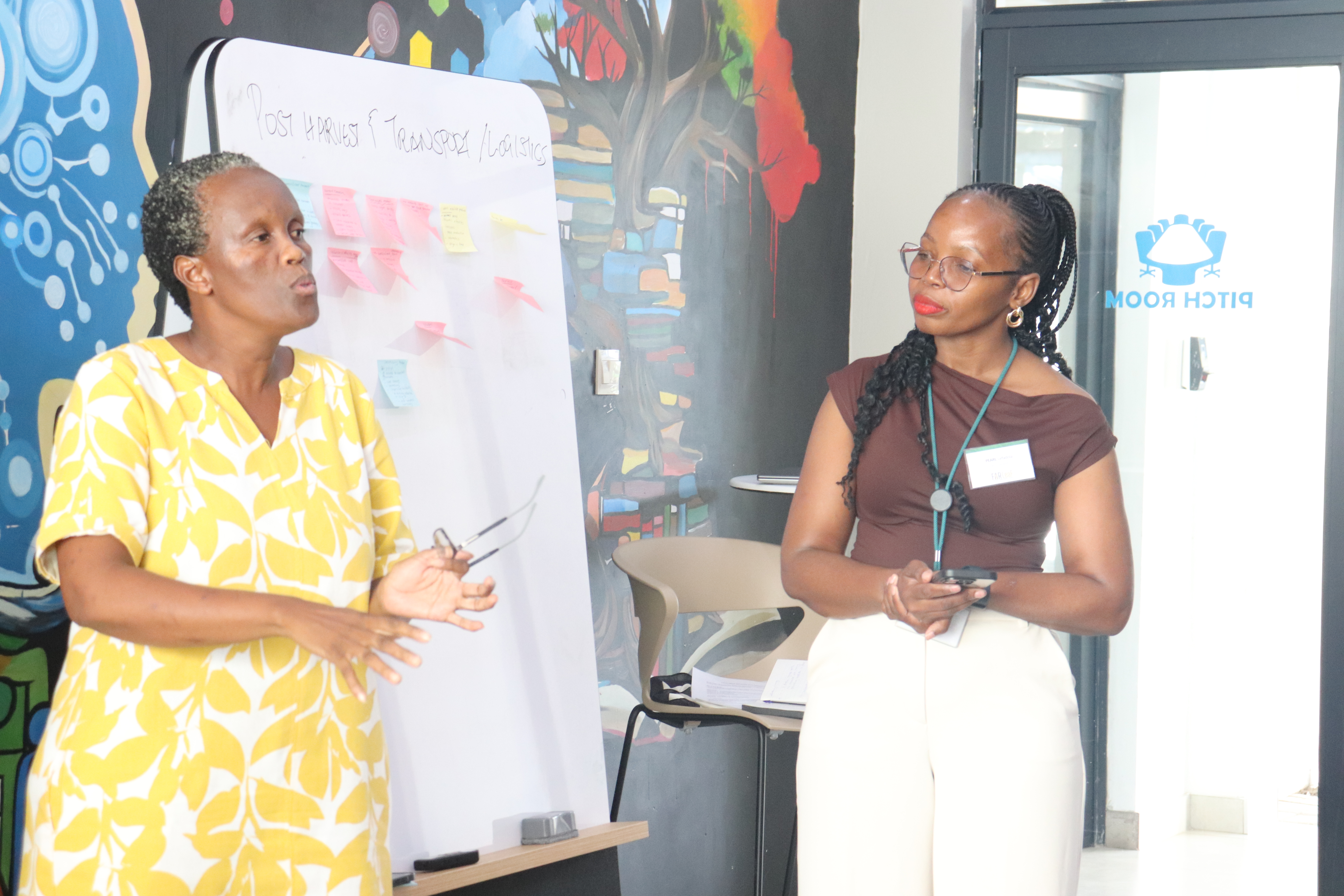 University of Botswana (UB) Senior lecturer and researcher in the Department of Family and Consumer Sciences, Dr Peal Lefadola, is pioneering an impactful study to upcycle food waste, in particular tomatoes, to make value-added products.
As Principal Investigator (PI), Dr Lefadola’s study focus is to develop a value-added upcycled food product from the food waste in the tomato supply chain in Botswana that will ultimately bring about food security. The study could prove to be just what the doctor ordered for Botswana especially at a time when the country is grappling with rising food costs and prevalent food insecurity.
Above this, at conclusion, the study aims to have reduced tomato waste, resulted in diet diversification, potential commercialisation, supporting local horticulture and knowledge production and dissemination over and above other envisaged outcomes.
Giving an overview of the project and context at a recent stakeholder meeting held at the University of Botswana, Dr Lefadola explained that globally, 30 percent of the food produced was wasted or lost annually. That was despite United Nations figures highlighting that 735 million people were food insecure.
However, in the context of Botswana, figures pointed to a worrisome picture as Dr Lefadola revealed that research showed that tomatoes were the most wasted with 28 percent produce loss. She stated that for Botswana since the 2022 vegetable ban on certain imports, there had been more wastage. She further highlighted that while the import ban was meant to improve local horticultural output, instead it resulted in more farmers facing challenges like poor quality of produce, limited farmer capacity, severity of extreme weather conditions, limited and poor infrastructure to mention but a few hence the high post-harvest losses.
Against this backdrop, the Culinary Arts and Nutrition scholar’s study will pilot ways in which Botswana can overcome the food insecurity threat by turning waste into consumable food items. What emerged from the meeting was not just theoretical interventions but a ray of hope to instigate change. It became apparent that a time had come for the country to navigate this food threat and turn it into an opportunity. Thanks to researchers such as Dr Lefadola, the vitality of such an undertaking is imminent. Therefore, to achieve this, the study will explore how a plethora of all these aforementioned challenges will be navigated for solutions.
According to Dr Lefadola, it was this kind of wastage that which created social, economic and environmental implications and impacted the Sustainable Development Goals (SDGs) 2,3 and 12 which relates to zero hunger, good health and wellbeing as well as responsible consumption and production. Even so, apart from curbing wastage, improved nutrition and food security and health the study will help curb carbon emissions due to waste and significantly contribute to environmental sustainability.
The study proposal notes thus: “The outputs of the proposed project will further enhance local food processing capabilities, knowledge acquisition and the income of the different role players in the food supply chain including women and the youth. “The upcycled product will ultimately be introduced to the Botswana market, thus contributing to the number of minimally processed tomato products available to the consumers and address the nutrition gap. This will also reduce reliance on tomato imports and avail an affordable product from upcycling the food waste.”
According to the proposal, the scholar’s six (6) key objectives are to; assess the magnitude of tomato postharvest loss in Botswana, to investigate the causes of tomato loss and waste and current mitigation strategies applied, to develop (and standardise recipe for) a value-added upcycled food product from tomato waste, to analyse the nutritional composition of the upcycled food product and to analyse the physico-chemical and functional properties of the developed food products. To evaluate the sensory qualities of the upcycled food product. Furthermore, the study will be conducted in three (3) areas being Kgatleng, Central and North-East districts identified by the researcher as principal tomato production places in Botswana.
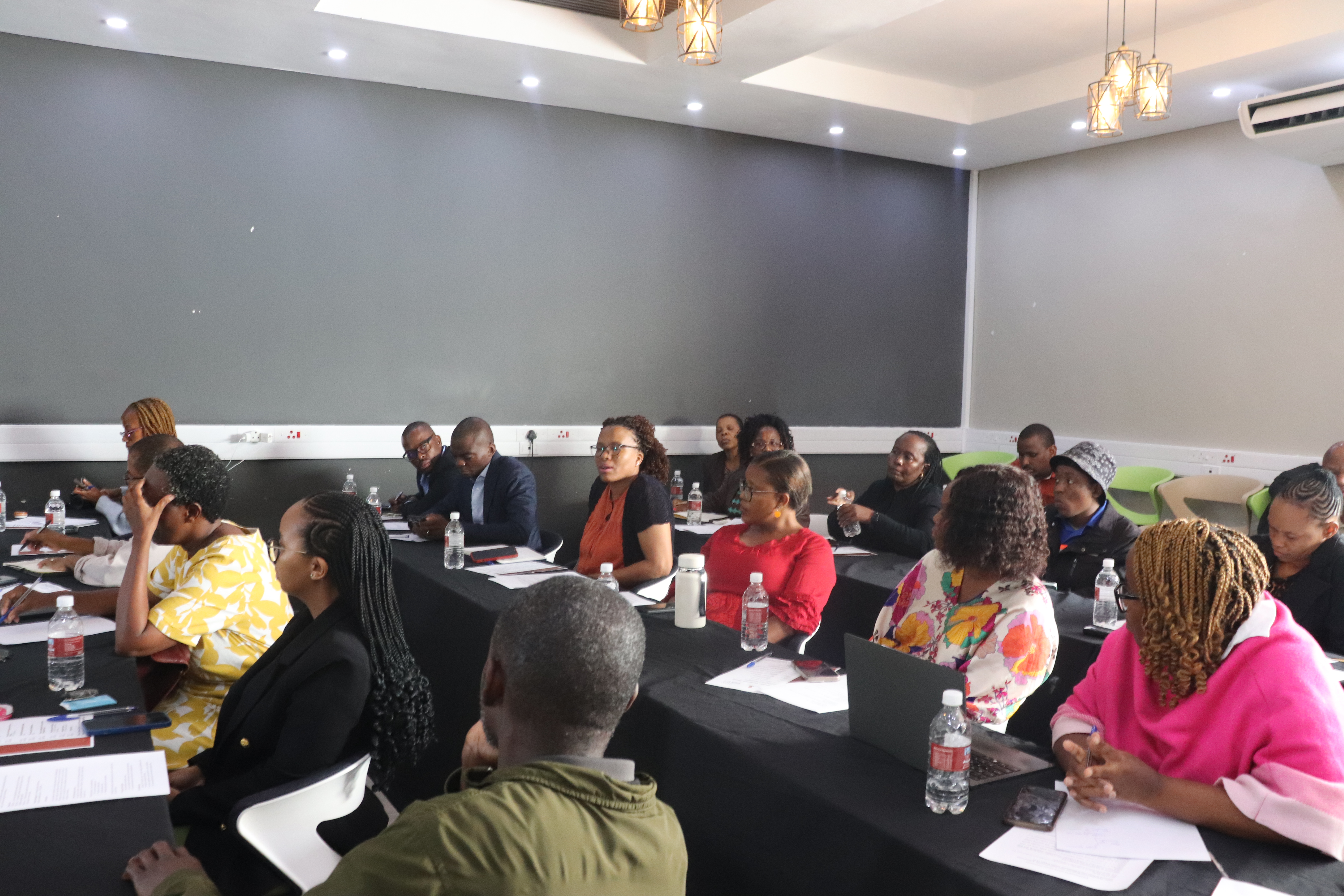 By the end of the study, it is envisaged that the generated knowledge will add to new knowledge on food waste and upcycling in Botswana and be able to facilitate knowledge transfer within the tomato value chain in Botswana.
Moreover, according to the 2023 State of Food Security and Nutrition in the World, 26.7 percent of the households translating to (700 000) people were severely food insecure.
To that end, the stakeholders meeting proved timely as different food experts from government, academia, civil society and private sector all shared the same consensus that time was ripe to make use of the waste to create a food secure Botswana now and for the next generations.