Safeguarding the Okavango Delta Starts in the Laboratory as ORI Seeks Strategic Partnerships
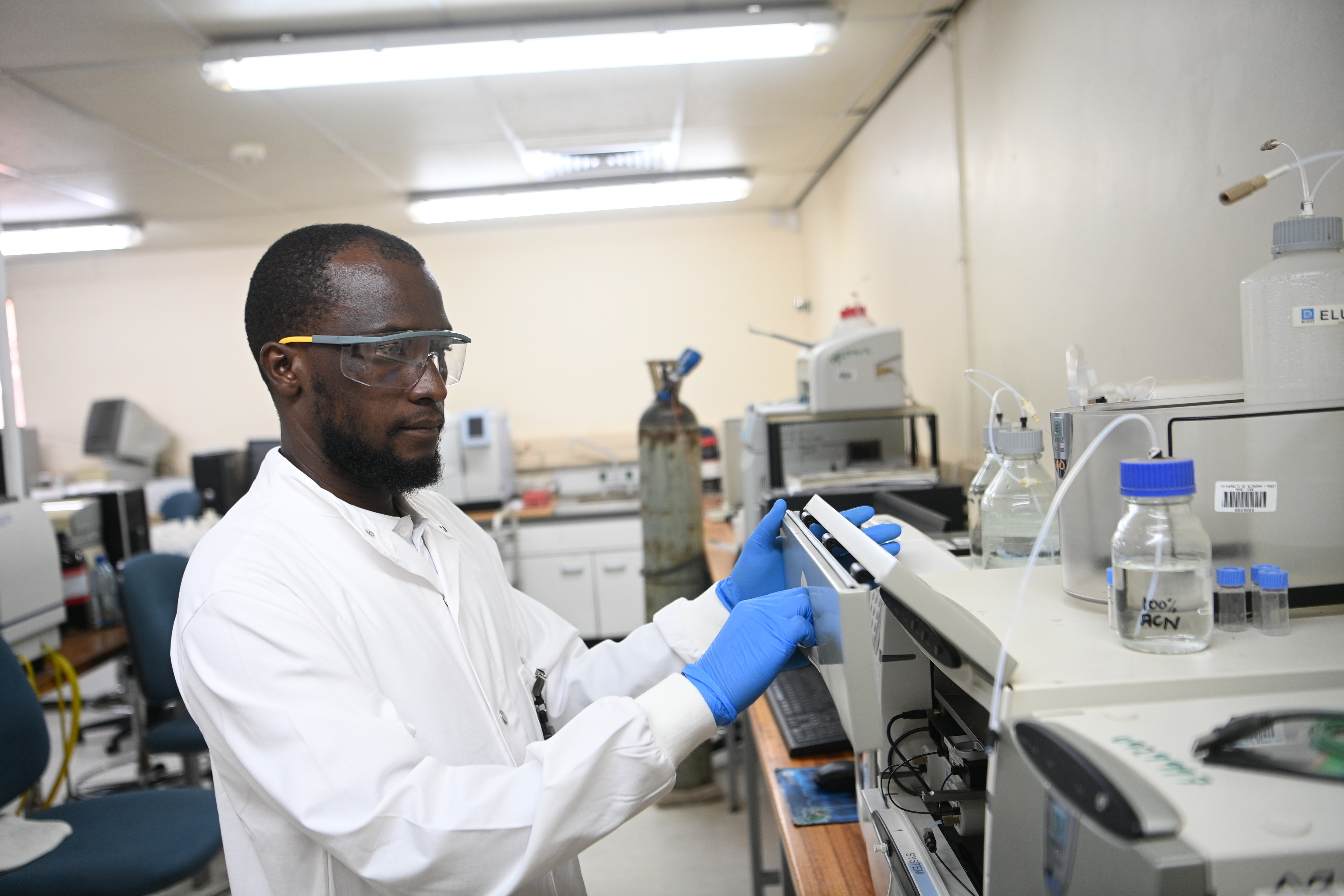 For many people, the Okavango Delta is defined by its vast waterways, rich biodiversity and thriving tourism industry. Yet behind efforts to protect this globally significant ecosystem lies an equally important resource: scientific evidence. From monitoring water quality and environmental health to supporting conservation and sustainable development, reliable laboratory analysis plays a crucial role in ensuring that decisions affecting the Delta are based on sound science.
At the centre of this work is the Environmental Laboratory at the University of Botswana's Okavango Research Institute (ORI) in Maun. Serving researchers, communities, farmers, tourism operators and government agencies, the laboratory has become a vital scientific hub for the Okavango region. To enhance its impact and credibility, ORI is now appealing for strategic partnerships to support the laboratory's international accreditation and modernisation.
Located in Maun, the ORI Environmental Laboratory is the only fully-fledged facility in northern Botswana dedicated to environmental research, teaching and scientific analysis. Its strategic location at the heart of the Okavango region places it at the frontline of efforts to monitor and protect the ecological integrity of the Okavango Delta and wider Okavango River Basin.
ORI Technical Research Services Manager, Mr Kelebileone Kaisara, says the laboratory provides a wide range of analytical services including testing for water quality, heavy metals, soil nutrients, minerals and microbiological contaminants. Mr Kaisara explains that the services are critical for environmental management, public health, agriculture, tourism and natural resource conservation.
For tourism operators in particular, he adds that environmental monitoring has become increasingly important. Lodges, camps and safari operators within and around the Delta rely on scientific testing to ensure that their activities comply with environmental standards and do not compromise the fragile ecosystem upon which the tourism industry depends, reckons Mr Kaisara. Water quality monitoring, wastewater testing and environmental assessments play an important role in maintaining the sustainability of tourism operations while safeguarding one of Botswana's most valuable natural assets.
The laboratory also supports local communities whose livelihoods are directly linked to the health of the Delta ecosystem. Mr Kaisara explains that by providing scientific evidence on water quality and environmental conditions, the facility contributes to informed decision-making on issues affecting human health, agriculture, fisheries and ecosystem sustainability.
Beyond routine testing, the laboratory serves as a centre for research, innovation and human capital development. It supports researchers from diverse disciplines, provides practical training for graduate students and offers specialised short courses to government departments, private companies and community organisations. According to Mr Kaisara, the laboratory has continued to make a significant contribution despite operating under resource constraints.
“Although we provide our services at minimal cost, the laboratory has had a significant impact on communities in and around the Okavango region,” he says. “We conduct short courses upon request, support students and undertake routine laboratory analyses for horticultural farmers, safari operators and other clients.”
Mr Kaisara notes that the laboratory's services are utilised well beyond Ngamiland, with samples regularly received from areas such as Gaborone and Selebi-Phikwe.
“We have a substantial amount of equipment and are among the most advanced environmental laboratories in Sub-Saharan Africa. This enables us to undertake a broad scope of environmental analyses,” he says.
To maintain the quality and reliability of its services, the laboratory participates in quality assurance programmes offered by the Botswana Bureau of Standards (BOBS), the South African Bureau of Standards (SABS) and the Wageningen Evaluating Programmes for Analytical Laboratories (WEPAL). However, ORI believes that achieving ISO/IEC 17025 accreditation through the Southern African Development Community Accreditation Services (SADCAS) represents the next important milestone in the laboratory's development.
Accreditation would provide internationally recognised validation of the laboratory's competence, strengthen confidence in its results, improve operational efficiency and enhance opportunities for regional collaboration and service provision. It would also elevate the laboratory's standing as a centre of excellence capable of supporting environmental monitoring and research across the region.
Mr Kaisara acknowledges, however, that attaining accreditation requires substantial financial investment. At the same time, the laboratory faces challenges associated with ageing equipment, high maintenance costs and the need to replace instruments that have 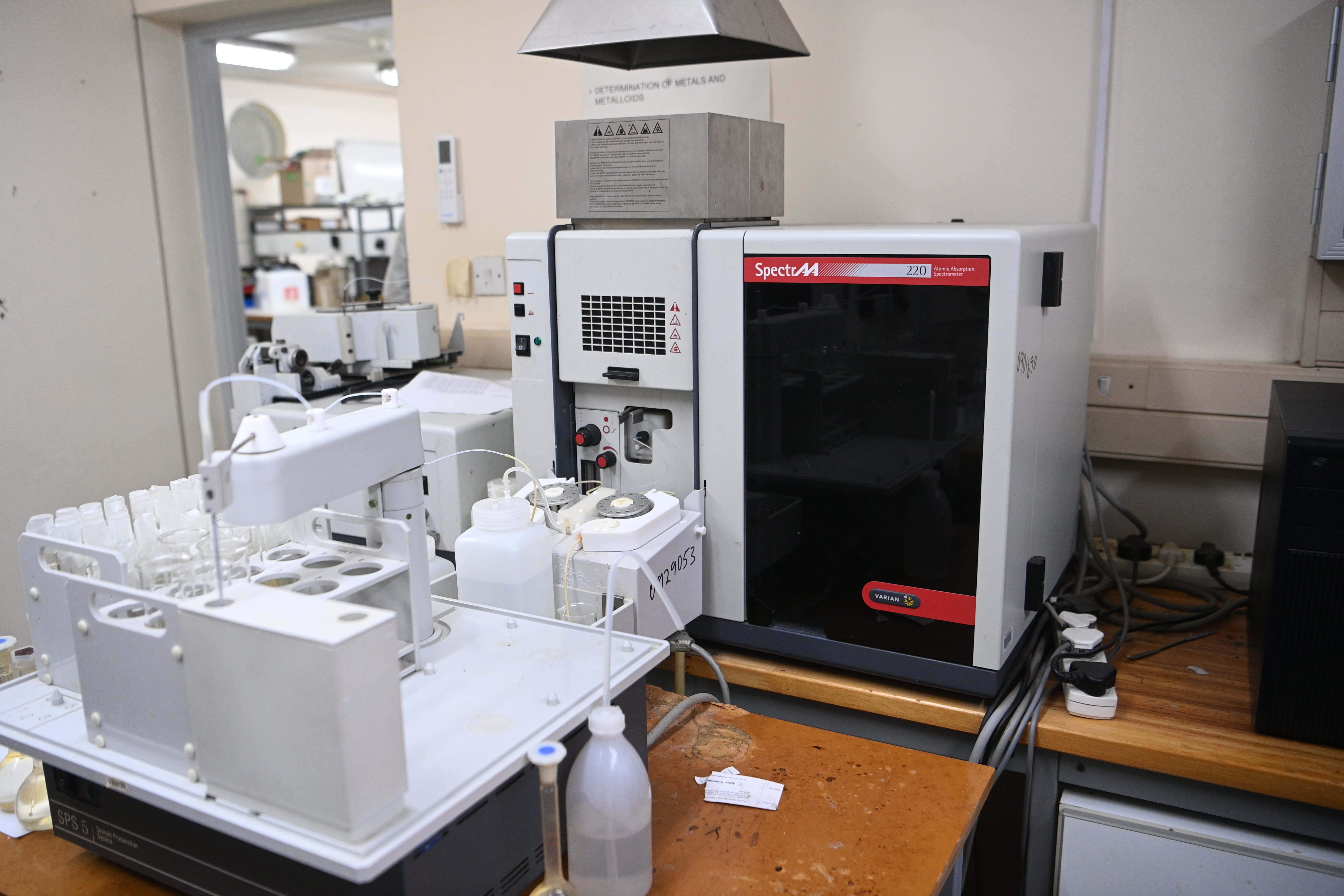 become obsolete.
“Any form of collaboration that can assist us in attaining accreditation will be welcomed,” he says.
He adds that support towards modernising equipment and infrastructure would significantly enhance the laboratory's ability to respond to growing demand for environmental testing and analysis. For ORI, the appeal for strategic partnerships is ultimately an appeal to protect a globally significant ecosystem and the industries and communities that depend on it. As pressures from climate change, population growth and economic development continue to intensify, the need for credible scientific evidence and environmental monitoring has never been greater.