Rethinking Spirituality, Gender and Agency in Contemporary Africa
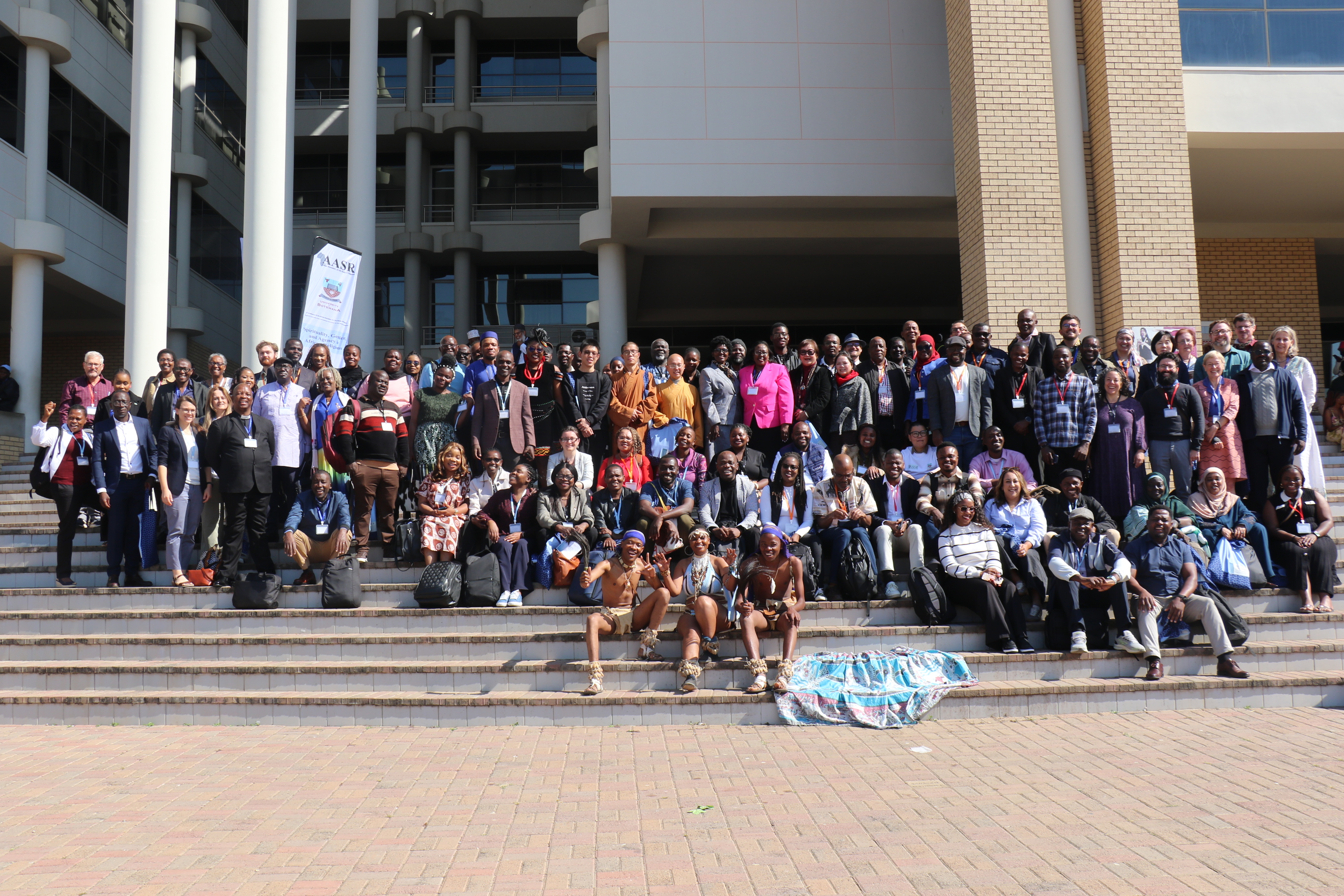 Religion and spirituality continue to shape Africa’s social, cultural and political landscape, influencing identity, gender relations, community life, healing practices and the way individuals and communities exercise agency. The intersections were at the centre of discussions at the 10th Biennial Conference of the African Association for the Study of Religions (AASR), which explored how African religious traditions can contribute to understanding and addressing contemporary challenges.
The three-day conference, held at the University of Botswana (UB) from the 28th – 30th of July 2026, brought together scholars, researchers and practitioners from Africa and beyond under the theme “Spirituality, Gender and Agency in African Religions.”
In her remarks, Deputy Vice Chancellor Teaching and Learning, Professor Maria Nnyepi, said gatherings such as the AASR conference were important in bringing together leading researchers and practitioners to engage in meaningful dialogue on religion and its significance in shaping African societies. She said the conference reflected a shared commitment to advancing scholarship, fostering intercultural understanding and addressing complex social, ethical and developmental challenges facing the continent.
Executive Dean of the Faculty of Humanities, Education and Social Sciences, Professor Thapelo Otlogetswe, welcomed delegates and expressed UB’s pride in hosting scholars, researchers and religious leaders from across Africa and beyond. Professor Otlogetswe emphasised the importance of academic collaboration in advancing knowledge on African religions and encouraged participants to develop research that responded to contemporary social challenges.
 For his part, Professor Phillip Ohlmann said the theme opened a rich field of inquiry into how religion and spirituality shape people's agency and interact with gendered identities and social structures. He noted that religion could serve both as a resource for communities and as a space of contestation, making its study particularly important in understanding contemporary African societies.
Opening the conference, AASR President, Professor Damaris S. Parsitau described the gathering as a significant milestone for the Association and a reflection of the enduring commitment of scholars dedicated to advancing the study of religion in Africa. She encouraged participants to engage fully in the deliberations, share innovative research, mentor emerging scholars and strengthen networks of collaboration across the continent.
Delivering the keynote address, Professor Ezra Chitando focused on “Co-Creating Knowledge for Holistic Liberation,” arguing that knowledge about African religions should not be produced by academics alone. He called for collaboration among scholars, religious leaders, women, youth, traditional practitioners and local communities, emphasising that African religions were living and dynamic traditions that continued to shape the continent’s moral, cultural and spiritual life.
The conference reaffirmed the importance of collaborative research that values indigenous knowledge, promotes gender equity and strengthens the agency of marginalised communities. It also underscored the role of African scholarship in generating knowledge that can contribute to social transformation and development on the continent and beyond.