Research Must Drive Conservation and Development in the Okavango - Prof Murray-Hudson
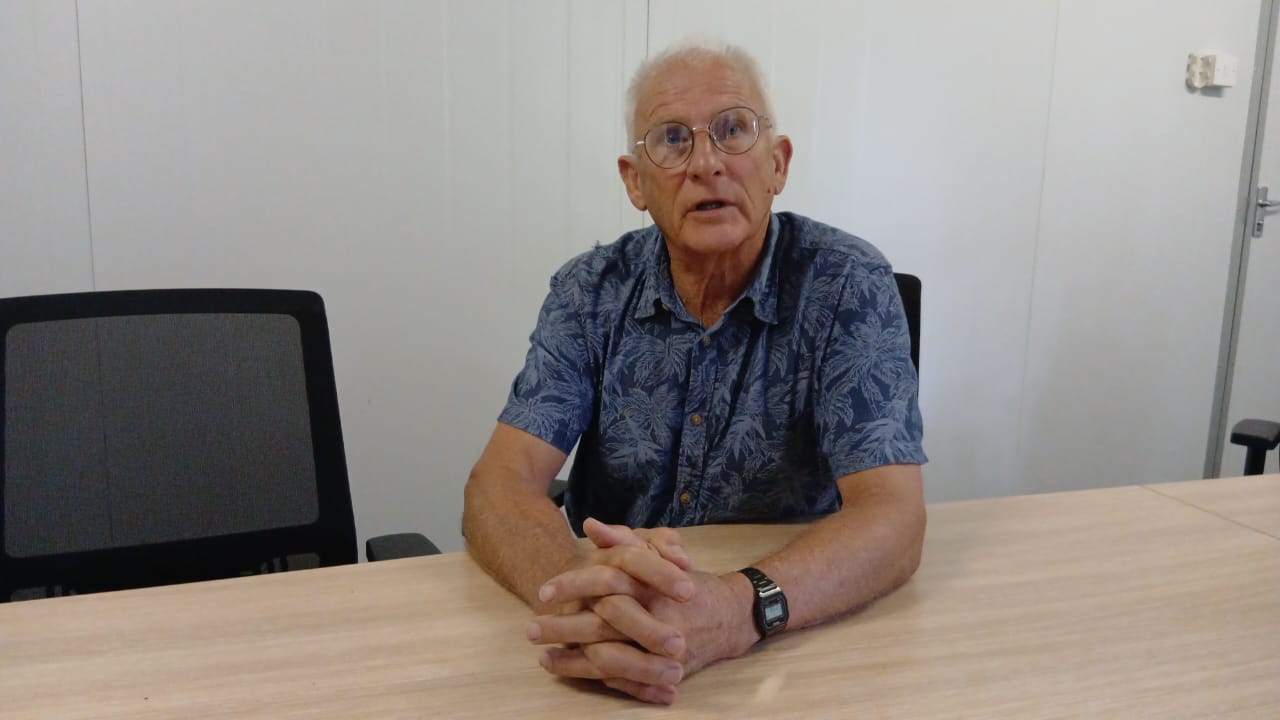 The value of environmental research lies not only in generating knowledge but also in shaping policies, protecting ecosystems and improving livelihoods. This is the overriding message from Professor Michael Alan Murray-Hudson, a leading wetland ecologist and long-serving researcher at the Okavango Research Institute (ORI), as he reflects on the contribution of research to Botswana's development and the challenges confronting scientific inquiry.
Professor Murray-Hudson highlights the significance of research conducted in and around the Okavango Delta, noting that scientific investigations have helped the world better understand one of Africa’s most important wetland ecosystems. Through extensive studies on groundwater, vegetation, wildlife movements and ecosystem processes, researchers have generated evidence that continues to inform environmental management and conservation strategies.
Among the notable projects he references are studies examining groundwater systems and their interaction with ecological processes. Some of these projects received international support including funding from French and European partners, demonstrating the importance of global collaboration in advancing environmental science in Botswana.
According to Professor Murray-Hudson, research has been instrumental in helping policymakers and government institutions make informed decisions. He notes that scientists have frequently contributed to policy development by providing evidence-based recommendations and identifying areas where management approaches could be improved.
“We have been able to help government and other authorities develop their monitoring systems and improve environmental management,” he says, adding that research findings have often highlighted policy gaps and opportunities for better resource governance.
One of the most significant contributions of research, he explains, has been in promoting community-based natural resource management. He states that scientific evidence generated by ORI and its partners has strengthened understanding of how communities can play a meaningful role in conservation while also benefiting from sustainable resource use.
Professor Murray-Hudson also points to research on wildlife particularly elephants, as an example of how science can contribute to solving complex environmental and socio-economic challenges. However, regarding elephants, he stresses that while their populations are often viewed as a conservation success story, he argues that their impacts on ecosystems, vegetation and local livelihoods require careful study and management.
“The elephant issue is not only a conservation matter; it is also an ecological and development issue,” he observes. Understanding the long-term effects of growing elephant populations on habitats and communities is, therefore, critical for informed decision-making.
He further emphasises that environmental research has helped reveal the ecological importance of the Okavango Delta to the global community. Thus, research findings have demonstrated how the delta contributes to biodiversity conservation, climate regulation and sustainable livelihoods, reinforcing its status as one of the world’s most treasured wetland systems.
Nonetheless, despite these achievements, Professor Murray-Hudson expresses concern about the challenges confronting research institutions in Botswana. Chief among these is the lack of sustainable funding for research activities. He notes that Botswana does not yet have a robust national research funding mechanism capable of supporting long-term scientific investigations. He says as a result, researchers often depend on external partners and international collaborators to secure financial resources.
“There is no national research foundation funding research at the level we need,” says Professor Murry-Hudson. “We are often forced to look outside the country and beyond Africa for support.”
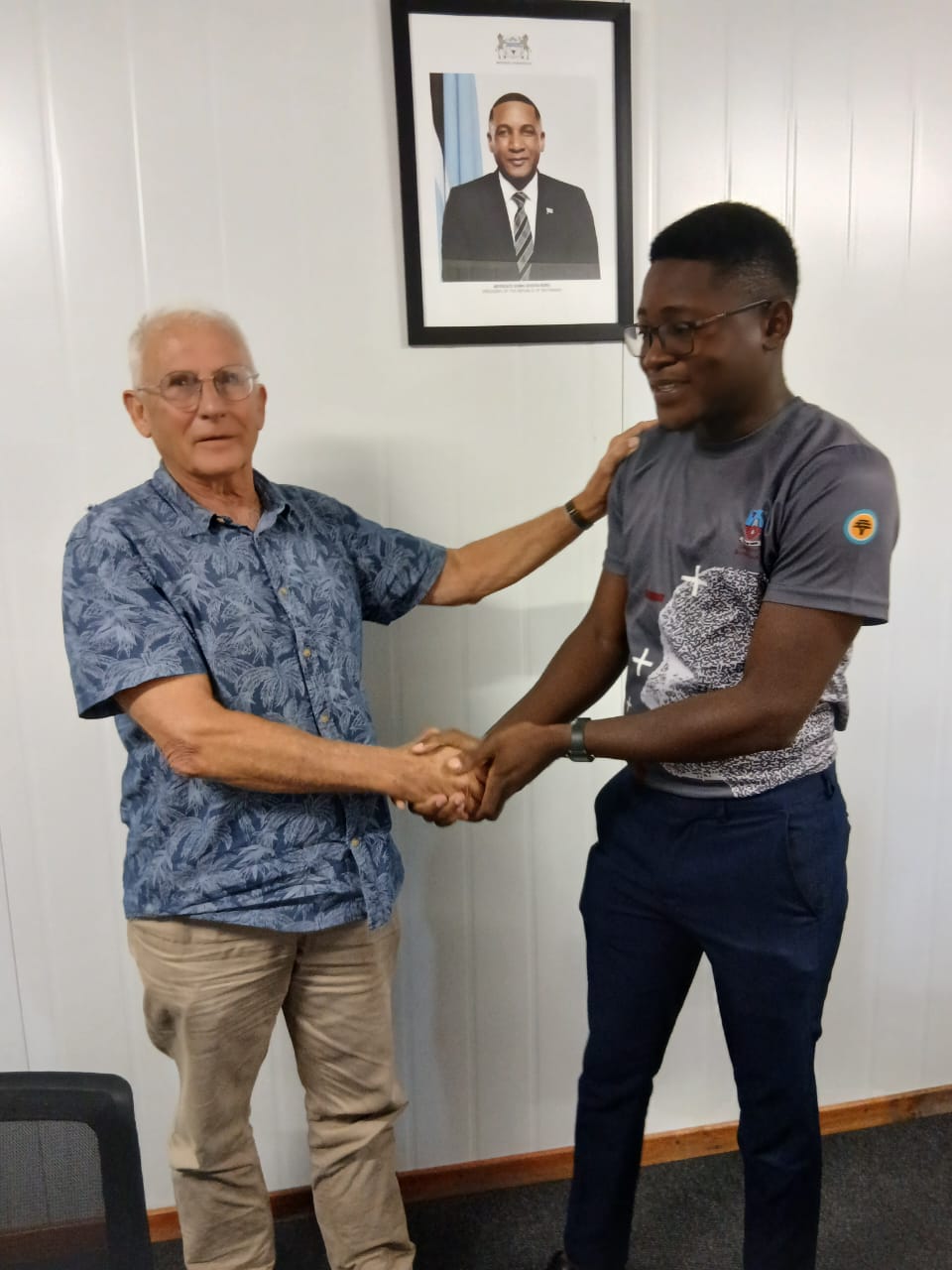 He is of the view that reliance on foreign funding while beneficial in many respects, creates uncertainties and can limit the ability of local institutions to pursue research priorities independently. Resultantly, Professor Murray-Hudson emphaises the need for greater national investment in science, research and innovation to ensure Botswana develops its own research capacity and knowledge base.
In addition, he also highlights the importance of maintaining strong relationships with international collaborators, noting that partnerships have played a vital role in advancing research and building expertise over the years. Charting a way forward, Professor Murray-Hudson calls for more deliberate engagement with communities living in and around environmentally sensitive areas such as Ngamiland. He argued that conservation efforts are most effective when local people are active participants rather than passive beneficiaries. For him, the future of Botswana’s environmental stewardship depends on a combination of sound science, informed policy, community involvement and sustained investment in research.
As pressures from climate change, population growth and competing land-use demands continue to intensify, Professor Murray-Hudson believes research will remain indispensable. The challenge now is ensuring that Botswana creates the institutional and financial conditions necessary for science to continue guiding conservation, development and the sustainable management of its natural resources, he underscored.