Remembering the Young Lives Behind Botswana’s University Dream
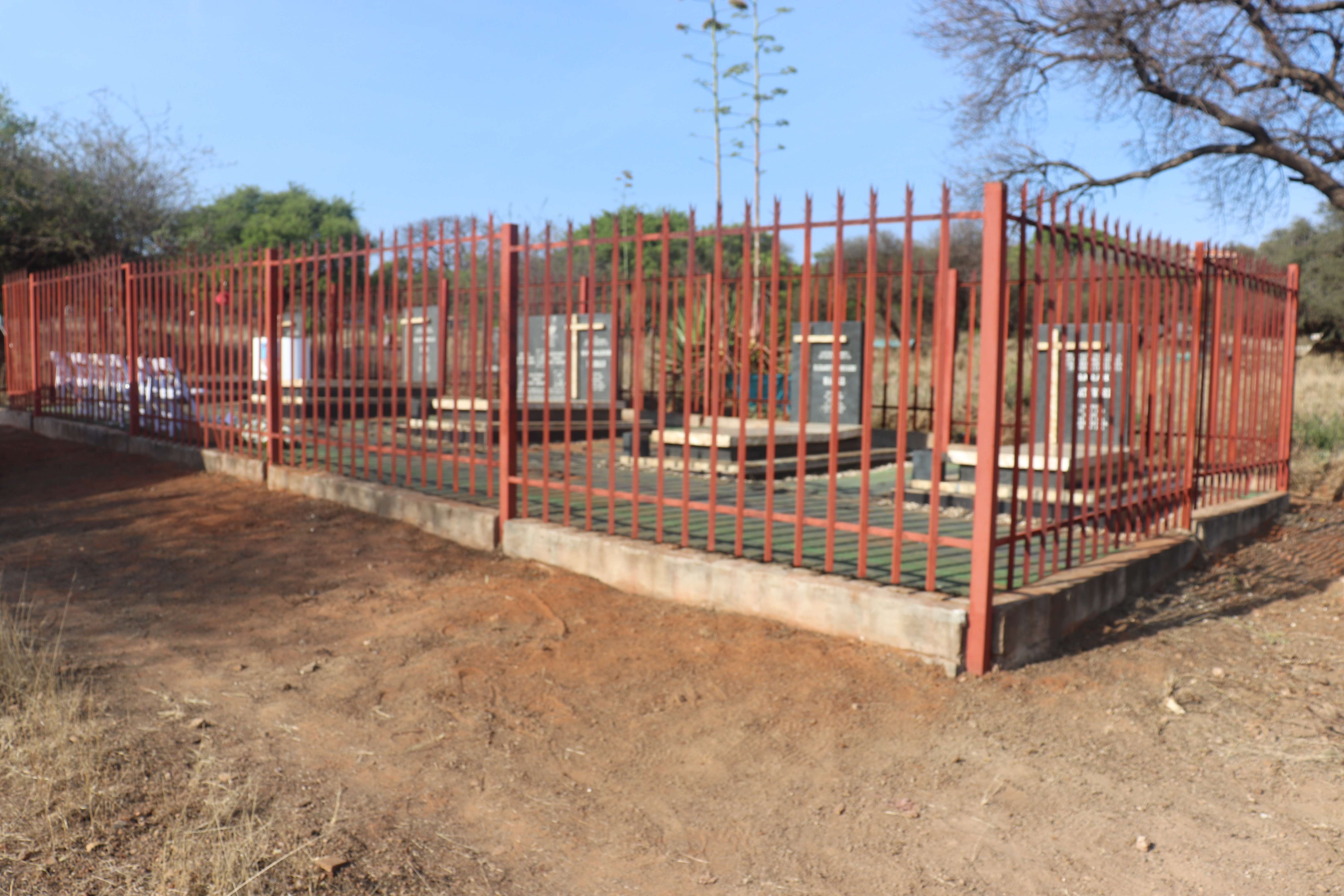 Six (6) days before Botswana marked its 60th year of independence, the University of Botswana (UB) returned to the graves of five (5) young people whose lives were cut short while helping to build the dream of a university for their country.
On the 24th September 2026, UB staff, relatives of the deceased, tribal leaders among them Kgosi Rasebolai Khamane, local authorities and district administration officials from Serowe gathered at the graves to remember Fantisi Gaotlhobogwe (27), Sarah Mathware (16), Magdalene Khumalo (18), Maitumelo Kgari (15) and Elizabeth Masake (18), who lost their lives in a tragic road accident in 1976.
The commemorative visit, organised by the UB, brought prayer, reflections and the cleaning of the gravesite. However, beneath the solemnity of the occasion was a much bigger story: the story of young Batswana who believed in the dream of a university built by their own country and were prepared to contribute to making that dream a reality.
Their story belongs to the same remarkable period in which young people across southern Africa were challenging the forces that sought to determine their future.
In June 1976, thousands of students in Soweto took to the streets in protest against apartheid's education policies. Their uprising became one of the defining moments in the struggle against apartheid. In Botswana, the struggle took a different form.
The country was confronting a crisis of its own. When Lesotho decided to nationalise the University of Botswana, Lesotho and Swaziland (UBLS), Botswana was left without a university of its own. More than 1000 Batswana students were suddenly stranded. The government of Botswana had to hire a bus at a cost of R3000 to ferry students to the nearest railway station in South Africa so they could return home.
The experience exposed the vulnerability of a newly independent country that still depended heavily on its neighbours for higher education. It also strengthened Botswana's determination to develop its own university and build the human resources needed to sustain an independent nation.
The late Former President, Sir Seretse Khama, responded by rallying the nation behind the Botswana University Campus Appeal (BUCA). The campaign became popularly associated with the call Motho le Motho Kgomo, the belief that every person had something to contribute to the building of the nation.
And contribute they did. Communities, businesses, organisations and individuals joined the campaign. Among them were students at Swaneng Hill School in Serowe. Young as they were, they took up the cause, organising themselves to raise funds towards the establishment of a university that Botswana desperately needed. Then tragedy struck.
On their way to a community hall for a fundraising event, the students were involved in a fatal road accident. Four young girls and their driver died.
Fantisi Gaotlhobogwe, Sarah Mathware, Magdalene Khumalo, Maitumelo Kgari and Elizabeth Masake.
Just like Sir Seretse Kahama, they never saw the university whose creation they had sought to support. They never saw the generations of Batswana who would eventually pass through its gates. They never witnessed the institution grow into one of the country's most important centres of education, research and national development.
Notwithstanding, their contribution was made nonetheless. Fifty years later, the significance of their sacrifice was brought into focus at their graveside. The UB's commemorative visit on the 24th of September 2026, just days before the nation celebrated its 60th Independence Day on the 30th of September, was a reminder that institutions are not built only through policies, buildings and financial contributions. They are also built through the hopes, sacrifices and actions of people who believe in something greater than themselves.
The UB that emerged from that national determination has gone on to educate generations of Batswana. Its graduates have served across government, academia, business, health, law, education and numerous other sectors, with many occupying positions of responsibility in shaping the country.
That legacy gives the Swaneng tragedy a place within the broader story of Botswana's development. As Botswana approaches six 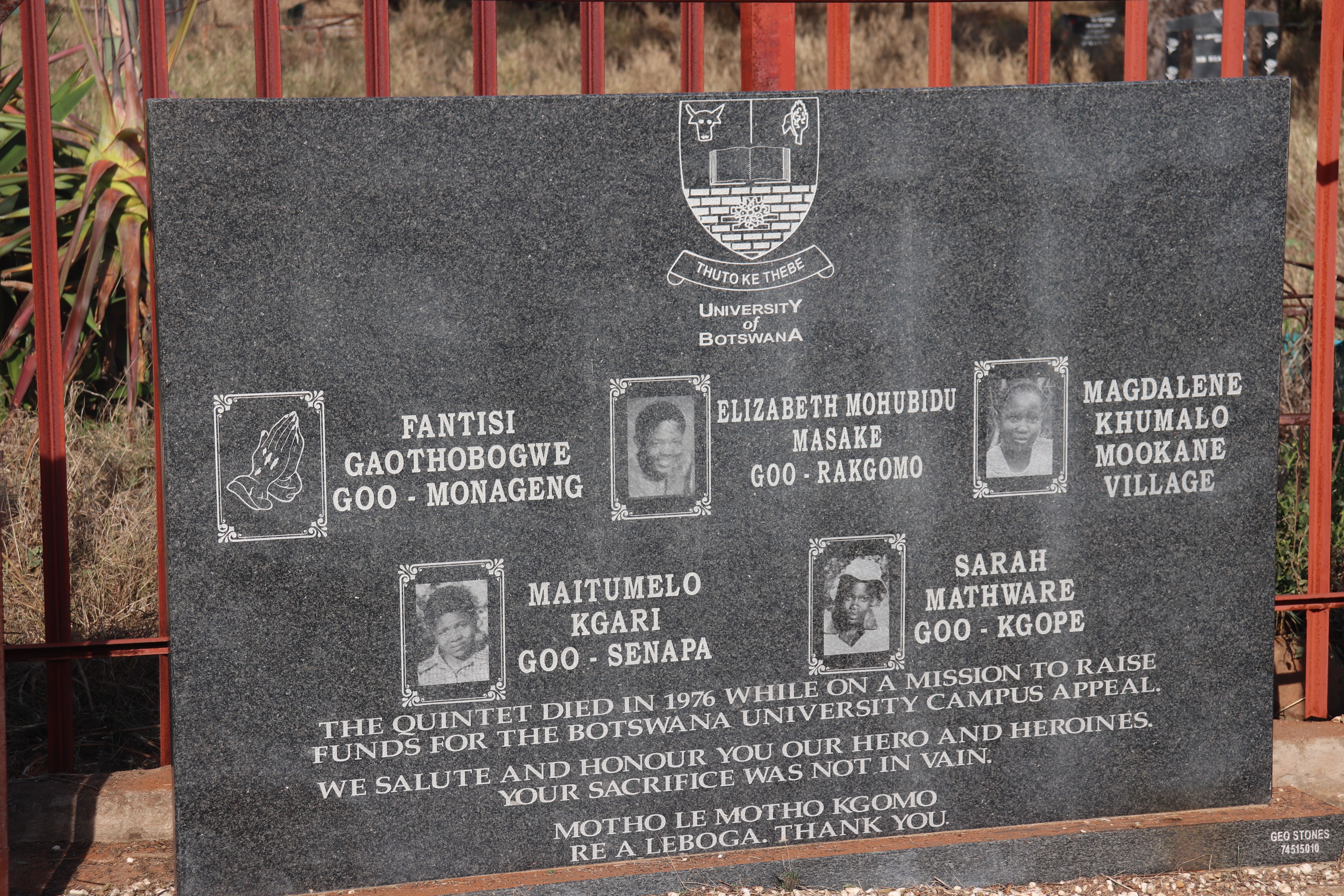 (6) decades of independence, remembering these young lives is more than an exercise in looking back. It is a recognition of the people whose contributions formed part of the foundation upon which the country's educational aspirations were built.
Their names should not become another set of forgotten figures in the long chronology of Botswana's history.
Fantisi. Sarah. Magdalene. Maitumelo. Elizabeth. They were young. They had a cause and on that fateful journey in 1976, they were carrying with them more than fundraising hopes. They were carrying a small part of a nation's dream to educate itself, build its own institutions and determine its own future.