Radiation and Health Physics Students Explore Nuclear Science Applications in South Africa
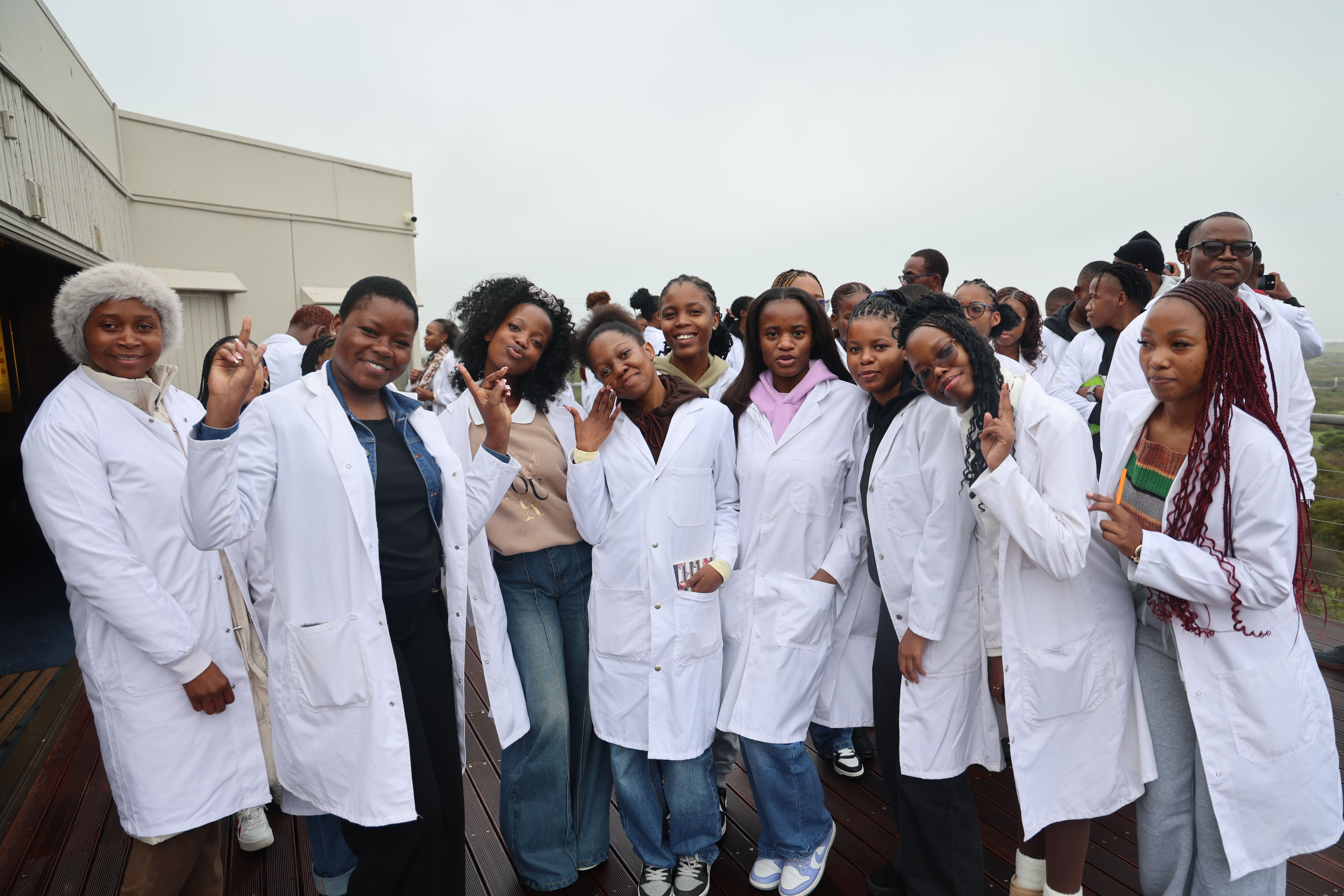 Third-year students enrolled in the University of Botswana's Radiation and Health Physics programme recently undertook an educational excursion to Cape Town, South Africa, gaining first-hand exposure to the practical applications of radiation and nuclear technologies beyond the classroom.
The three-day excursion, held from the 1st – 3rd June 2026, was coordinated by Dr Adolf Motetshwane and Dr Gaogalalwe Mokgatitswane of the Department of Physics. It formed part of the programme's commitment to providing students with experiential learning opportunities that complement their academic training.
During the visit, students toured three internationally recognised facilities: the HEPRO Food Irradiation Facility, Koeberg Nuclear Power Station and iThemba Laboratory for Accelerator-Based Sciences (iThemba LABS). Each facility exposed students to different aspects of radiation and nuclear science and demonstrated how these technologies contributed to industry, healthcare, research and national development.
At HEPRO, students learned about the use of irradiation technologies in food processing and other industrial applications. The visit provided valuable insight into the operation of a commercial irradiation facility and highlighted the safety and quality standards required in the industry.
The tour of Koeberg Nuclear Power Station, Africa's only commercial nuclear power plant, gave students a unique opportunity to learn about nuclear energy production, engineering systems, safety culture and regulatory requirements. Through presentations and discussions with plant personnel, students gained a deeper appreciation of the role nuclear power can play in meeting growing energy demands while maintaining strict safety standards.
Students also visited iThemba LABS, where they were introduced to accelerator-based science and its applications in nuclear medicine, radioisotope production, materials science and advanced research. Interactions with scientists and researchers broadened their understanding of the diverse career opportunities available within the field of nuclear science.
The excursion enabled students to connect theoretical concepts learned in lectures with practical applications in professional environments. It also highlighted the growing importance of nuclear science and technology in addressing societal challenges and supporting economic development.
The visit was particularly relevant as Botswana continues to strengthen national capacity in nuclear science and technology through initiatives such as the Botswana Institute of Nuclear Science and Technology (BINST). Exposure to established facilities provided students with valuable insight into the expertise, infrastructure and multidisciplinary collaboration required to support modern nuclear science programmes.
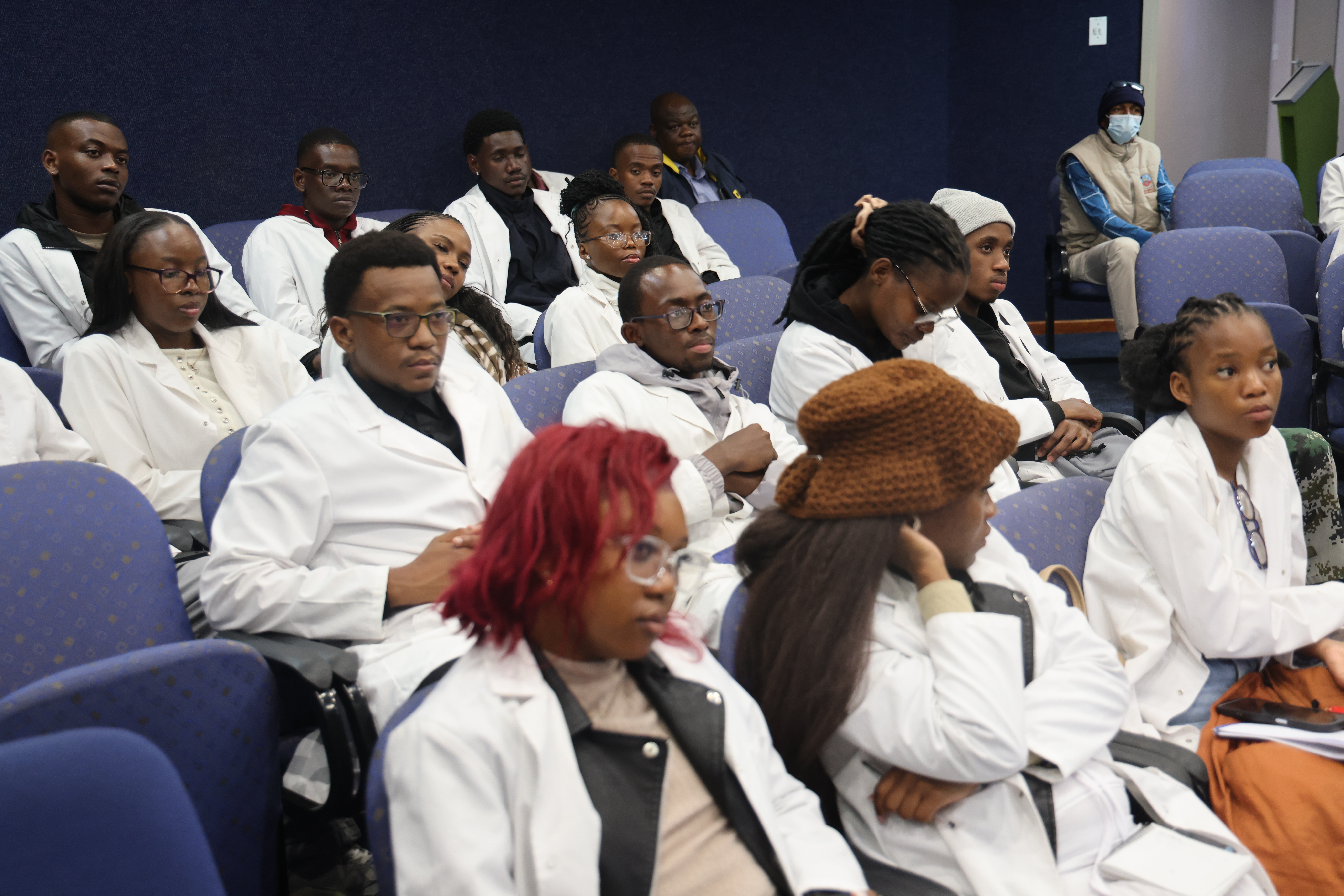 A particularly inspiring aspect of the excursion was the participation of Dr Mokgatitswane, an alumnus of the University of Botswana's Radiation and Health Physics programme. His involvement provided students with a tangible example of the opportunities available to graduates and demonstrated the impact UB alumni can have in advancing science, education and national development.
The Department of Physics expressed appreciation to the management and staff of HEPRO, Koeberg Nuclear Power Station and iThemba LABS for hosting the students and contributing to a rewarding educational experience that enriched their academic and professional development.