Professor Norris Stresses African Collaboration as Niger Explores Opportunities with UB
 For decades, many African countries have looked beyond the continent for development assistance, research partnerships and technological advancement.
While cooperation with developed nations remains important, there is growing recognition that African countries must increasingly work together to address shared challenges and unlock common opportunities.
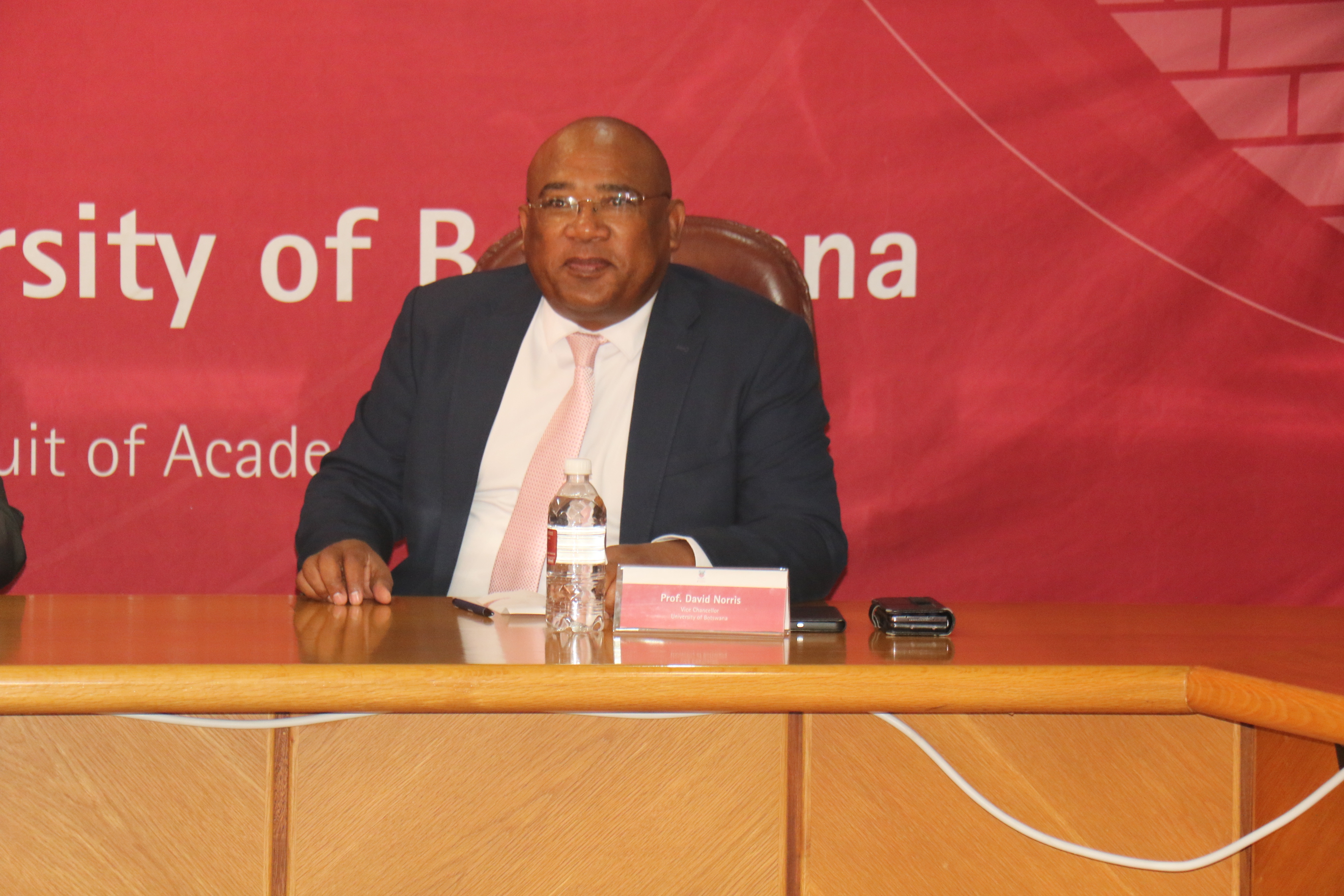
This was the central message from University of Botswana (UB) Vice Chancellor, Professor David Norris, when he recently welcomed a delegation from Niger that paid a courtesy visit to the university.
Speaking during the visit, Professor Norris underscored the importance of strengthening collaboration among African universities and nations. He noted that the continent possessed vast intellectual, natural and human resources which, if harnessed collectively, could generate innovative and sustainable solutions to Africa’s development challenges.
Professor Norris emphasised that as the world entered the era of the Fourth Industrial Revolution (4IR), driven by rapid advances in science, technology and innovation, African countries could not afford to remain on the sidelines. He said universities had a critical role to play in preparing the continent for this transformation through research, skills development and strategic partnerships.
“To achieve its transformation agenda and remain globally competitive, the University of Botswana must continue to strengthen its operations through meaningful collaborations with institutions across Africa and beyond,” he said.
The visit provided an opportunity for UB and the Niger delegation, comprising academics, government officials and policymakers, to explore areas of mutual interest and potential collaboration. Discussions focused particularly on opportunities to advance nuclear science and energy development within the university.
The proposed collaboration is expected to strengthen the teaching and research capacity of UB’s nuclear physics programme with a particular focus on areas such as medical imaging, nuclear physics education, isotope hydrology and other peaceful applications of nuclear technology. Apart from nuclear science, the engagement also identified several potential areas for future partnership including student and staff exchange programmes, joint research initiatives and academic cooperation aimed at enhancing the internationalisation of both institutions.
What emerged at the meeting was the sole view of participants who all agreed that African countries share many common challenges particularly in the areas of water security, energy sustainability, climate resilience and technological development. Therefore, they emphasised the need for African-led solutions informed by local knowledge, research and innovation.
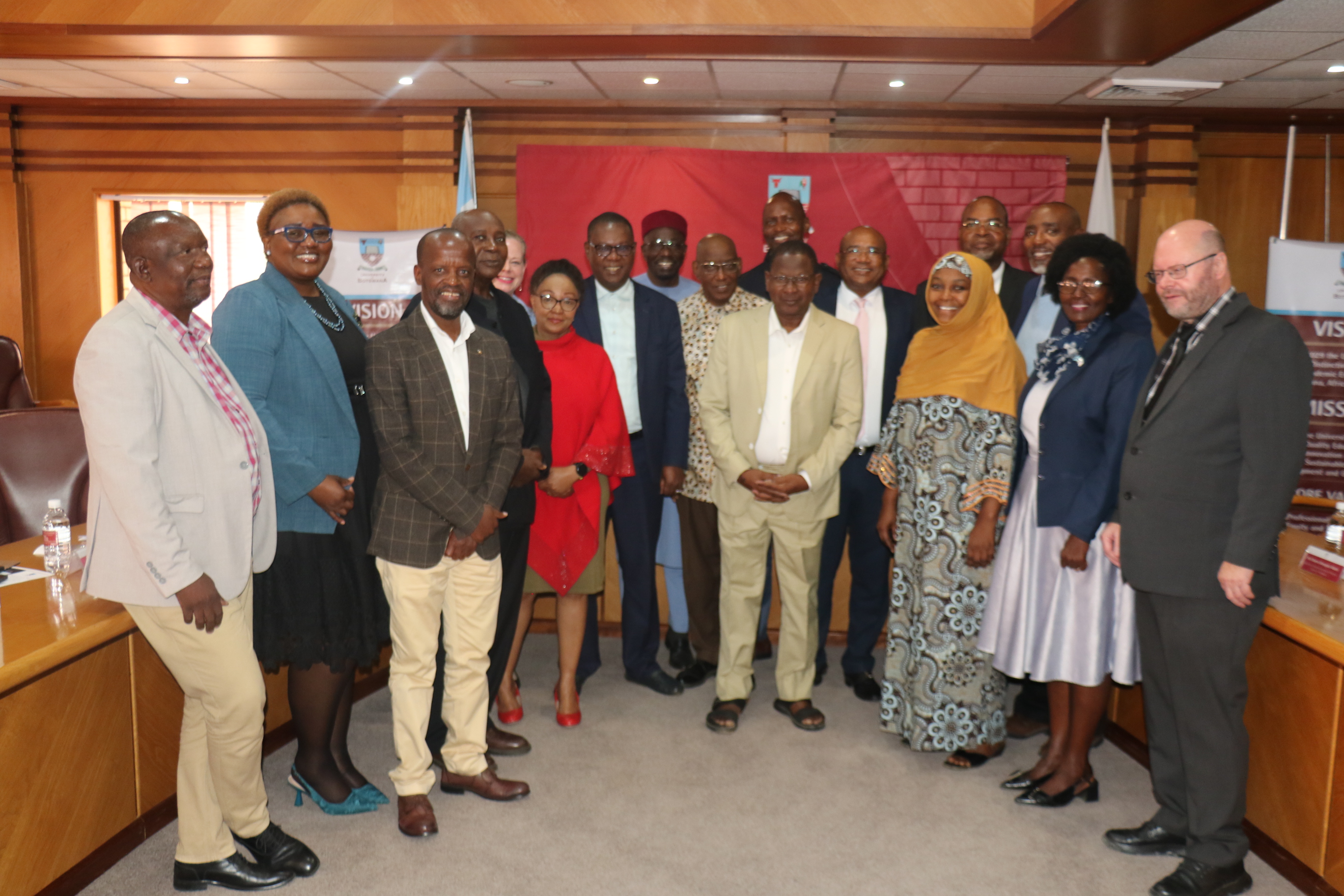 The discussions highlighted the importance of fostering stronger networks among African institutions of higher learning to facilitate knowledge sharing, capacity building and the development of home-grown solutions to continental challenges.
The visit culminated into a tour of several facilities across the University. These included the Physics laboratories, Faculty of Engineering and the Built Environment (FEBE) and selected sporting facilities including the university’s swimming pool. This was for the delegation to better appreciate UB’s academic and research infrastructure.
The visit marked another step in UB’s efforts to expand its continental footprint and strengthen partnerships that contribute to knowledge creation, innovation and sustainable development across Africa.