Professor Fynn Advocates Smarter Rangeland Management for Farmers in Botswana
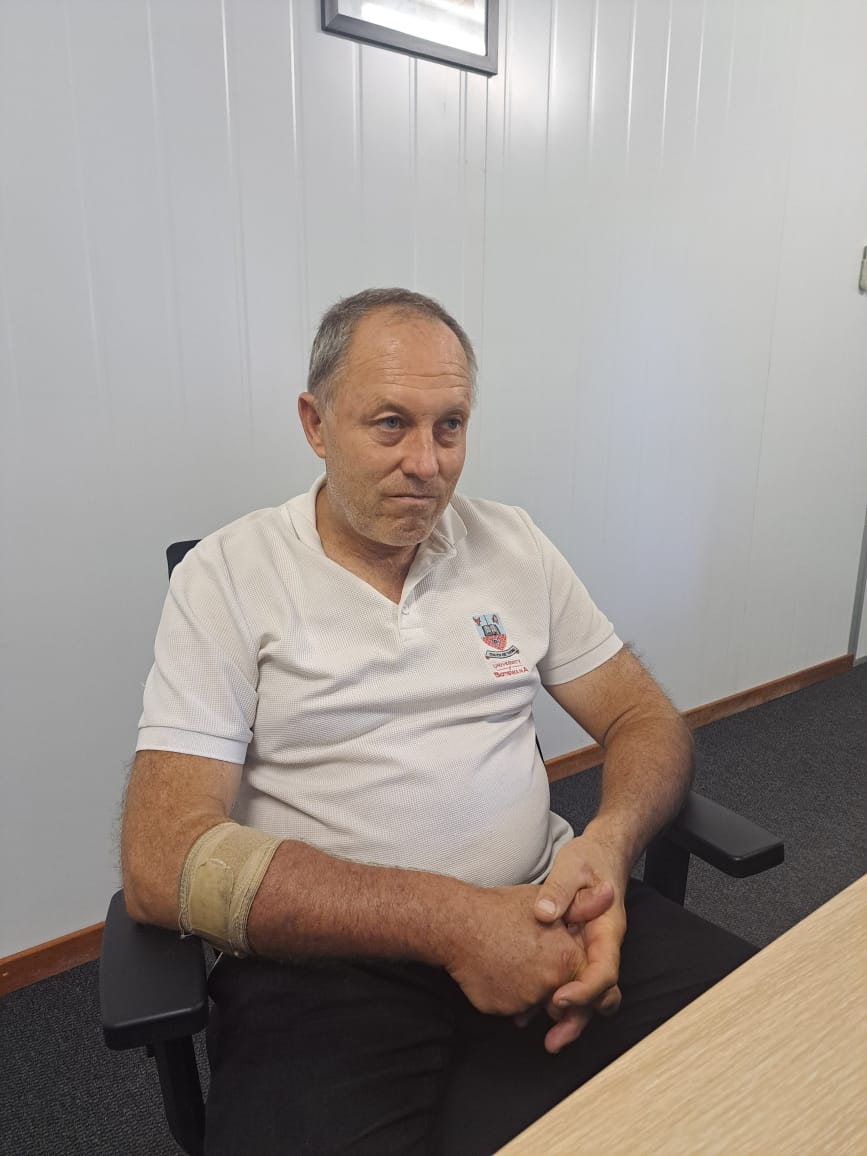 When rangeland ecologist, Professor Richard Fynn, declares that okgwa molelo (spitting fire), he is not speaking about fire as an ecological tool. He is, rather, capturing the intensity of his message. It is a metaphor for a speech delivered with conviction, urgency and clarity, one shaped by years of research and experience in Botswana’s rangelands.
That energy is grounded in purpose. As he puts it in Setswana, he is a modisa wa mahudiso (a custodian of rangelands). His work is less about spectacle and more about stewardship: understanding how ecosystems function and how they can be managed to sustain both livelihoods and the environment.
Since joining the Okavango Research Institute (ORI) as a professor of rangeland ecology in 2009, Professor Fynn has focused on the complex relationships that define rangelands. Thus, how grasses respond to grazing, how wildlife interacts with vegetation and how different management practices shape the long-term health of the land. His research stretches from the Okavango Delta to the cattle farms of Ghanzi where theory meets practice in very real ways.
It is in Ghanzi, among farmers navigating the daily realities of cattle production that his work takes on a particularly practical dimension. As Botswana pushes to expand its national herd to five (5) million, the question is no longer just about numbers but about sustainability. Professor Fynn has been working closely with farmers experimenting with new grazing approaches, observing outcomes and refining strategies based on what is happening on the ground.
“What we need to be doing is taking what farmers are experiencing and researching on that to improve rangeland management and cattle production,” he says, pointing to a model where science listens before it prescribes.
That approach is informed by history. Botswana’s cattle population once stood at around three (3) million, supported by relatively healthy rangelands. Over time, however, that balance shifted. The expansion of boreholes into new grazing areas in the 1970s opened up land for increased use but without adequate management systems, it also set the stage for overgrazing and degradation.
The effects were gradual but significant. Grasslands weakened, productivity declined and the national herd followed suit. Yet within this broader trend, there are signs of recovery. In parts of Ghanzi, improved grazing management has led to noticeable restoration of grasslands, offering a glimpse of what is possible when land use is carefully managed.
From grass to soil, the conversation deepens. Beneath the surface lies another layer of significance - carbon. Well-managed rangelands particularly those dominated by deep-rooted grasses, have the potential to store carbon in the soil and contributing to efforts to reduce atmospheric carbon levels. For Professor Fynn, this represents an important intersection between local farming practices and global climate goals.
It is an area now drawing increasing research attention. Across several farms, efforts are underway to measure how much carbon can be restored through improved grazing systems. The findings could position Botswana’s rangelands as part of a broader climate solution, demonstrating that agricultural landscapes can do more than produce food. They can also help stabilise the environment.
The same thinking extends to biodiversity. With protected areas covering only about 17 percent of the world’s land, far below what is needed to effectively conserve species, attention is turning to working landscapes. Farms, in this context, are no longer just sites of production but potential spaces for conservation.
A recent study conducted with a collaborator from Texas underscores this point. By comparing rehabilitated farms in Ghanzi with communal grazing areas, the research found that well-managed farms supported eleven (11) times more biomass of small mammals. It is a finding that challenges conventional boundaries between agriculture and conservation, suggesting that the two can, in fact, reinforce each other.
Still, progress is not without its constraints. Expanding this kind of research requires funding and translating knowledge into widespread practice depends on support systems for farmers. Professor Fynn points to the need for better road infrastructure, improved access to markets and the strategic use of fencing to allow grazing areas to recover. Alongside this, he continues to share knowledge with farmers, helping them refine how they manage both cattle and land.
There are also areas where Botswana has demonstrated strength. The country’s management of Foot and Mouth Disease (FMD), he notes, has provided a model of effective response, showing what coordinated effort can achieve.
Yet even as gains are made, new pressures emerge. Chief among them is the growing elephant population, now estimated at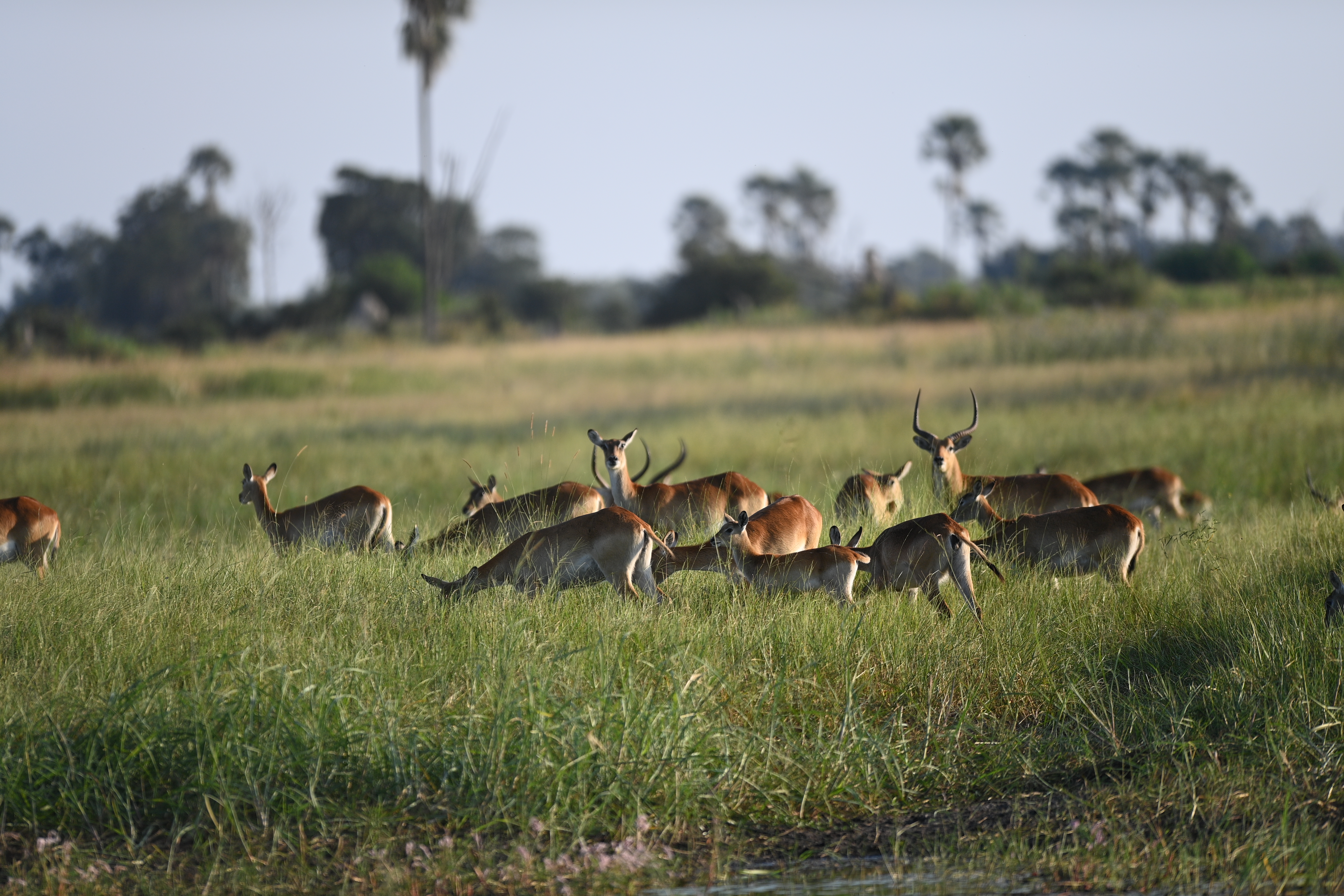 over 100,000. Without careful management, Professor Fynn warns, this could place increasing strain on the same landscapes that agriculture depends on.
“We cannot let the whole country become a big elephant reserve,” he cautions. “In the long run, there will be no beef industry, no agriculture because elephants will dominate the whole ecsystem.”
It is a statement delivered with the same force as the metaphor he invoked at the beginning, okgwa molelo. Not a literal fire but a powerful expression of urgency. Because at its core, his message is clear. The future of Botswana’s rangelands will depend not just on how much land is used but on how well it is understood and managed.