Portugal Reaffirms Commitment to Strengthening Portuguese Language Teaching at UB
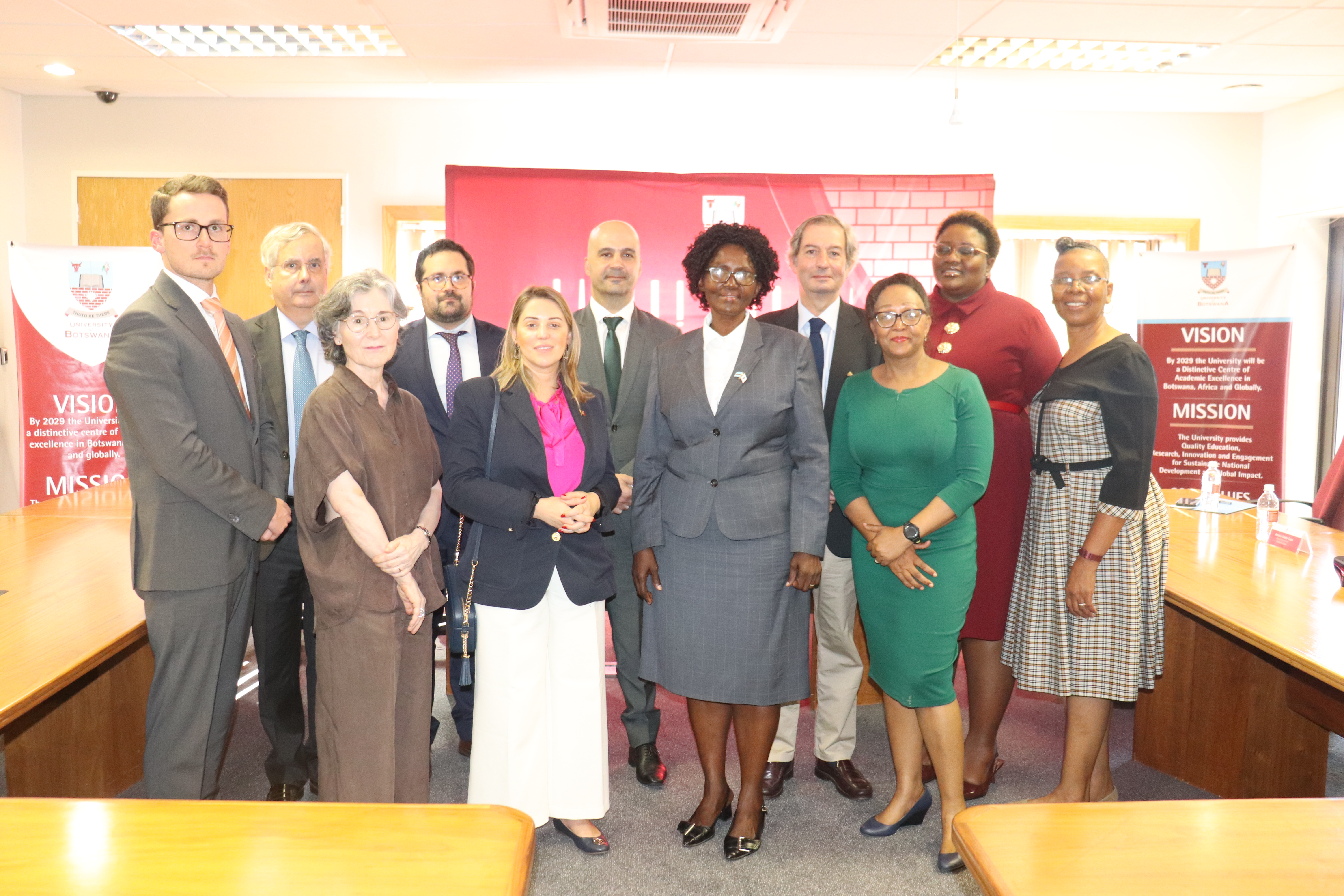 Portugal’s Deputy Minister of Foreign Affairs and Cooperation, Her Excellency Ana Isabel Xavier, recently paid a courtesy visit to the University of Botswana (UB) where she reaffirmed Portugal’s commitment to deepening academic and cultural ties through the teaching of the Portuguese language.
She met with Acting Deputy Vice Chancellor, Professor Maria Nnyepi and faculty representatives. She was accompanied by the Portuguese Ambassador to South Africa, H.E. Carlos Costa Neves, embassy officials and Dr Luísa Pinto Teixeira, who leads Portuguese language instruction at UB.
Speaking during the meeting, H.E. Xavier underscored the strategic importance of Portuguese, noting that it was the most widely spoken language in the southern Hemisphere and therefore an important tool for Botswana’s diplomatic, academic and professional engagement.
In reaffirming Portugal’s commitment, H.E. Xavier said expanding Portuguese language education in Botswana remains a priority. She noted that, with continued embassy support and academic collaboration, the initiative would create greater opportunities for students while strengthening cultural ties between Botswana and Portugal.
Discussions also focused on plans to introduce Portuguese as part of a double major within the Bachelor of Arts in Humanities programme by the 2026/2027 academic year, alongside short introductory courses for students, staff and members of the public. Both parties emphasised the need to ensure the long-term sustainability of the programme.
 Faculty of Humanities Deputy Dean, Professor Mompoloki Bagwasi, highlighted key operational challenges, including accreditation costs, lecturer availability and the need for strategic marketing to boost student enrolment. Although Portuguese has been offered at UB since 2009, the standalone degree programme produced only four (4) graduates, most of whom were professionals from the police and army, pointing to the need for more flexible delivery models and targeted outreach.
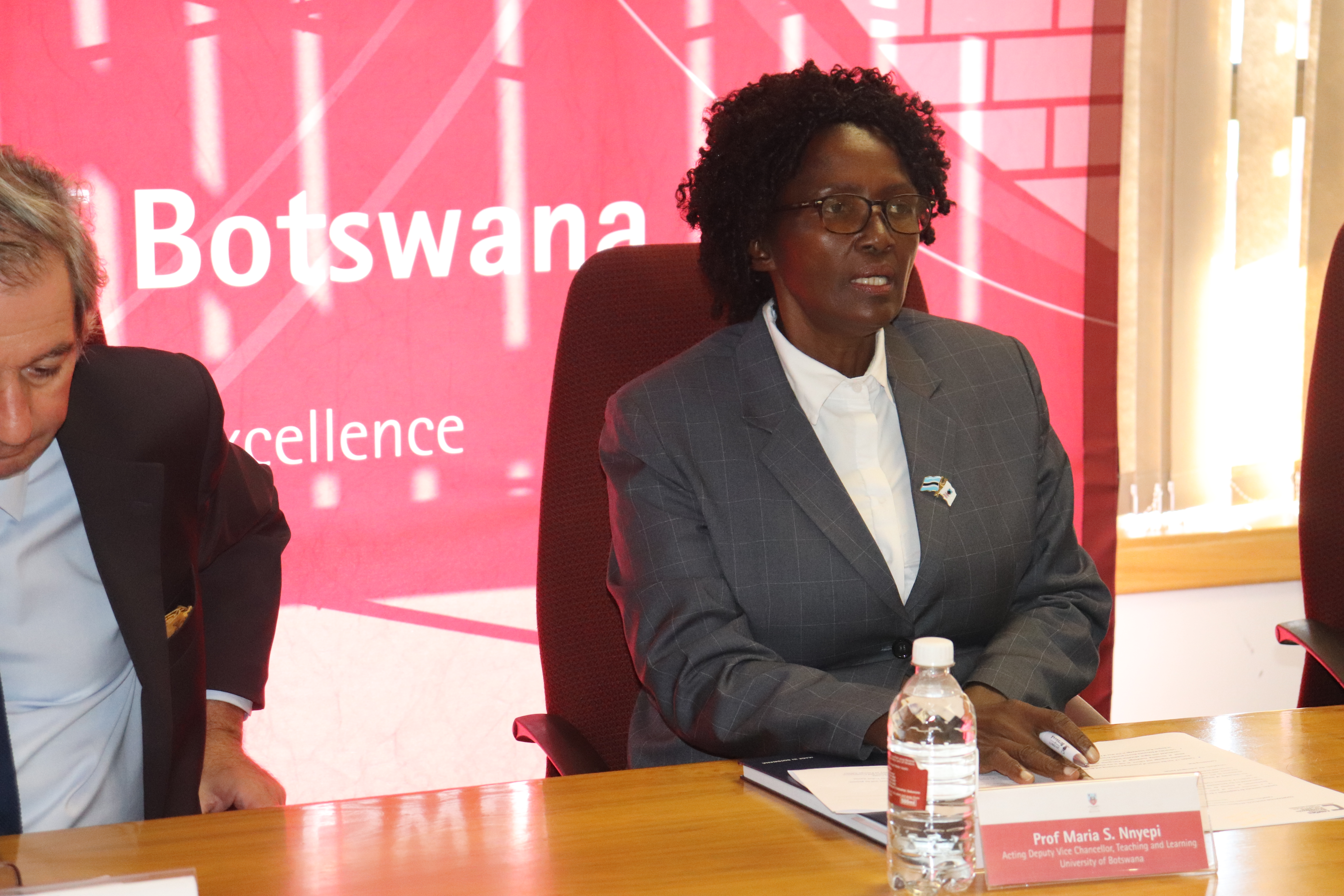
For her part, Professor Nnyepi welcomed Portugal’s strong political support and stressed the importance of addressing cost and logistical considerations in order to fully realise the partnership’s potential.