ORI and &Beyond Forge Partnership to Advance Conservation Research and Sustainable Tourism in the Okavango Delta
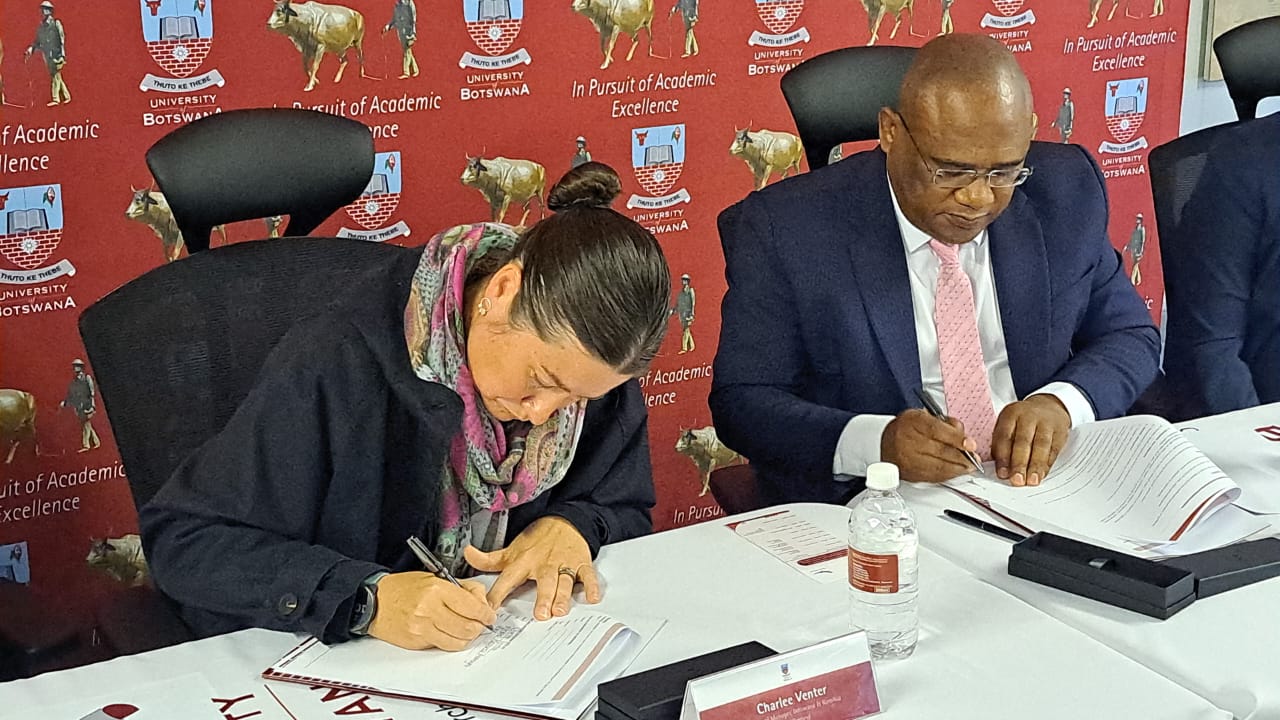 The University of Botswana (UB) through the Okavango Research Institute (ORI), has signed a Memorandum of Understanding (MoU) with &Beyond to strengthen collaboration in conservation research, environmental management and sustainable tourism in the Okavango Delta.
The agreement, signed at ORI in Maun on the 30th of June 2026, establishes a framework for joint research, biodiversity conservation, environmental monitoring, graduate training, knowledge exchange and sustainable tourism development within the Okavango Delta and other ecosystems managed by &Beyond.
Speaking at the signing ceremony, UB Vice Chancellor, Professor David Norris, described the partnership as a significant milestone in the University's efforts to position ORI as a globally recognised centre of excellence in conservation, sustainable tourism and environmental research.
"We want to strengthen ORI into an institute where, whenever people think about tourism, sustainable development and conservation, they think of ORI and come here for training, research and learning," he said.
Professor Norris noted that achieving such a vision would require strategic partnerships with organisations that possess practical experience in conservation and tourism.
"We may not reach that level if we do not collaborate with organisations that are already making a difference in this sector. That is why today's partnership with &Beyond is such an exciting moment for us," he added.
He emphasised that research and innovation should translate into tangible benefits for society particularly for communities living alongside Botswana's premier tourism destinations.
"The reality is that although tourism generates significant revenue for the country, many communities surrounding these areas have yet to fully benefit from those opportunities. Through this partnership, we want to explore practical ways of improving livelihoods while strengthening conservation efforts," Professor Norris said.
The Vice Chancellor observed that the collaboration would not only enrich research and innovation but also empower local communities and contribute to the long-term sustainability of the tourism sector in the UNESCO World Heritage-listed Okavango Delta.
In his remarks, ORI Director, Dr Casper Bonyongo, said the partnership reflected a shared commitment to scientific excellence and evidence-based environmental management.
Dr Bonyongo explained that ORI was established to generate scientific knowledge that informed policy and supported sustainable management of Botswana's natural resources. As one of the world's most important wetlands and biodiversity hotspots, he said, the Okavango Delta required collaborative approaches that brought together academia, government, local communities and private sector.
"The protection of the Okavango cannot be achieved by one institution alone," Dr Bonyongo said. "This partnership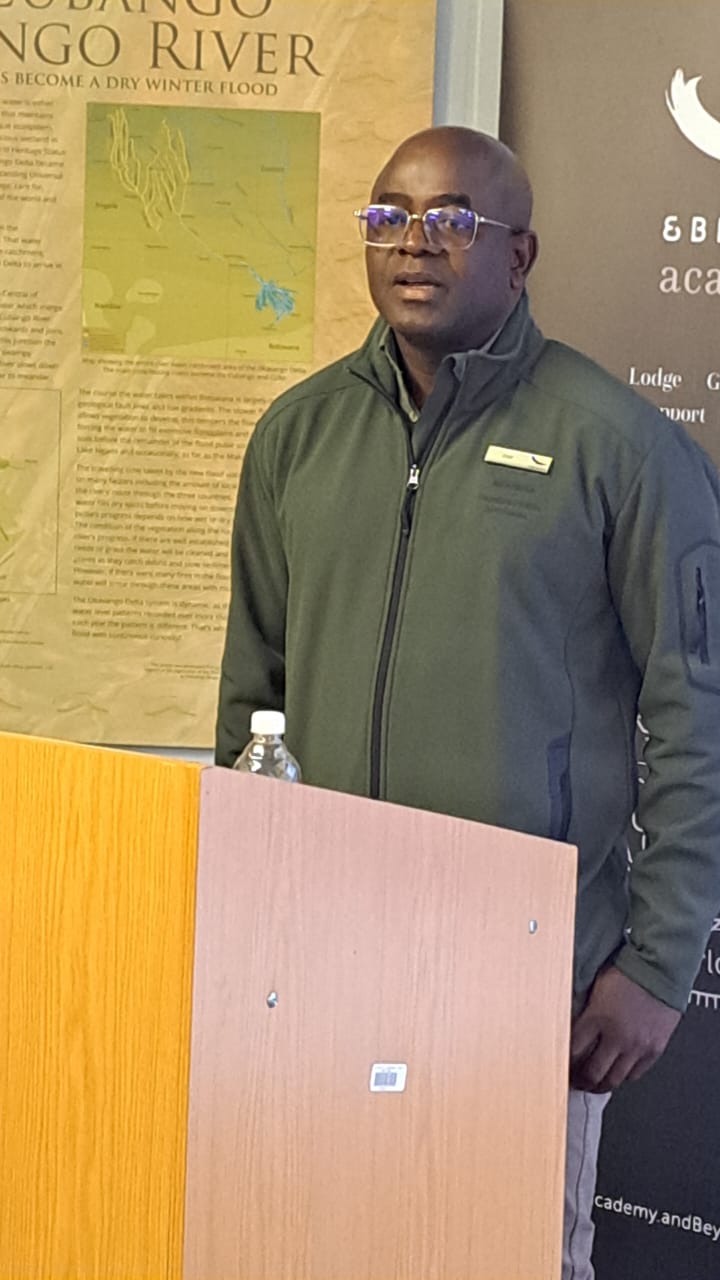 recognises that lasting conservation outcomes are achieved when scientific research and practical conservation management work hand in hand."
He noted that the agreement would facilitate collaborative ecological research, biodiversity conservation, environmental monitoring, graduate education, knowledge exchange and sustainable tourism initiatives. He added that it would also strengthen the partners' ability to attract competitive research funding through joint projects.
Responding on behalf of &Beyond, Manager for Field Operations, Mr Dux Mareja, described the agreement as more than just a formal partnership, saying it represented a shared investment in Botswana's natural heritage.
"At &Beyond, we believe conservation and tourism are inseparable. Protecting the Okavango Delta requires collaboration, sound science and informed decision-making," he said.
Mr Mareja said the partnership would enhance biodiversity monitoring, ecological research and environmental management while creating valuable opportunities for researchers, students, conservation practitioners and safari guides to build knowledge and skills.
"As conservation challenges continue to evolve, partnerships such as this enable us to generate knowledge, build capacity and develop practical solutions that will help safeguard the Okavango Delta for future generations," he said.