Open Access Day Sparks Dialogue on the Cost of Knowledge
 The rising cost of accessing scholarly research remains a significant challenge for universities, researchers and students worldwide. Against this backdrop, the University of Botswana (UB) commemorated Open Access Day on 27 October 2026 under the theme “The Cost of Knowledge”, bringing together academics, librarians, students and industry experts to examine how research can be made more accessible, equitable and impactful.
Organised by the Department of Library Services, the symposium provided a platform for meaningful discussions on the financial, legal and ethical dimensions of scholarly publishing while exploring practical pathways towards a more open research ecosystem.
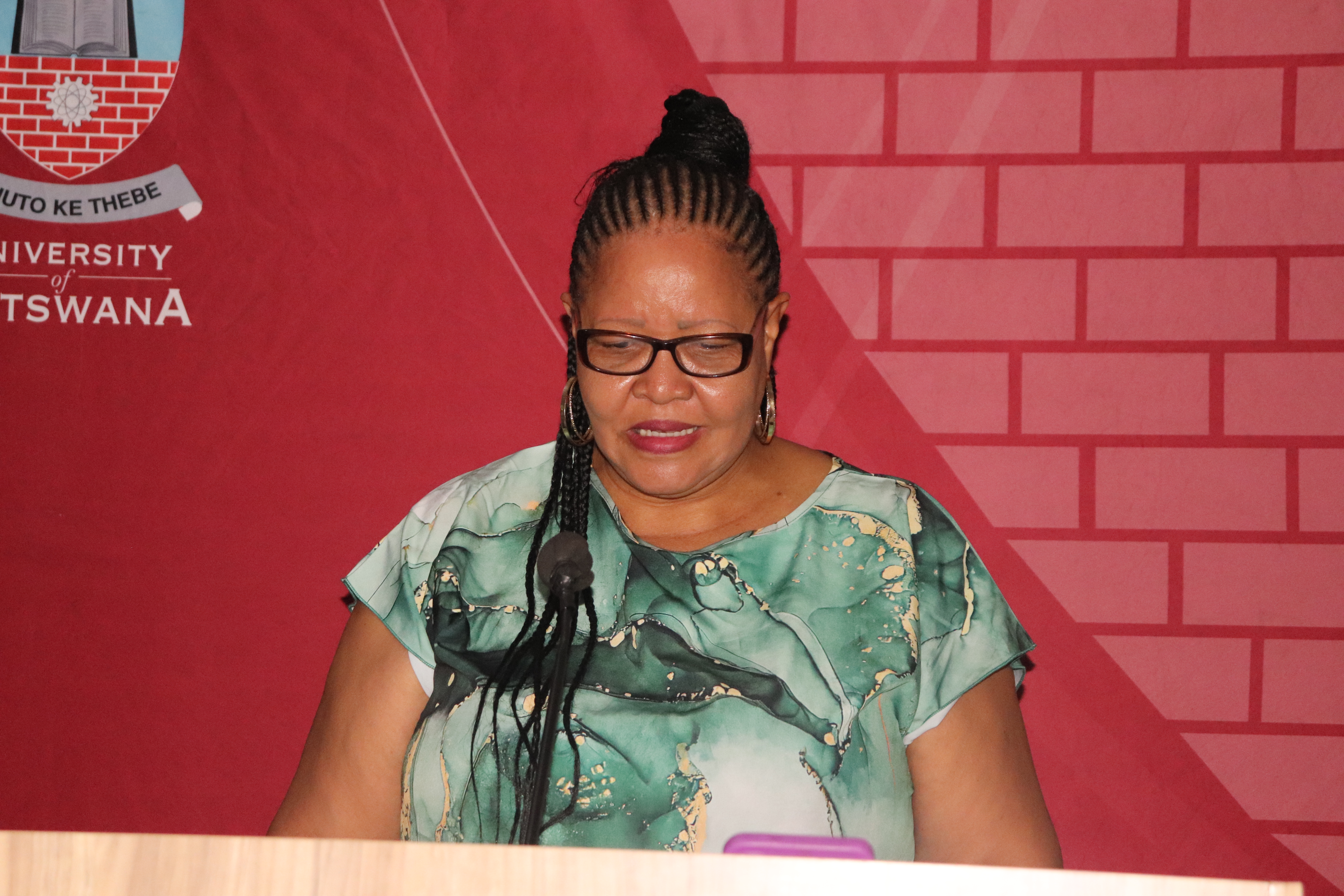
Welcoming participants, Research and Impact Services Unit (RISU) Manager, Ms Lynn Jibril, challenged attendees to reflect on the real implications of restricted access to knowledge.
“Our theme invites us to consider an important question: What is the cost of knowledge and who bears that cost when access is restricted?”
Ms Jibril highlighted how paywalls affected various stakeholders, from postgraduate students who struggled to access critical research materials to researchers who lost valuable time seeking information and communities that were unable to benefit from research findings that could enhance livelihoods and inform policy decisions. She also reaffirmed RISU's commitment to supporting researchers through guidance on publishing, intellectual property and research ethics.
Expanding on these concerns, Dr Audrey Masizana, Chairperson of the National Executive Committee for CODATA Botswana and Senior Lecturer in Computer Science, called on the University Community to move beyond awareness and actively embrace open science practices. She emphasised the importance of building systems that promoted equitable access to knowledge while protecting research integrity, data governance and local interests.
Discussions throughout the symposium highlighted the complex realities surrounding access to scholarly knowledge. Presenters examined the financial burden of article processing charges, challenges institutions faced in sustaining research publication costs and the need to balance knowledge sharing with the protection of intellectual property rights. Participants also explored copyright issues affecting researchers and authors, with particular emphasis on ensuring that scholars retained ownership and control of their work when engaging with publishers.
A significant theme emerging from the event was the recognition of knowledge as a public good and a catalyst for social and economic development. Speakers underscored the role of open access in advancing human rights, supporting evidence-based policymaking and increasing the visibility and influence of African scholarship on the global stage.
Delivering the keynote address, Deputy Vice Chancellor for Research and Enterprise, Professor Doreen Ramogola-Masire, reflected on the far-reaching consequences of inaccessible research. Professor Ramogola-Masire highlighted the impact of restricted access on innovation, academic advancement and informed decision-making, stressing the need for institutions to adopt more sustainable and inclusive approaches to knowledge dissemination.
The symposium also explored emerging models aimed at improving access to research. Discussions considered the potential of transformative publishing agreements to make open access more affordable for institutions while also examining how openly accessible research could increase citations, expand international visibility and strengthen the societal impact of scholarly work.
Among the most relatable contributions was that of postgraduate student Ms Lelentle Garegope, who shared reflections on the important role that the UB Library played in supporting student research.
“The University of Botswana's library provides important research support including access to information resources, l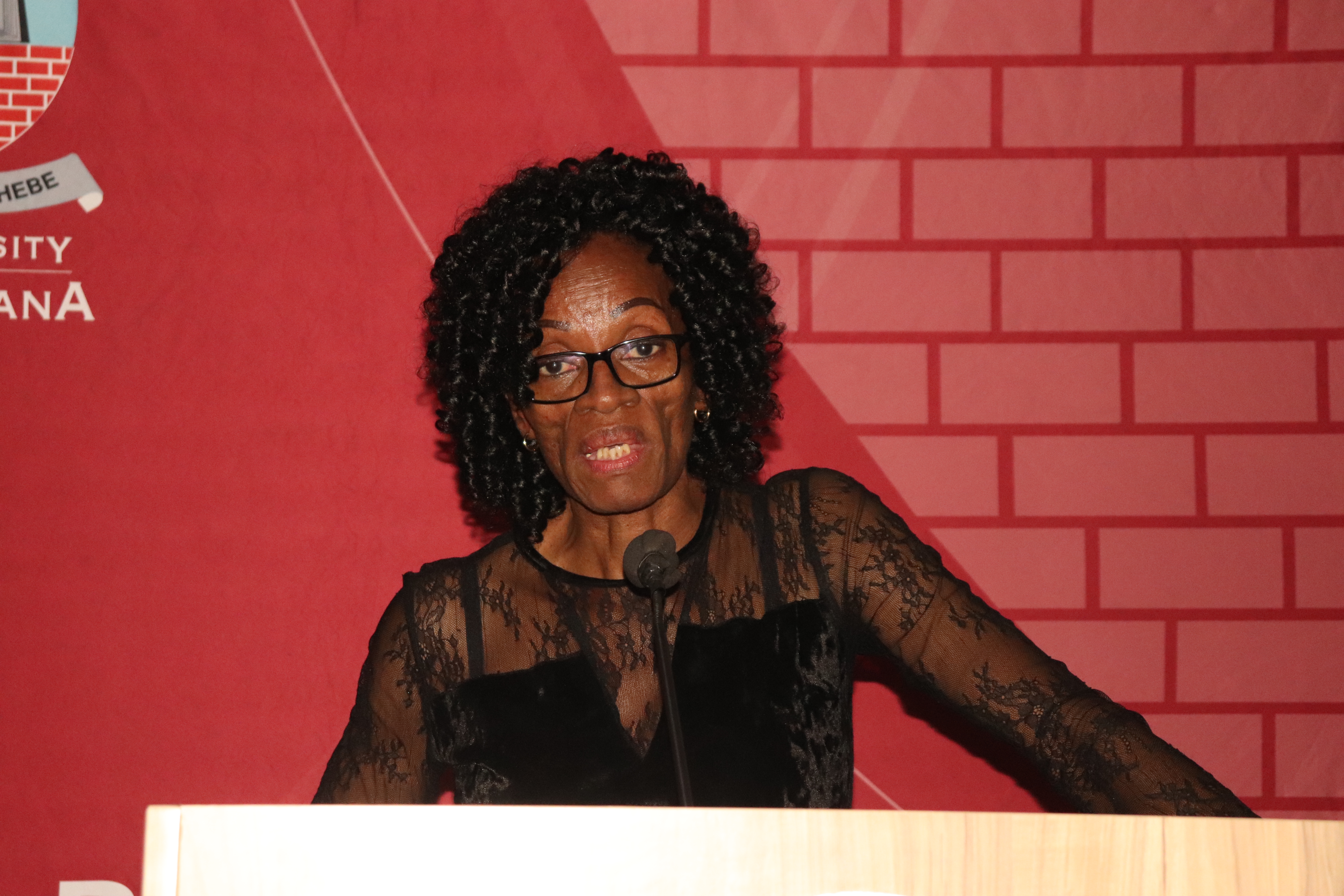 ibrarian assistance and research-related services. The opportunity before us is to strengthen this connection between these resources and the everyday experiences of postgraduate students,” she noted.
Garegope added that while access to information resources and librarian support had strengthened postgraduate research, there remained an opportunity to further enhance student awareness and engagement with these services.
The symposium concluded with remarks from Senior Librarian and Acting Director of Library Services, Ms Molly Botlhole, who reiterated the importance of collaboration among researchers, librarians, students, administrators and publishing partners in advancing open scholarship.