Okavango Research Institute’s Pivotal Role in Shaping SASSCAL’s Climate Research Agenda
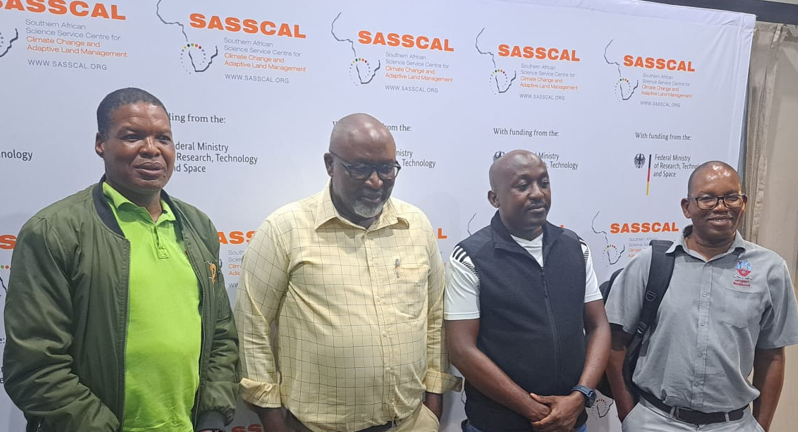 What began as a complex and unfamiliar idea presented in a meeting room in Maun in 2010 has today evolved into one of Africa’s most influential climate research platforms. At the centre of that transformation is the Okavango Research Institute (ORI), whose early engagement helped translate an abstract concept into a practical, regionally owned scientific enterprise.
When a German delegation first introduced the concept of a Regional Science Service Centre (RSSC), the proposal was met with uncertainty. For many in attendance - government officials, researchers and industry stakeholders- the idea of a coordinated, multi-country scientific platform to address climate change was difficult to grasp. It required a shift from isolated national research efforts to a shared, systems-based approach to understanding environmental change.
In that moment of uncertainty, ORI’s presence proved decisive. Among those contributing to the discussions was now Director at ORI, Dr Casper Bonyongo, who advocated for deeper national consultations to allow stakeholders to engage with the concept more meaningfully. That pause for reflection became a turning point. It created space for alignment, ownership and ultimately consensus, ensuring that the initiative would not remain an external proposal but evolve into a regionally grounded programme.
What followed were a series of engagements across southern Africa including high-level consultations in Zambia, gradually shaping the RSSC into what would formally be established in 2012 as the Southern African Science Service Centre for Climate Change and Adaptive Land Management (SASSCAL). From the outset, ORI remained embedded in these processes, helping to define both the scientific direction and institutional character of the organisation.
Today, SASSCAL stands as a multilateral collaboration between Angola, Botswana, Namibia, South Africa, Zambia and Germany, with a clear mandate: to generate actionable scientific knowledge that responds to climate change while improving livelihoods across the region. Its model reflects a deliberate balance - core research funding provided by Germany and operational ownership shared among member states.
According to SASSCAL Programme Coordinator, Mr John Molefe, the organisation’s strength lies in its focus on relevance and impact. “Our intention is not only to produce research but to ensure that it translates into real improvements in people’s lives,” he explains. Such philosophy has shaped SASSCAL’s work across five (5) thematic areas: food security, water security, biodiversity, forestry and woodlands and climate systems.
Botswana’s leadership in the biodiversity thematic area is no coincidence. It reflects both the country’s ecological endowment and ORI’s long-standing expertise in ecosystem research. Through this role, ORI has helped position Botswana as a hub for biodiversity science, coordinating research that speaks directly to conservation, land use and sustainable livelihoods.
The impact of this work is visible not only in academic outputs but also in tangible interventions. From studies on human-wildlife conflict to research on the sustainable use of indigenous veldt products, SASSCAL-supported projects have expanded the scope of how natural resources are understood and utilised. In parallel, ecosystem mapping and environmental monitoring initiatives have strengthened the region’s ability to respond to climate variability.
One particularly illustrative example is the installation of automated weather stations in areas such as Mogobane, Ranaka and Ramotswa. The systems, linked to research on the Notwane catchment, have generated critical data on environmental patterns affecting the Gaborone Dam, demonstrating how science, when properly applied, can inform national planning and resource management.
Equally significant is SASSCAL’s investment in human capital. Through partnerships with the University of Botswana, a growing number of postgraduate students are being trained in climate science and related disciplines. Currently, 14 UB students are supported under SASSCAL programmes, with the majority based at ORI. Plans to establish a regional PhD programme in biodiversity and ecosystem health, to be hosted by ORI, further signal a shift towards long-term capacity building.
Such emphasis on training reflects a broader vision: that Africa’s response to climate change must be led by its own scientists, grounded in local realities and supported by strong institutions. In this regard, the University of Botswana has distinguished itself. As Mr Molefe notes, UB has consistently demonstrated research leadership by developing competitive proposals and leveraging its academic 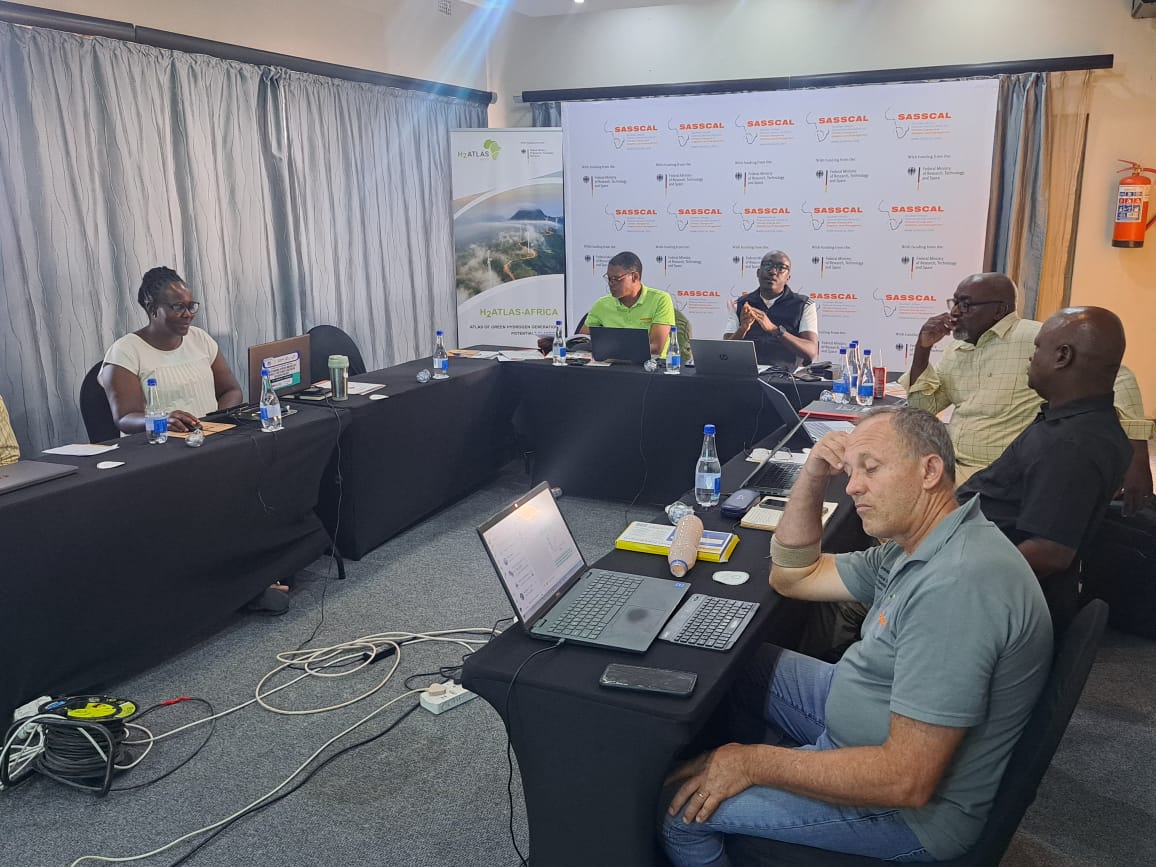 expertise to secure and implement projects.
The story of SASSCAL is therefore not just about an organisation. It is about evolution - from uncertainty to clarity, from concept to implementation, from external idea to African-owned initiative. It is also about institutions such as ORI that recognise opportunity in ambiguity and help shape it into something enduring.
As the region continues to confront the realities of climate change, the partnership between SASSCAL and the University of Botswana stands as a model of what sustained collaboration can achieve. Through science, capacity building and regional solidarity, ORI is helping to ensure that the response to climate change in southern Africa is not only informed but transformative.