National Dialogue Convenes Stakeholders in Bid to Tackle Illicit Financial Flows
 The inaugural National Dialogue on Illicit Financial Flows, organised by the Institute for Combating Illicit Financial Flows (ICIFF), today (17th June 2026) convened policymakers, researchers, regulators, law enforcement agencies and development partners to strengthen Botswana's collective response to illicit financial flows (IFFs).
The ICIFF which is affiliated with the University of Botswana (UB) organised the National Dialogue to foster dialogue on tackling IFFs through research, policy engagement and stakeholder collaboration.
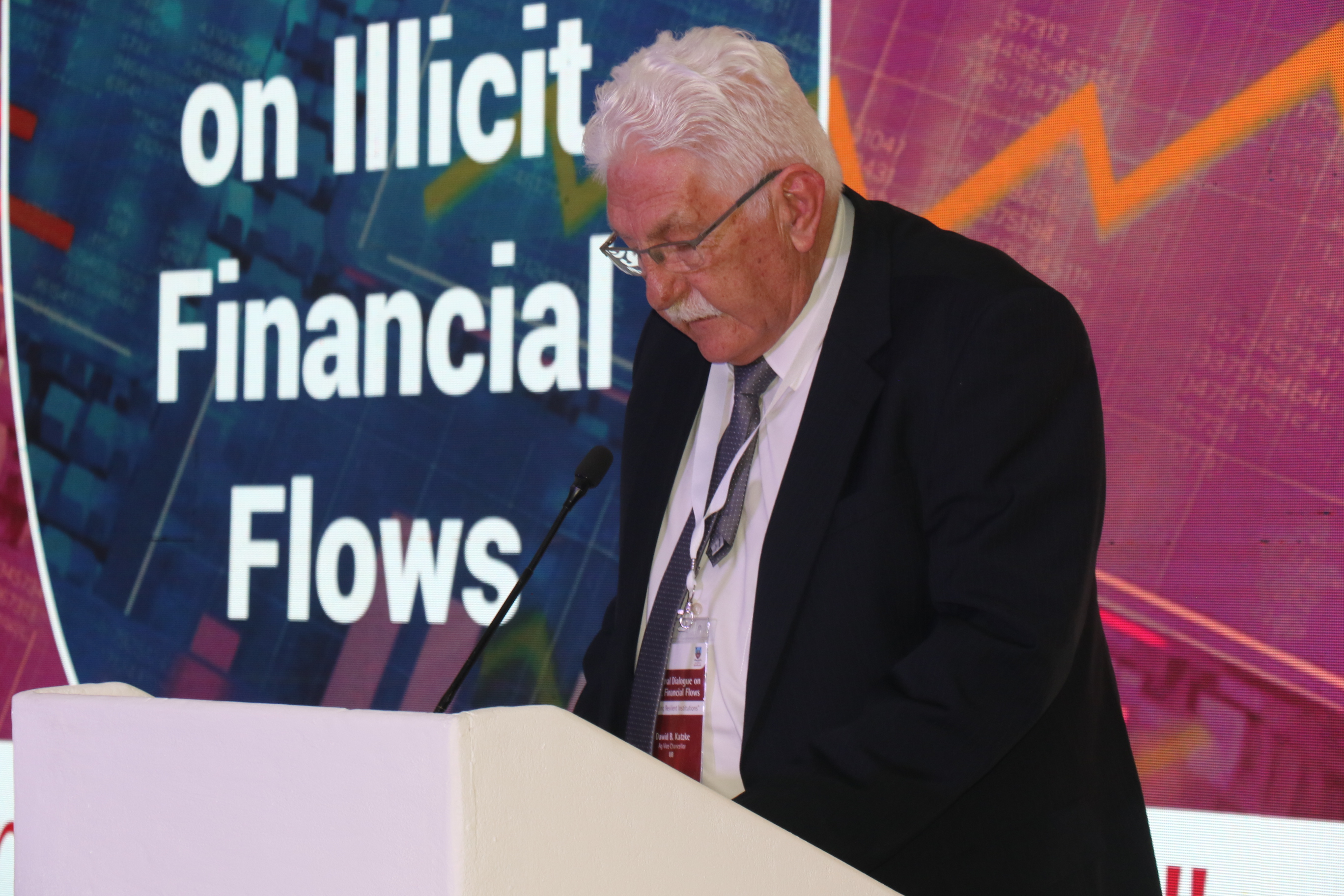
Delivering welcome remarks at the event held in Gaborone, Acting Vice Chancellor, Mr Dawid Katzke, said the dialogue was significant particularly because it provided a national platform dedicated towards bringing together multi-stakeholders to engage on the growing challenge of IFFs and their impact on economies.
“Illicit financial flows continue to undermine economic development, weaken public institutions, erode domestic resource mobilisation and threaten the achievement of sustainable development goals across Africa and beyond,” said Mr Katzke.
The Acting Vice Chancellor stated that for Botswana, addressing the IFFs was not merely a compliance requirement but a strategic imperative. That, said Mr Katzke, was essential as Botswana remained committed to good governance, transparency and sustainable development and therefore needed to continually strengthen its systems, institutions and partnerships to ensure that available resources benefitted both current and future generations.
Delivering a keynote address, Permanent Secretary in the Ministry of Finance, Dr Tshokologo Alex Kganetsano, stressed similar sentiments that IFFs deprived countries of resources meant to develop their people. Dr Kganetsano noted that the scale of the challenge was enormous in Africa. The finance PS underscored that IFFs were detrimental to Africa’s efforts to achieve equality.
Therefore, he observed that there was a need for the nation to work together to resolve the challenge. He noted that no single entity could combat IFFs alone.
For his part, ICIFF Director, Dr Baoki Ditau, said ICIFF was established in 2024 and had been in operation for over a year now. Dr Ditau said the institute was founded to build national capacity on anti-money laundering and combating the financing of terrorism (AML / CFT). He said that so far, the institute has trained several key stakeholders in the fight against illicit financial flows.
Several experts noted that illicit financial flows remained some of the greatest threats to sustainable development, depriving countries of resources that could otherwise be invested in critical sectors such as education, healthcare, 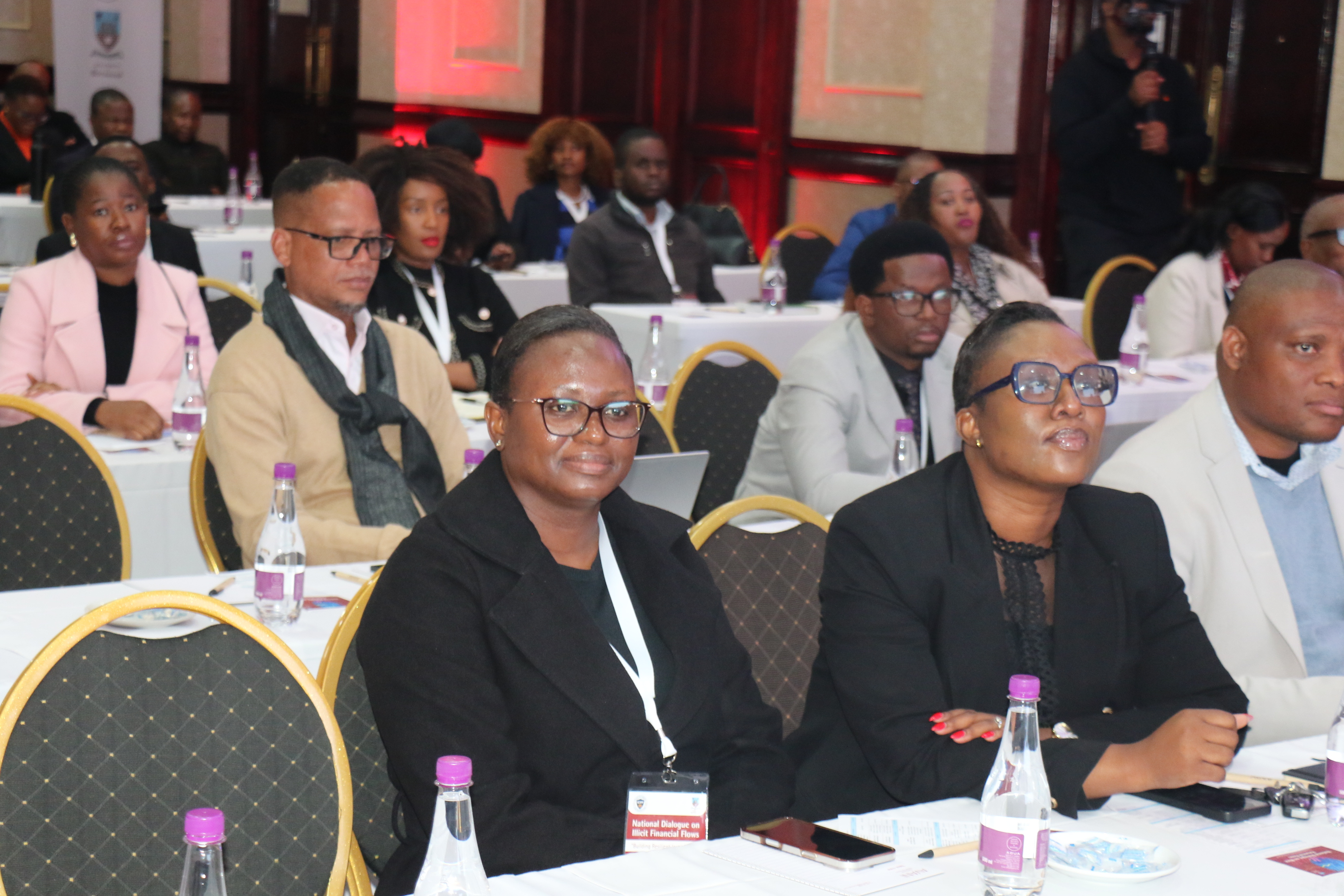 infrastructure, innovation and social welfare.
As illicit financial flows continue to challenge economies across Africa, the National Dialogue represented an important step towards building a coordinated national response. Through the ICIFF, the University of Botswana is demonstrating how academia can contribute meaningfully to public policy, governance reform and sustainable development.
Among the outcomes of the national dialogues are recommendations that will inform future policy interventions besides strengthening cooperation among institutions involved in preventing and combating illicit financial flows in Botswana and the region.