Minister Maele Backs Infrastructure Upgrade to Boost ORI Research Capacity
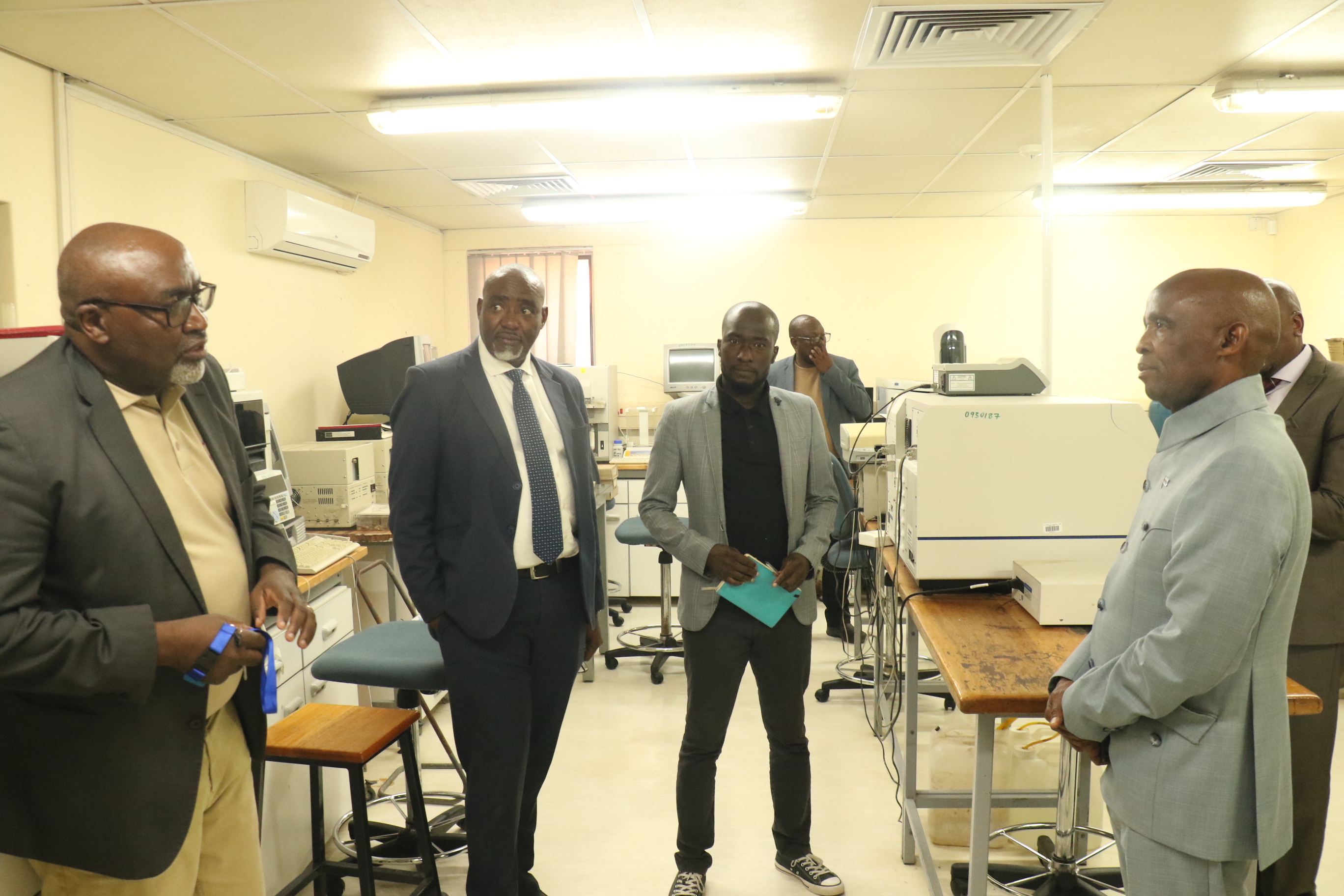 The Minister of Higher Education, Hon Prince Maele, has urged the University of Botswana (UB) to put up a proposal for the upgrading of research infrastructure at the Okavango Research Institute (ORI) following a tour of the Institute's facilities in Maun on the 25th of July 2026.
The visit took place after the Kengalogile Tombstone Unveiling Ceremony and was attended by UB Chancellor, Her Excellency, Ms Tebelelo Mazile Seretse, Chairperson of Council, Dr Daniel Tau, Permanent Secretary in the Ministry of Higher Education, Professor Richard Tabulawa, Vice Chancellor, Professor David Norris, members of the University Executive and other senior officials.
Led by ORI Director, Dr Mpaphi Bonyongo, the delegation toured the Institute's research laboratories and other technical facilities to gain a better understanding of ORI's research capacity and the challenges affecting its operations.
During the tour, the delegation observed that while ORI continued to produce high-quality research that informs national and international policy on environmental conservation, climate change and natural resource management, much of its research equipment has become outdated. According to the ORI Technical Research Services Manager, Mr Kelebileone Kaisara, some laboratory instruments have reached the end of their operational life, making it increasingly difficult to conduct certain analyses efficiently and maintain the Institute's research output.
Mr Kaisara lamented that ageing equipment and obsolete technology continued to slow down some research activities, affecting the Institute's ability to fully meet the growing demand for scientific research and specialised laboratory services.
Despite these challenges, ORI remains one of the University's flagship research institutes with its work contributing significantly to sustainable environmental management in the Okavango Delta and beyond.
Dr Bonyongo appealed for continued investment in modern research infrastructure to ensure that the Institute remained responsive to national development priorities and maintained its position as a centre of excellence in environmental research.
Having appreciated the challenges first-hand, Hon Maele requested the University Management to prepare a comprehensive proposal outlining the Institute's infrastructure and equipment requirements for consideration by the Ministry.
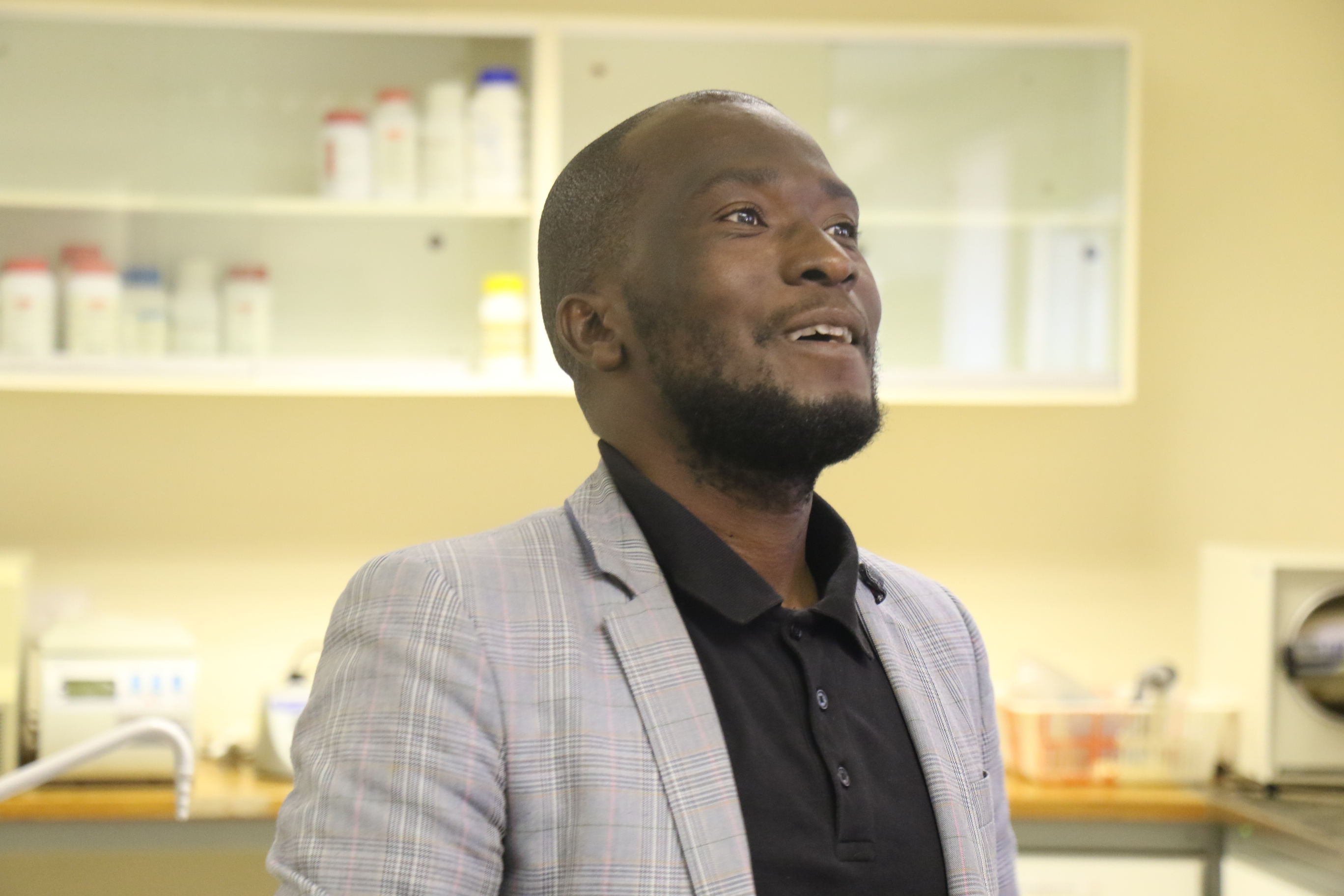 Professor Norris welcomed the Minister's proposal, noting that modernising ORI's laboratories and research facilities would strengthen the University's capacity to deliver high-impact research, support evidence-based policymaking and contribute meaningfully to Botswana's sustainable development agenda.
The visit concluded with a shared commitment by the Ministry and the University leadership to explore ways of strengthening ORI's research infrastructure so that the Institute could continue generating knowledge and innovative solutions to address national, regional and global environmental challenges.