Master of Nursing Students Lead Stakeholder Discussion on Inclusive Health Services
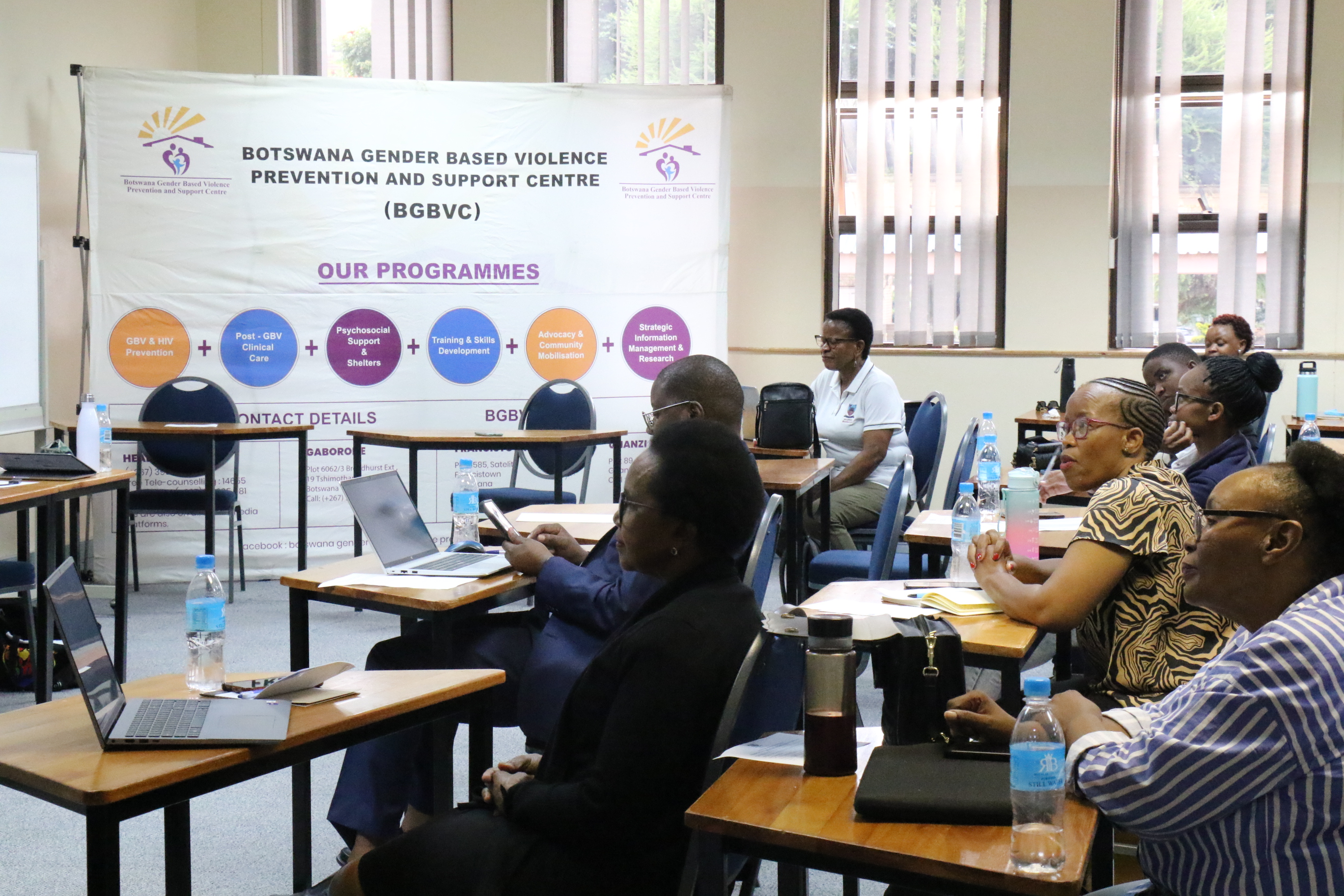 The University of Botswana’s School of Nursing recently hosted a crucial workshop focused on the dissemination of research findings on the provision of health services to key populations. The event, organised by Master of Nursing Science students specialising in Community Health Nursing (CHN), in collaboration with their lecturers, brought together critical stakeholders to address gaps and strengthen inclusive healthcare delivery.
The workshop attracted approximately 40 participants including members of the District Health Management Team (DHMT) from Gaborone’s Primary Health Care services, representatives from the Ministry of Health’s Public Health Department and key non-governmental organisations working closely with vulnerable communities. Among the NGOs represented were Lesbians, Gays, Bisexuals of Botswana (LEGABIBO) and Botswana Gender Based Violence Prevention and Support Centre (BGBVC), both of which play a vital role in advocating for and supporting key populations.
The primary objective of the workshop was to share research findings generated by the postgraduate nursing students, highlighting existing gaps in the provision of healthcare services to key populations. One of the participants, Laone Van Vuuren, a representative from LEGABIBO mentioned that the groups often faced barriers such as stigma, discrimination and limited access to tailored health services. Through evidence-based presentations, the participants outlined practical recommendations aimed at improving accessibility, inclusivity and quality of care.
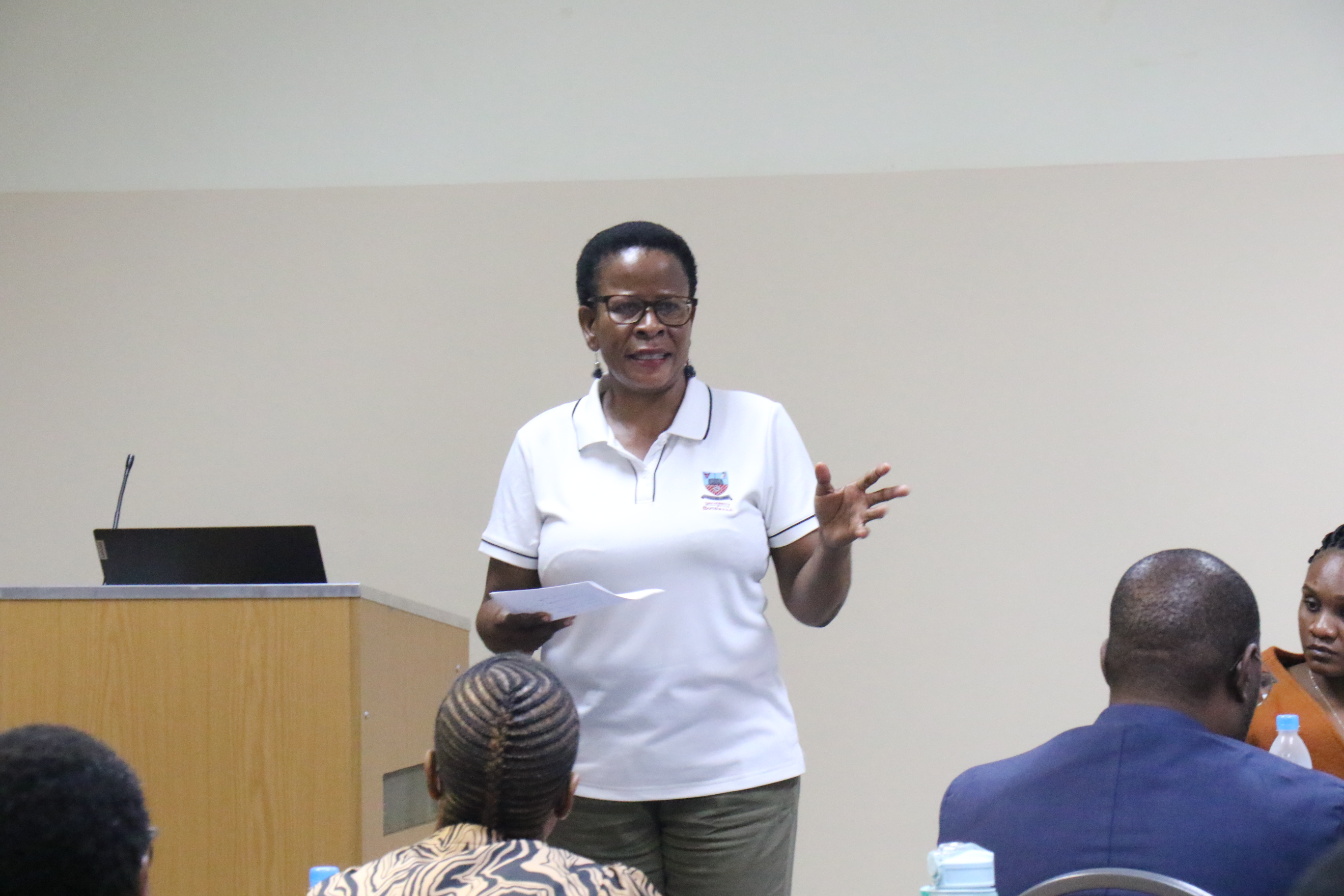 Participants engaged in meaningful discussions, reflecting on the findings and exploring collaborative strategies to enhance service delivery. The interactive nature of the workshop brought up knowledge exchange between academia, government and civil society, reinforcing the importance of multi-sectoral partnerships in addressing public health challenges.
The initiative underscores the University of Botswana School of Nursing’s commitment to community engagement, research-driven practice and the training of healthcare professionals who are responsive to the diverse needs of the population. By facilitating platforms for dialogue and collaboration, the institution continues to contribute to the advancement of reasonable and inclusive healthcare systems in Botswana.