How PSUB Herbarium Anchors Conservation in the Okavango Delta Basin
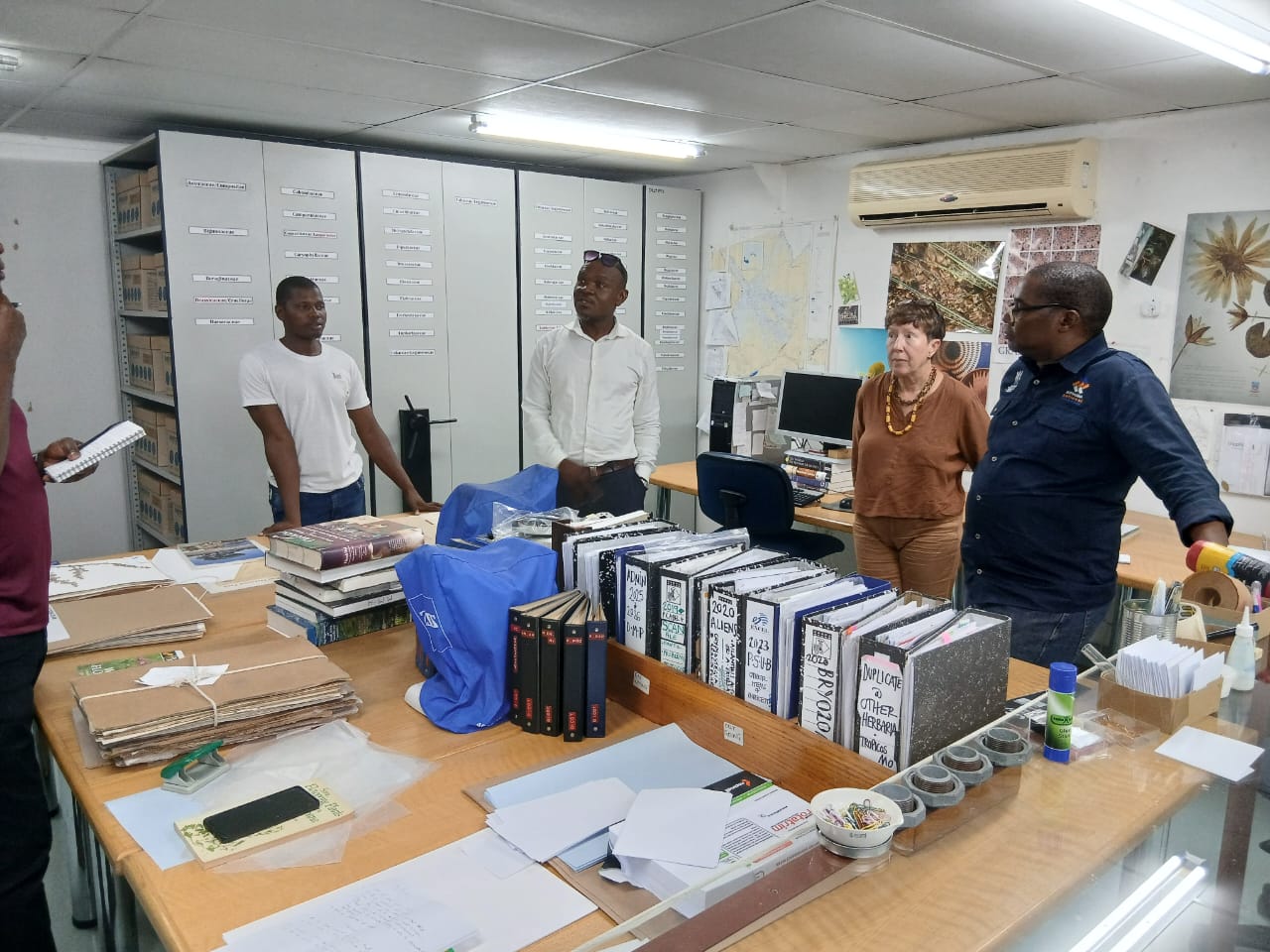 Long before the Okavango Delta earned its place as a global ecological treasure, its story was already being quietly documented-pressed, preserved and catalogued in cabinets at the Peter Smith University of Botswana (PSUB) Herbarium. Today, that archive has become an indispensable scientific foundation for understanding and safeguarding one of the world’s most unique inland delta systems.
Housed at the Okavango Research Institute (ORI) in Maun, the herbarium holds more than 80 percent of plant specimens collected from the Okavango Delta over the years. What may appear as a quiet repository of dried plant samples is, in reality, a dynamic research hub, one that continues to shape conservation policy, ecological management and community understanding of the Delta.
In many ways, the herbarium tells the Delta’s story in reverse. Where visitors see flowing channels, floodplains and biodiversity, scientists at PSUB Herbarium begin with classification, identification and historical records, piecing together how ecosystems have evolved, where pressures are emerging and what interventions may be required.
According to Coordinator of the herbarium unit, Dr Keotshephile Kashe, this long-view approach is precisely what makes the facility so critical. “Through the herbarium, we are able to track plant diversity, monitor ecological changes and generate evidence that informs how the Delta is managed,” he explains. Over time, this has translated into research that directly supports policy and conservation strategies in the region.
One of the herbarium’s most significant contributions lies in its work on invasive alien plant species, an often overlooked but growing threat to the Delta’s ecological balance. By identifying and documenting these species, researchers are able to advise on containment and management strategies to ensure that indigenous ecosystems are protected from disruption.
Yet the value of the herbarium extends beyond scientific classification. It also connects biodiversity to livelihoods. Plants documented and preserved within PSUB Herbarium are not only ecological assets but also sources of food, medicine and building materials for communities in the Ngamiland region. In some cultural contexts, they hold spiritual significance, underscoring the deep relationship between people and their environment.
Such intersection of science and society is central to ORI’s approach. By grounding research in local realities, the herbarium contributes to sustainable resource use while reinforcing conservation awareness among surrounding communities. It is a reminder that environmental stewardship is not an abstract concept but a lived practice.
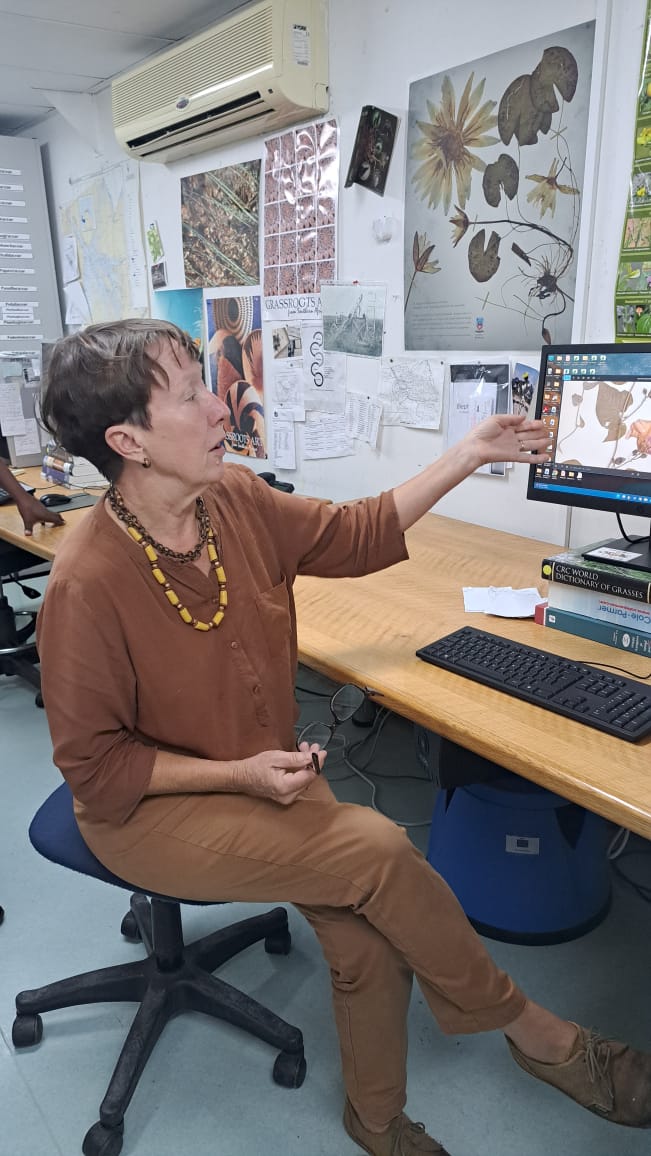 At a broader level, plant preservation plays a crucial role in addressing climate change. Vegetation acts as a natural carbon sink, regulates local climates and supports ecosystem resilience. In that sense, the herbarium’s work feeds into global conversations on climate mitigation, even as it remains rooted in the specific context of the Okavango.
The strength of the Peter Smith University of Botswana Herbarium also lies in its function as a knowledge platform. Its collections serve as a botanical reference library for students, researchers and environmental practitioners, supporting taxonomic studies, environmental impact assessments and biodiversity inventories. For many, it is both a classroom and a laboratory.
Recognising the importance of knowledge transfer, ORI has expanded the herbarium’s role to include training and capacity building. Through specialised short courses on herbarium management, the institute equips a wide range of stakeholders - from professional guides and wildlife rangers to plant ecologists and environmental officers - with the skills needed to document and manage plant biodiversity effectively.
Such efforts reflect a broader institutional vision: that conservation must be supported by knowledge and that knowledge must be shared. In so doing, ORI is not only preserving specimens but also cultivating expertise.
The story of the herbarium, much like that of the Delta itself, is one of continuity and adaptation. It bridges past and present, science and society, local ecosystems and global environmental priorities. Quietly but decisively, it underpins the very processes that ensure the Okavango Delta remains not just a site of natural beauty but a resilient and sustainable ecosystem.
In an era where environmental change is accelerating, the work of the herbarium serves as a powerful reminder: preservation is not only about protecting what exists but about understanding it deeply enough to secure its future.