Fashion Through the Decades: Students Bring History and Culture to Life on the Runway
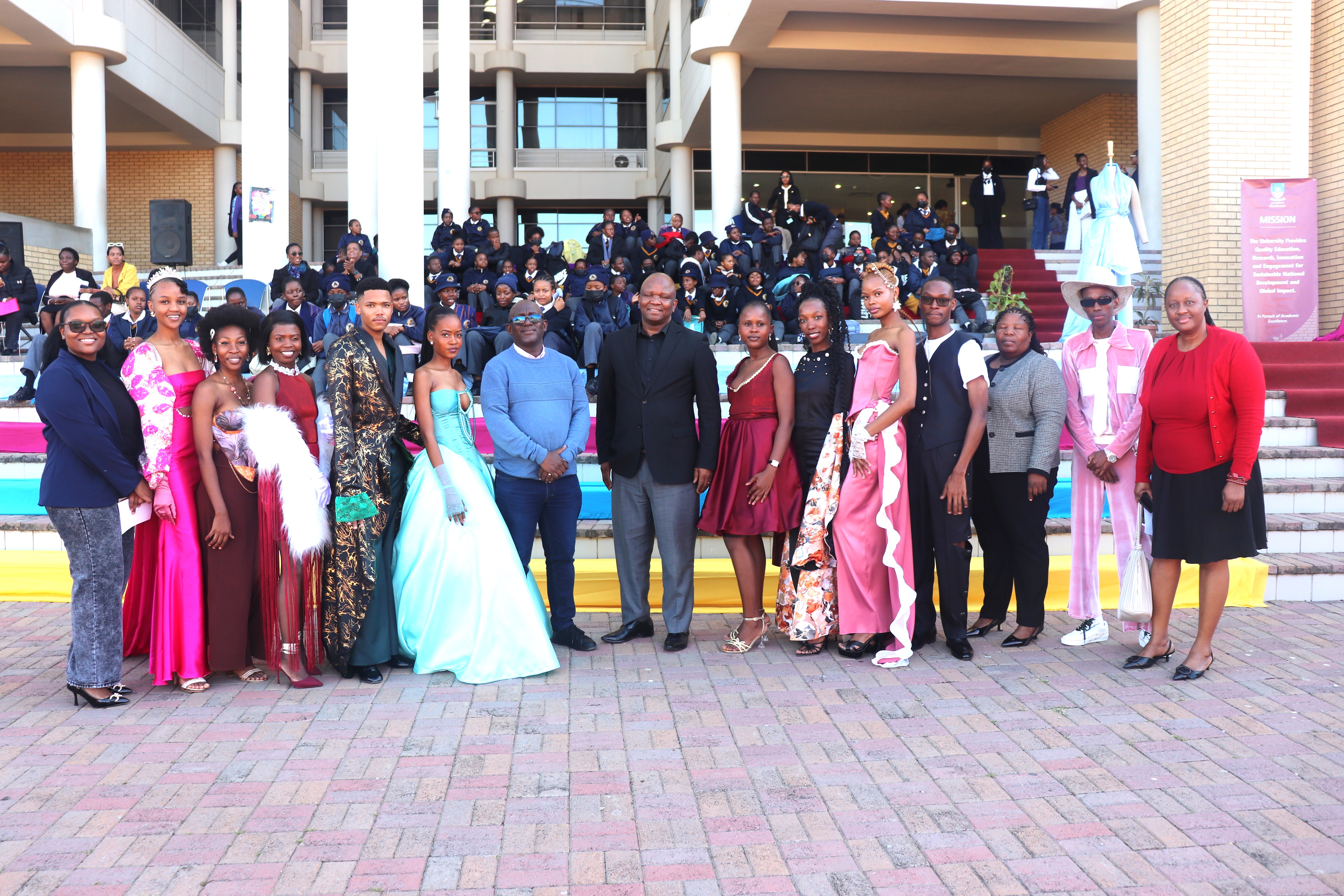 The University of Botswana (UB) Department of Creative and Applied Arts and Design (CAAD) recently hosted a students’ fashion parade themed “Fashion Eras, showcasing creativity, innovation, and the historical evolution of fashion through contemporary design”. Held in front of Block 247, UB Main Campus, the event brought together students, lecturers and guests to celebrate fashion as both an artistic and cultural expression.
Organised as part of the students’ academic assessment, the showcase featured garments inspired by different fashion eras, reimagined to reflect modern trends and contemporary style. Students were tasked with identifying a historical fashion era from which to draw inspiration before modernising the designs to suit today’s fashion market and red-carpet aesthetics.
Speaking at the event, students from the Family and Consumer Sciences (FCS311) course, explained that the programme equipped them with both theoretical knowledge and practical competencies in apparel design, textiles, consumer awareness, creativity and critical thinking. The fashion parade formed part of the students’ experiential learning and highlighted the extensive research, planning and craftsmanship involved in garment production. According to the students, each piece showcased on the runway represented countless hours of dedication, determination and creative exploration. In addition to displaying their designs, students also used the event as an opportunity to market and showcase their products, sharpening their entrepreneurial and presentation skills while increasing the visibility of their work.
Students that were exhibiting garments, further explained the significance of fashion as a reflection of history and society. They noted that clothing served as a record of cultural, political and social change, illustrating how factors such as economics, gender, identity and politics influence fashion trends across generations.
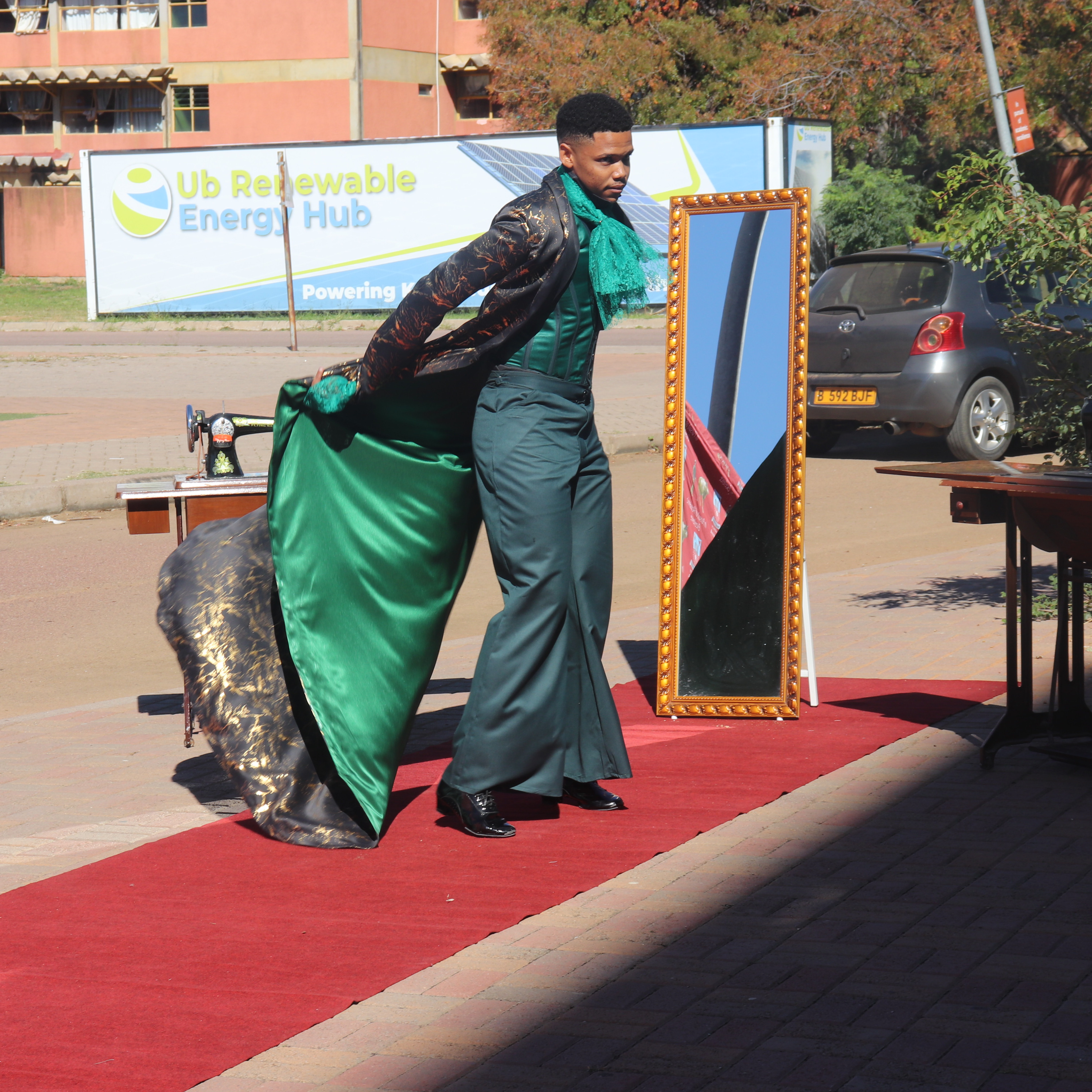 The runway presentation featured iconic fashion movements from several decades. The 1920s segment highlighted women’s growing social freedoms following the achievement of voting rights while the 1960s collection reflected youth rebellion and anti-war movements through bell-bottoms and handmade designs.
The 1990s era captured the rise of globalisation and media influence through minimalist fashion and streetwear trends. FCS311 students explained that the course encouraged them to study fashion using historical frameworks, viewing garments as documents that communicated stories about power, resistance, belonging and identity.
Beyond celebrating creativity and design, the event aimed at sharpening students’ entrepreneurial abilities and prepared them for future business ventures in the fashion industry. It also provided a platform to increase public appreciation and visibility of student talent and innovation.
The fashion parade concluded with applause and appreciation from attendees, who appreciated the students for successfully blending academic learning, cultural exploration and contemporary fashion into an active and engaging showcase.