Experts Call for More Inclusive Climate Strategies
 Calls to rethink global climate narratives are gaining momentum as researchers, environmental activists and community leaders advocate for more inclusive and realistic approaches to sustainability. The change reflects a growing recognition that effective climate action must consider not only scientific data but also the lived experiences, cultural knowledge and priorities of the communities most affected by climate impacts.
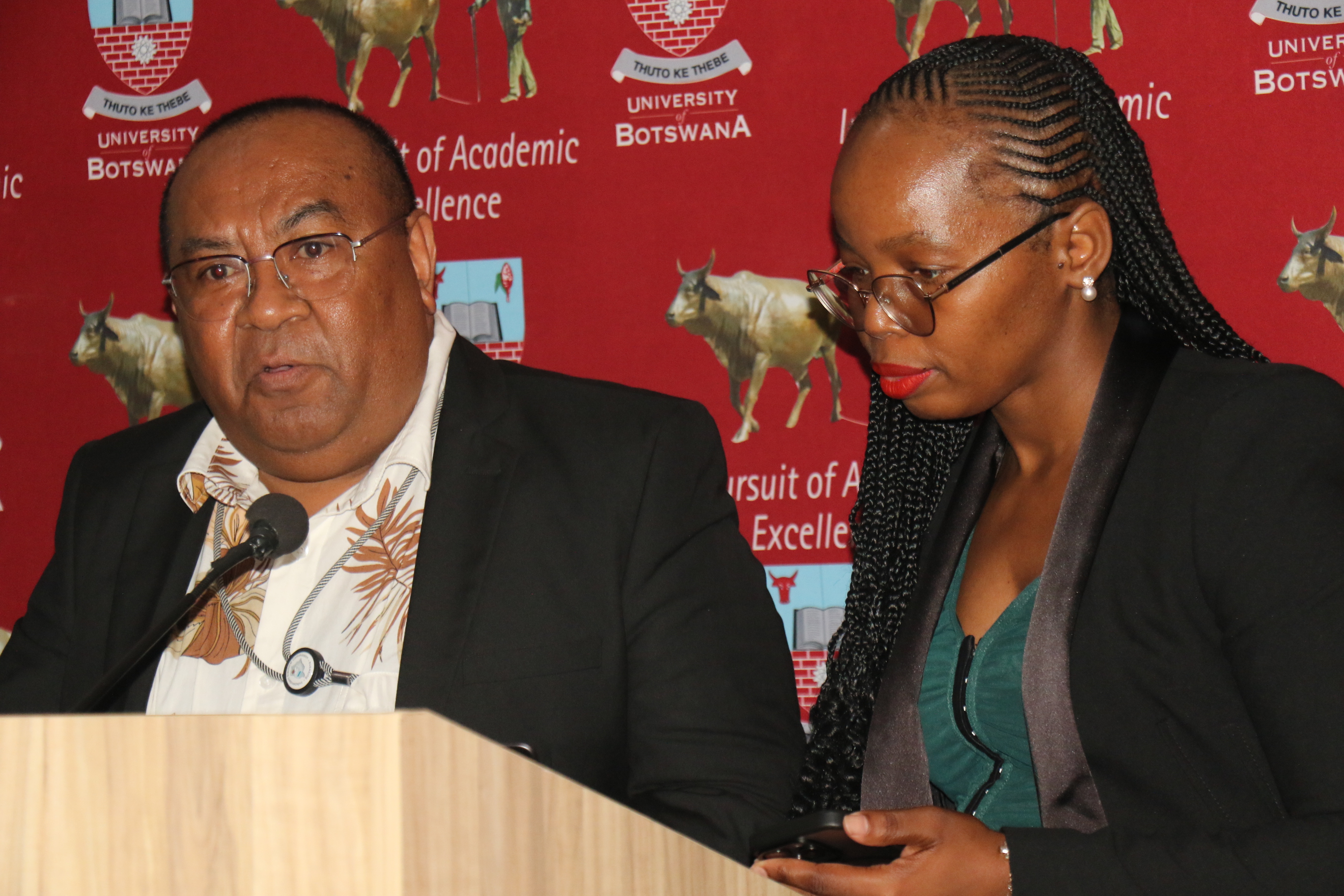
This emerged at the Planetary Features: Book Discussion and Sustainability Roundtable themed: “Decolonising Climate Change and Advancing Sustainable Futures: Reclaiming Voice, Power and Planetary Responsibilities,” on the 17 March 2026 at the University of Botswana. Speaking at the event, Sociology Lecturer, Professor Gabriel Faimau, noted that many current climate solutions were predominantly shaped by wealthier, industrialised nations. As a result, they often failed to reflect the needs, insights and experiences of communities on the frontlines of climate change.
Professor Faimau added that dominant climate approaches frequently overlooked Indigenous expertise, traditional ecological knowledge and the day‑to‑day realities faced by those most vulnerable to climate disruptions. Recognising and integrating these perspectives, he argued, was not merely a matter of fairness but a crucial step towards building climate responses that were effective, resilient and genuinely sustainable.
From North West University in South Africa, Philosopher, Professor Aida Terblanche‑Greeff, highlighted that many 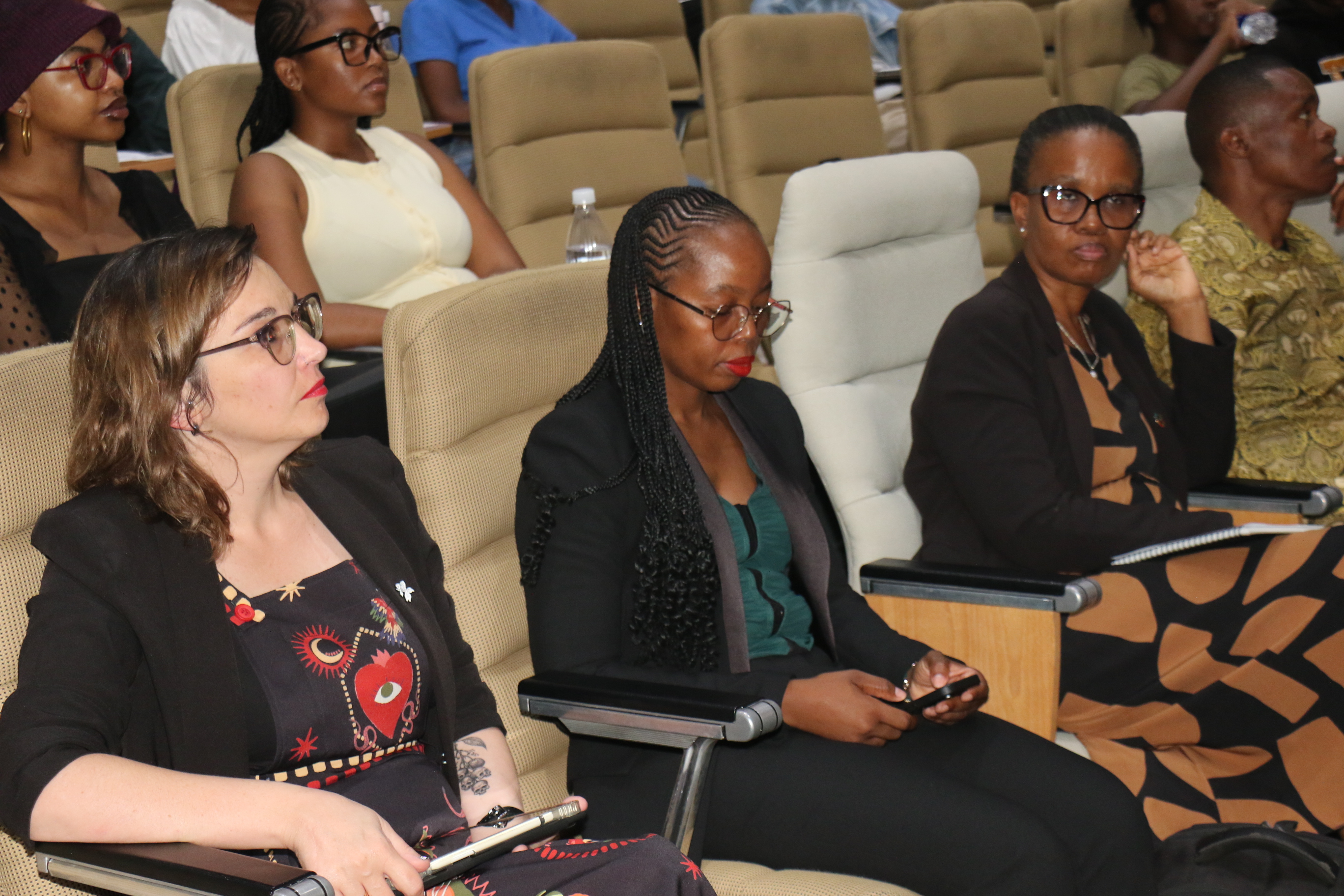 Indigenous and frontline communities held deep ecological wisdom. However, they were often excluded from climate conversations simply because they did not communicate in technical, Western scientific language. She warned that such exclusion carried serious environmental, social, political and economic consequences.
Meanwhile, Botswana University of Agriculture and Natural Resources (BUAN) Environmental Management expert emphasised that expanding participation in global climate dialogues could lead to more accurate understanding of climate challenges and more responsive solutions. By elevating a wider range of voices, she noted, climate discussions could become richer, more representative and better equipped to support the sustainable futures the world urgently needs.