Design With Maintenance in Mind, Urges Facilities Management Director
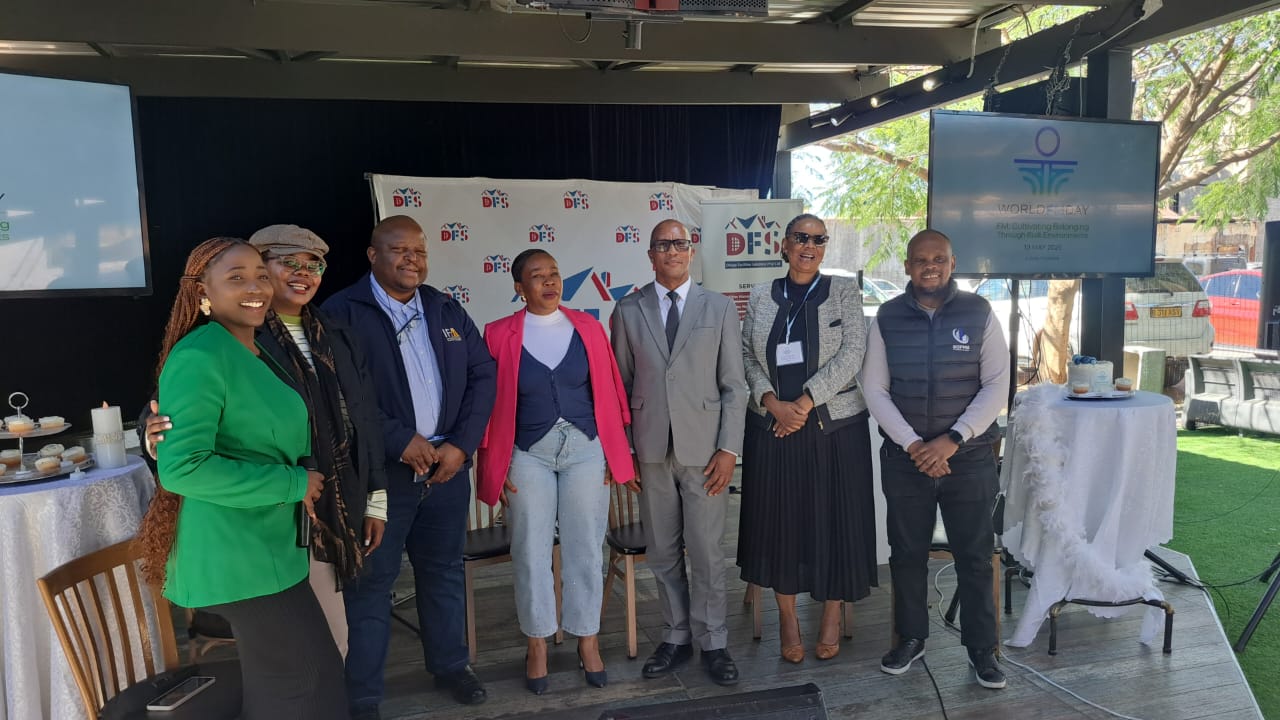 Facilities Management should no longer be treated as an afterthought but as a strategic function that is integrated into infrastructure projects from the design stage to ensure buildings are cost-effective, sustainable and easy to maintain.
This was the key message from University of Botswana (UB) Director Facilities Management, Mr Kennedy John, during a panel discussion held in Gaborone on the 13th of May 2026 as part of the World Facilities Management Day celebrations. The event was organised under the theme “Cultivating Belonging Through the Built Environment.”
Responding to a question on the extent to which facilities managers should be involved in development projects, Mr John said their role was both practical and strategic.
“We should define our role in more practical terms,” he said, adding that “facilities management has a major role to play in the built environment because shelter is one of the most fundamental human needs as illustrated in Maslow’s hierarchy of needs.”
Mr John said facilities managers help create spaces that enable people to live, work and study comfortably and productively. He stressed that their expertise should be brought in at the earliest stages of project planning.
“We should not look at facilities management at the tail end of a project. We need to be involved at the design stage so that we predetermine how facilities will be maintained,” he said. According to Mr John, when maintainability is overlooked during the design phase, institutions often face significant operating expenses later on.
“Costs that are undermined by facilities management eventually turn institutions into big spenders,” he said, highlighting that “our role is, therefore, to find ways to reduce running costs such as water, electricity and maintenance.”
He noted that operational costs accounted for a substantial share of expenditure in most institutions, making cost efficiency a central responsibility for facilities managers.
“The challenge is to ask how we can reduce the water bill, lower maintenance costs and use resources more efficiently,” he observed.
Mr John further observed that higher education institutions operated in a global environment where sustainability and environmental stewardship were increasingly important.
“At the University of Botswana, we are deliberate about becoming a green campus,” he said.
He highlighted several sustainability initiatives undertaken by the University including thermal water heating systems, water-saving technologies and a 1-megawatt solar plant. Mr John said UB’s thermal water heating system had become a benchmark project in southern Africa while the solar plant was helping to reduce the University’s energy costs and carbon footprint. He also emphasised the importance of using data to drive facilities management decisions and to monitor performance.
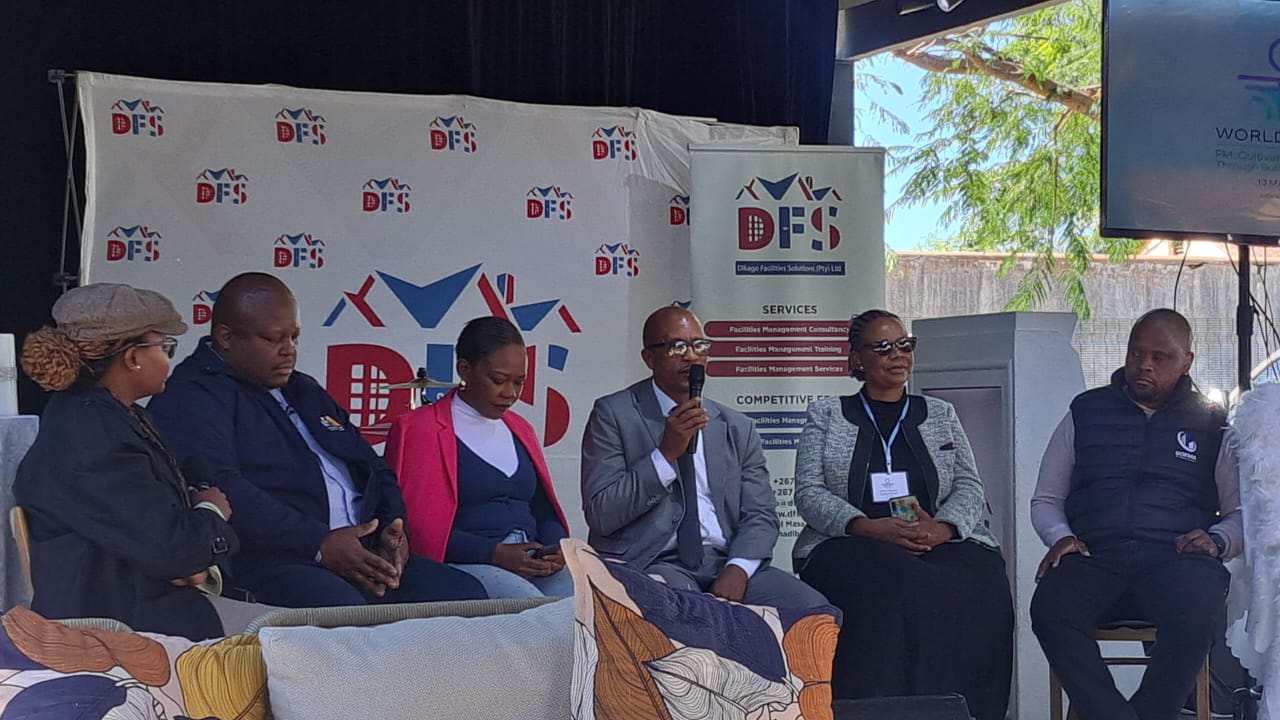 “Facilities management must be data-driven so that institutions can make informed decisions and continuously improve efficiency,” he noted.
Mr John said the University’s progress in sustainable campus development would be showcased when UB hosts the Higher Education Facilities Management Association (HEFMA) Annual Conference in October 2026.
The conference is expected to attract about 400 delegates from across the region and will provide a platform for UB to share its innovations and learn from other institutions committed to excellence in facilities management.