Botswana’s Enduring Prosperity Rooted in Strong Indigenous Institutions – Dr James Robinson
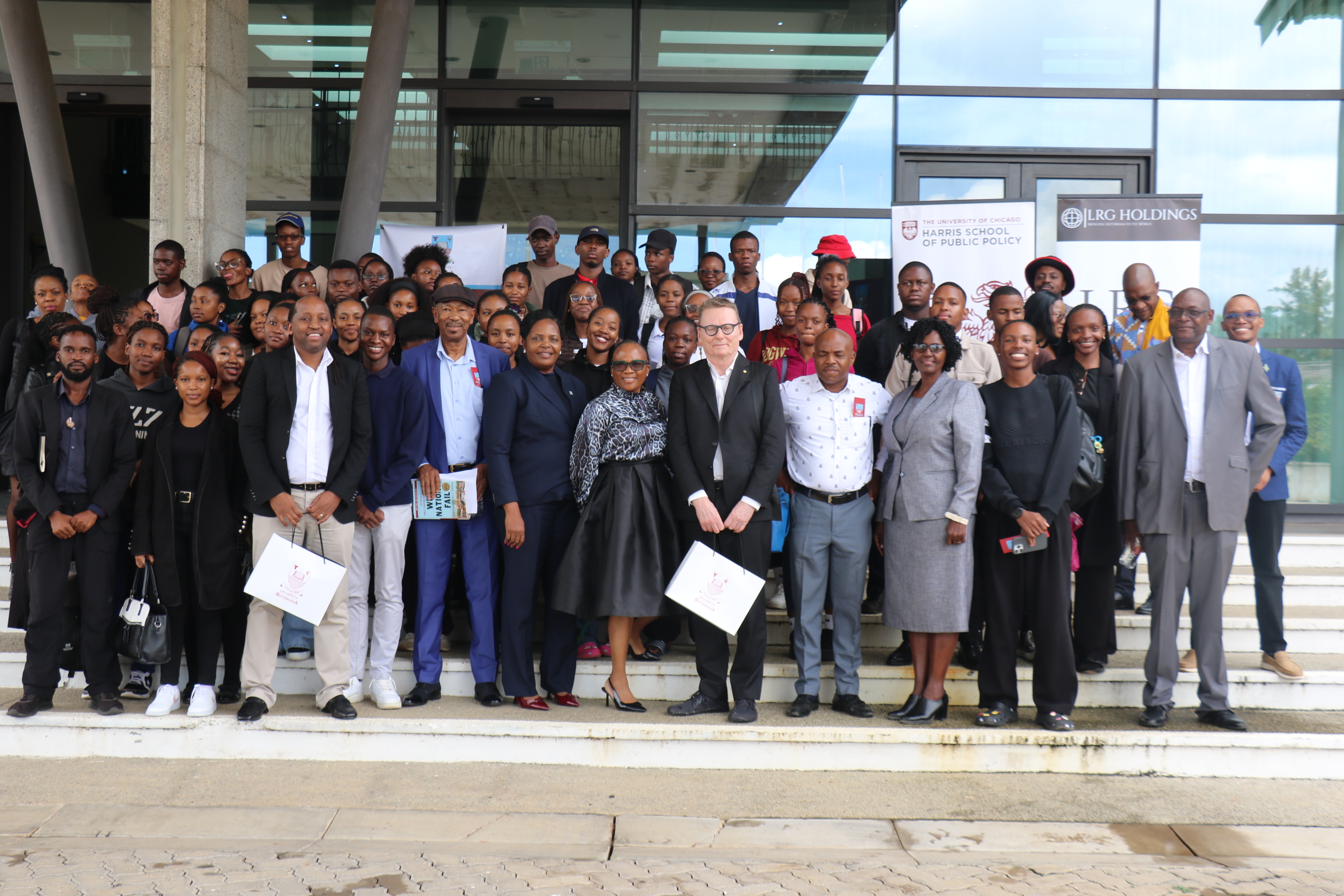
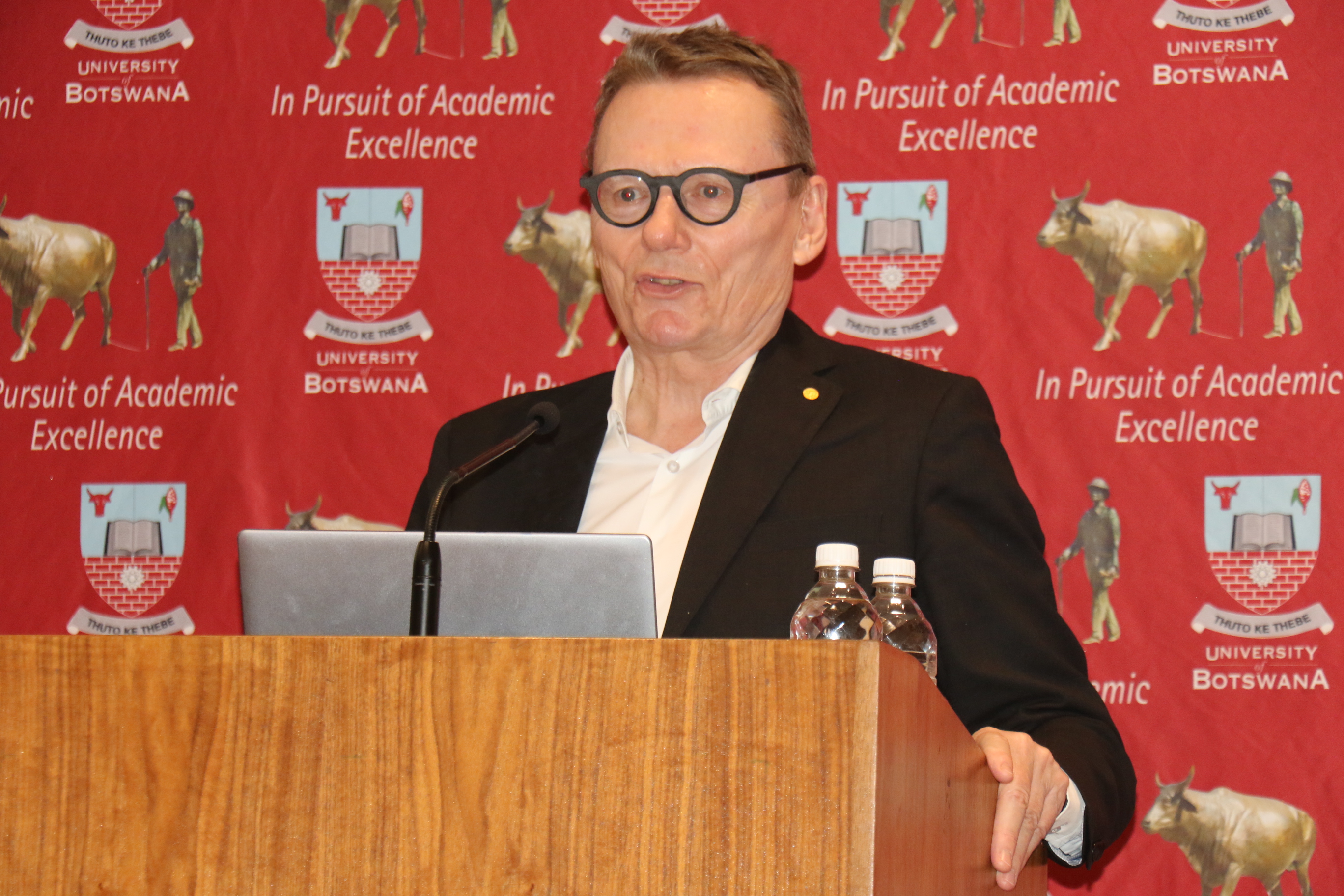 In a public lecture held at the University of Botswana (UB) on the 2nd of March 2026, distinguished economist and political scientist, Dr James Robinson argued that Botswana’s long-standing prosperity and stability could not be attributed to mineral wealth alone but to the strength and continuity of its political institutions.
Dr Robinson observed that although Botswana had often been cited as one of Africa’s most prosperous and stable nations and at one point the world’s fastest-growing economy over three decades, its success story ran deeper than diamonds. Instead, he emphasised that Botswana built modern governance on a solid foundation of indigenous institutional traditions.
According to Dr Robinson, Botswana distinguished itself by grounding state-building in institutions developed by the Tswana people rather than relying solely on externally imposed frameworks. Unlike many African countries that struggled to reconcile pre-colonial political systems with colonial administrative structures, Botswana successfully integrated traditional governance with modern statehood.
He cited the kgotla system as a key example, an institution that cultivated participatory governance, open dialogue and norms of accountability. These principles, he noted, carried forward into the post-independence state and helped shape a political culture rooted in consultation and consensus-building.
Dr Robinson contrasted Botswana’s experience with countries such as Sierra Leone and the Democratic Republic of Congo, where kinship-based political systems and weak institutional development hindered the effective provision of public goods. In such contexts, resource wealth did not translate into broad-based prosperity, often resulting in limited investment in infrastructure, electricity, and human development.
 In Botswana’s case, however, diamond revenues were strategically channelled into education, infrastructure and social development. As a result, the country has consistently performed above both sub-Saharan African and global averages in human capital investment.
Dr Robinson stressed that Botswana’s trajectory demonstrated what strong, locally grounded institutions could achieve. By combining traditional governance practices with modern state structures, the country created an environment in which leadership, accountability and long-term planning could flourish, making Botswana a rare and enduring success story in Africa’s development landscape.